

How to Buy a Foreclosure in South Florida: A Complete Guide
June 9, 2026 · 8 min read · By Onias Derilus, Broker
Foreclosures can offer below-market prices in South Florida, but the three different buying stages all come with their own rules, risks, and opportunities. Here's how each works.
Foreclosure investing is one of the most misunderstood topics in South Florida real estate. The common picture is a simple process of buying cheap properties from desperate banks. The reality is more competitive, more layered, and in some ways more rewarding than that picture suggests. Knowing how to buy a foreclosure starts with understanding which stage of the foreclosure process you are entering, because the rules, risks, and potential returns differ at each phase.
The three stages of foreclosure
Florida is a judicial foreclosure state, meaning foreclosures move through the court system. This creates three distinct buying opportunities:
- Pre-foreclosure (before the auction): buying directly from an owner who has received a Notice of Default but has not yet lost the property at auction
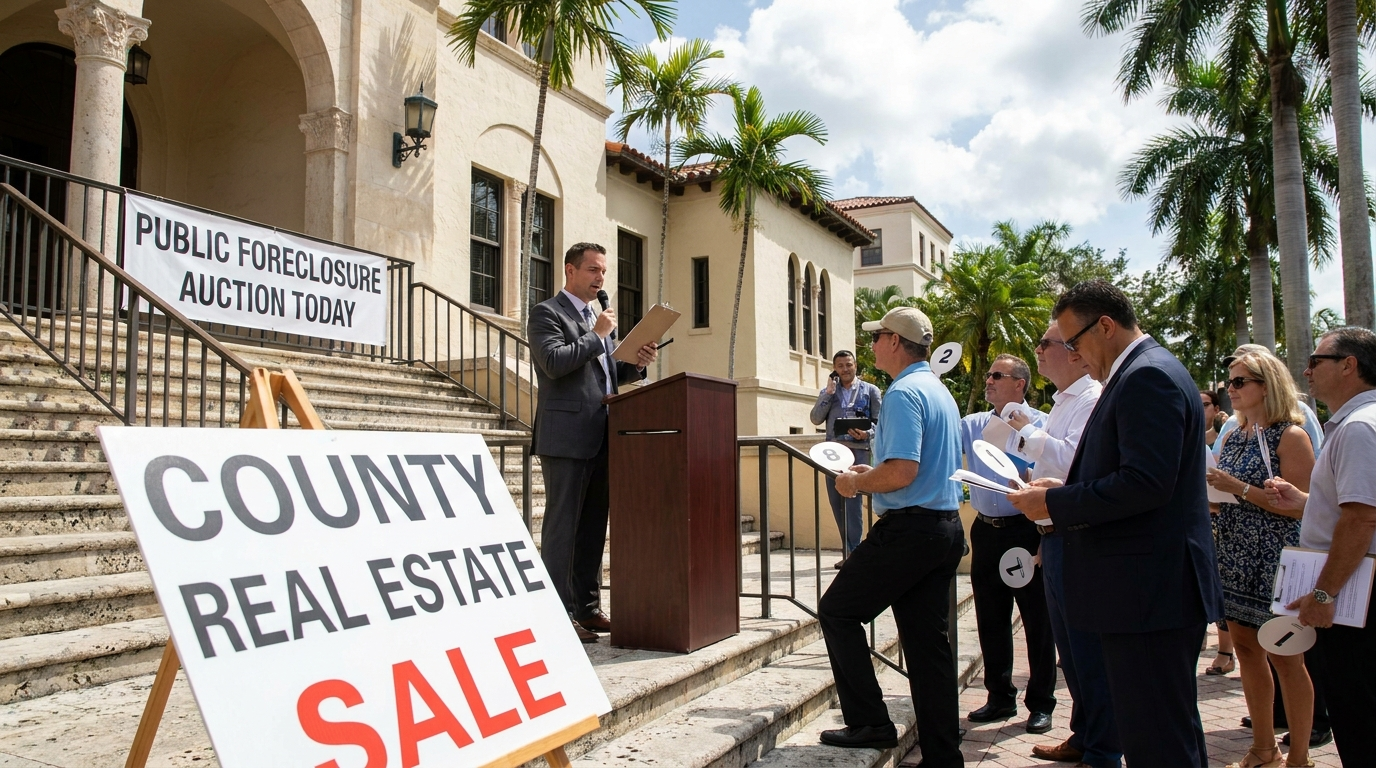
- Foreclosure auction (courthouse steps): bidding at the public trustee sale when the property is sold to satisfy the debt
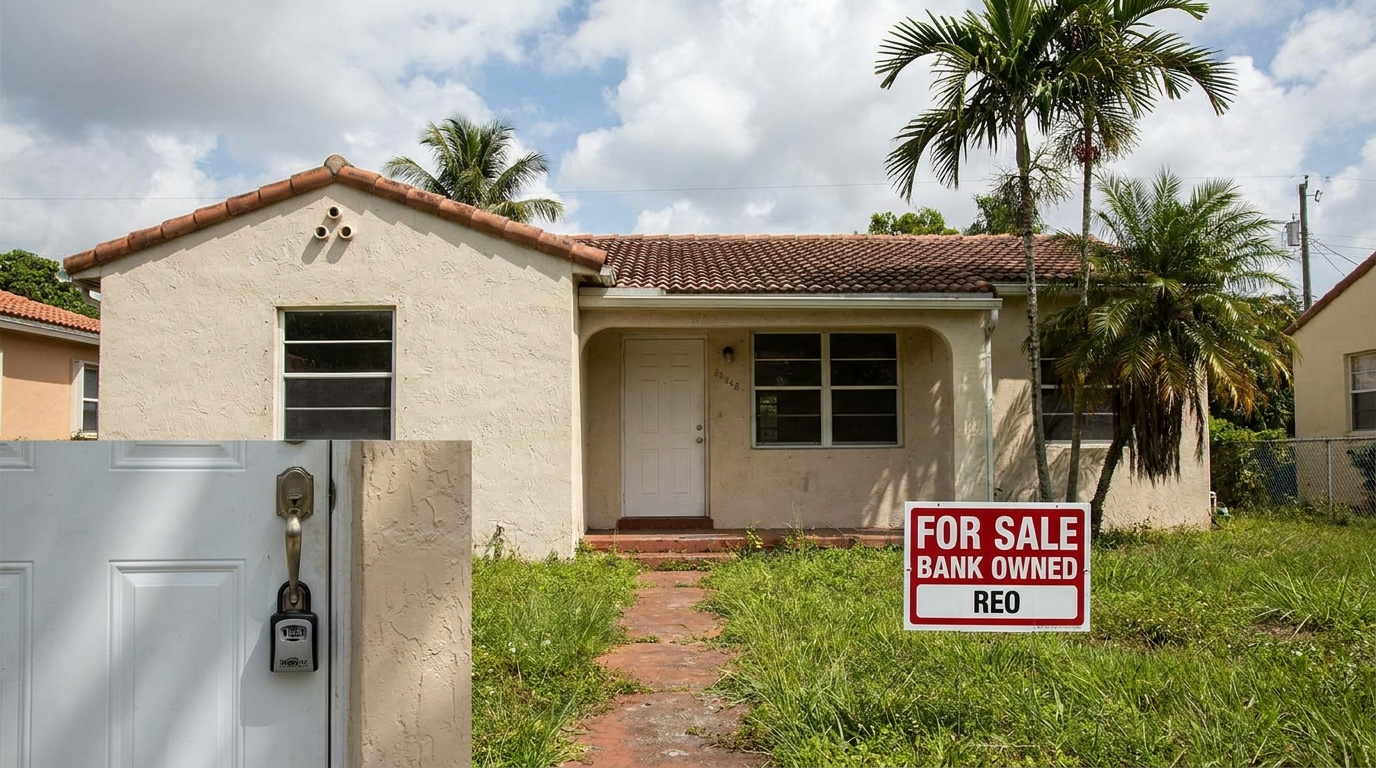
- REO (Real Estate Owned): buying from the bank after it has taken back the property at auction
Pre-foreclosure: the short sale path
When a homeowner falls behind on their mortgage but the property has not yet sold at auction, they are in pre-foreclosure. The most common transaction at this stage is a short sale, where the owner sells for less than the mortgage balance with the lender's approval. Pre-foreclosures can offer the best price opportunities because you are negotiating directly with an owner who is highly motivated to close.
Finding pre-foreclosures means searching Notice of Lis Pendens filings at the county courthouse (public records), using services that aggregate distressed property data, or working with an agent who actively cultivates these leads. In Palm Beach, Broward, and Miami-Dade counties, lis pendens filings are publicly searchable online through each county clerk's website.
Foreclosure auction: high risk, high reward
When a court orders a foreclosure sale, the property goes to auction, typically online in Florida through platforms like Realauction. These auctions have grown increasingly competitive, with institutional investors and cash buyers taking most of the inventory.
Critical risks of foreclosure auctions:
- No inspection access. You are bidding on a property you typically cannot enter beforehand.
- Cash only. Winning bids must typically be paid in full within 24 hours.
- Title issues. You may inherit subordinate liens not cleared by the foreclosure. A first-mortgage foreclosure typically wipes out second mortgages and most other liens, but a title search is still essential before you bid.
- Occupancy. The property may be occupied, which means eviction proceedings after purchase.
Despite those risks, courthouse auction purchases can generate significant returns for well-capitalized investors who do their due diligence. The opportunity is real. The preparation required is equally real.
REO properties: the most accessible option
When a property does not sell at auction (which happens often when the opening bid exceeds market value), the lender takes title and it becomes REO, or bank-owned real estate. The lender then lists the property for sale through a real estate agent or auction platform.
REO is the most accessible foreclosure buying path for typical buyers:
- You can inspect the property before purchasing
- Standard financing (conventional, FHA, VA) is usually acceptable
- Title is typically cleared before the sale closes
- You have a normal negotiation process with the bank's asset manager
REO properties are listed on the MLS alongside standard listings, sometimes at significant discounts depending on condition and time on market. HUD homes (FHA-foreclosed properties) are a specific type of REO sold through HUDHomeStore.gov, covered in detail in our HUD home buying guide.
Getting started with foreclosure investing in South Florida
For most buyers, the practical starting point is REO and HUD properties. They offer genuine below-market potential without the cash-only, no-inspection constraints of courthouse auctions. As you build experience and capital, pre-foreclosure short sales and eventually auction purchases become more realistic strategies.
Our team works with foreclosure buyers across all three stages in Palm Beach, Broward, Miami-Dade, St. Lucie, Martin, and Highlands counties. Contact us to discuss your investment strategy, or browse our current listing inventory which includes distressed property opportunities.
Ready to buy a foreclosure in South Florida? Pure Equity works with buyers at every stage of the foreclosure process, from short sales to REO to courthouse auctions. Contact our team or search available listings to get started.
Frequently asked questions
Can I get a mortgage to buy a foreclosure?
For REO properties, yes. Most lenders will finance bank-owned properties the same way they finance standard purchases, including FHA and VA loans if the property meets condition requirements. Courthouse auction purchases require cash since there is no time for financing contingencies.
Are foreclosures always cheaper than regular homes?
Not always. Foreclosures can be priced at or near market value, especially in competitive markets where banks know what properties are worth. The discount depends on condition, how long the property has been on the bank's books, and local inventory levels.
What is the biggest risk when buying a foreclosure?
Condition is the biggest risk most buyers underestimate. Foreclosed properties are often vacant for extended periods, which means deferred maintenance, possible vandalism, or stripped fixtures. At auction, you cannot inspect first. For REO purchases, always get a full inspection before waiving contingencies.
How do I find foreclosures in Palm Beach or Broward County?
REO listings appear on the MLS and are visible on most listing search sites. HUD homes are listed at HUDHomeStore.gov. For pre-foreclosures, search lis pendens records through the county clerk's website or work with an agent who tracks distressed inventory. Auction properties are listed on Realauction.com ahead of the sale date.
Three different purchases share one word
Most confusion here comes from treating foreclosure as a single thing. It describes three transactions with different risks, different financing and different buyers, and choosing between them is the actual decision.
Buying in pre foreclosure means buying from the owner before the process completes, usually as a short sale where the lender must approve a price below the balance owed. You can inspect, you can finance conventionally, and you wait, because lender approval is slow and uncertain.
Buying at the foreclosure sale means bidding at the clerk's auction. Fast, cheap, and you generally cannot inspect, cannot finance in the ordinary way, and may inherit an occupant.
Buying an REO means purchasing after the lender has taken title and listed it. Slowest to appear and by far the most accessible: you can inspect, finance and close conventionally, with title insurance.
Florida is judicial, and that changes the timeline
Foreclosures here go through the courts rather than being handled outside them, which has practical consequences for a buyer at every stage.
The process is a lawsuit, so it is slower than in states where a trustee can sell without court involvement, and it is a matter of public record throughout. That visibility is why pre foreclosure lists exist and why owners in that position receive so much unsolicited contact.
The sale itself is conducted by the clerk of court, and several Florida counties run these entirely online with their own registration and deposit requirements. Check the specific county's rules well before a sale date, because registration closes in advance.
The redemption point matters if you are bidding
A borrower in Florida retains the right to redeem the property by paying what is owed, and that right ends at a defined point in the process rather than continuing indefinitely.
The practical effect for a bidder is the same as at a tax deed sale: properties get redeemed and cancelled, sometimes very late, so research a much wider list than you intend to buy from and check the cancellation list before travelling. The exact cut off is statutory, so confirm it with the clerk rather than assuming.
What survives, and what you are actually buying
This is where auction buyers lose money, and it is not intuitive.
A foreclosure sale extinguishes interests junior to the one being foreclosed, and does not necessarily clear senior liens. So if a junior lienholder forecloses, a senior mortgage can survive and you have bought a property subject to it. Certain governmental claims and association obligations may also persist.
Establish which lien is being foreclosed before you bid. That single question separates a bargain from a catastrophe, and it is answerable from the public record. This is also why title insurance is difficult on an auction purchase and straightforward on an REO.
Which route suits which buyer
For anyone who needs financing, wants an inspection or is buying a home to live in, the REO route is the sensible one. The discount is smaller and the transaction is a normal purchase with title insurance and a conventional closing.
Short sales suit patient buyers who can wait months for lender approval without a firm date, and who are not coordinating a sale of their own.
The auction suits experienced cash buyers who can research title, absorb being wrong, and handle occupants and unknown condition. It is a poor first purchase, and treating it as the obvious way to get a bargain is how people acquire someone else's problem.
More common questions
Are foreclosures always cheaper?
No. REO sellers price against comparable sales, and the discount usually reflects condition and as is terms rather than a seller who does not know the value.
Can I finance a foreclosure?
An REO generally yes, subject to condition. At the clerk's auction, generally no, since payment is due almost immediately.
What is the single biggest risk?
Bidding at auction without establishing which lien is being foreclosed and what survives it.


