Loading…
Loading…
South Florida
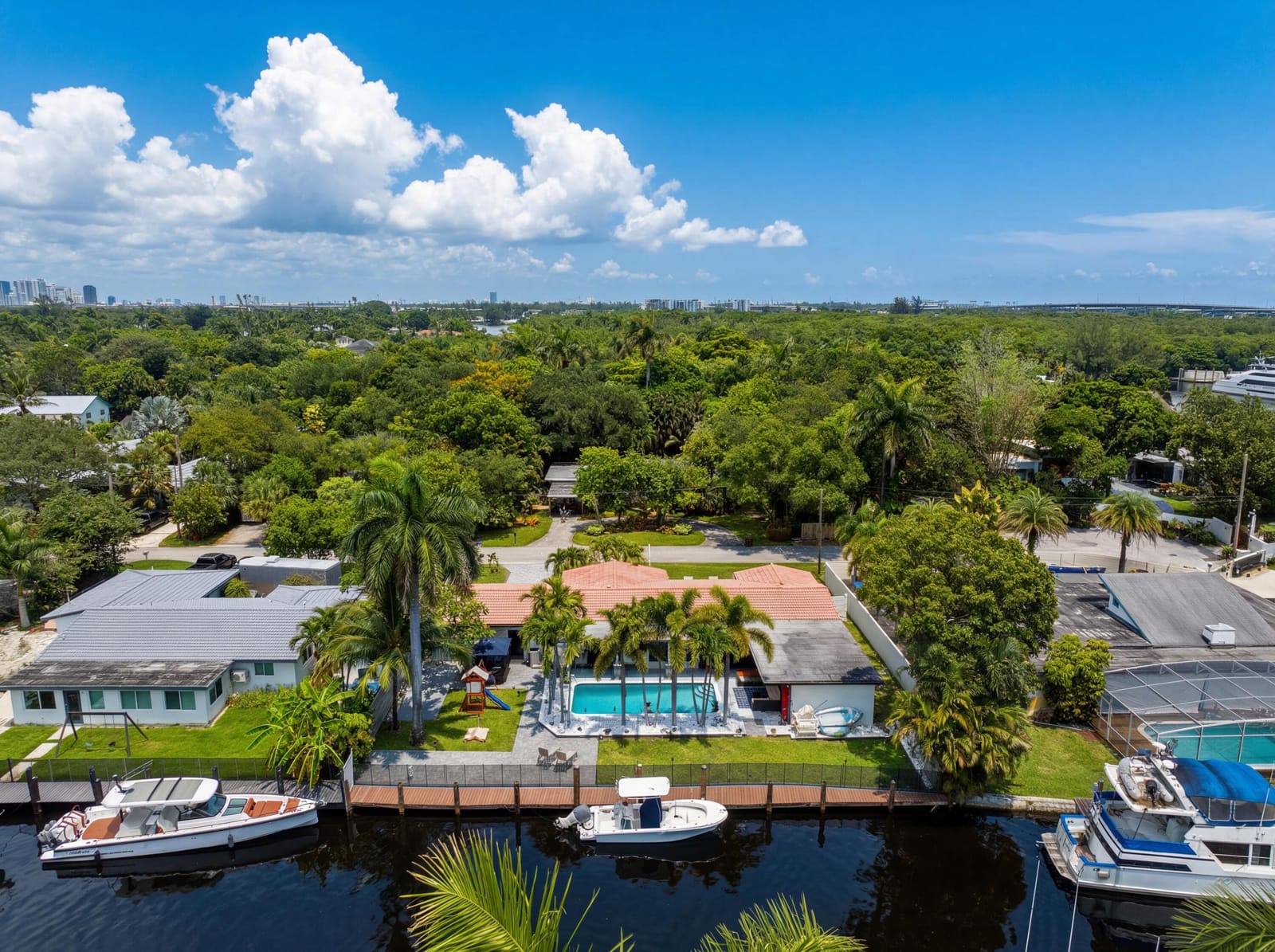
Intracoastal, ocean-access, canal, river, and lakefront homes — many with private docks and no fixed bridges.
Get Listings Alerts
Be the first to know when a new waterfront listing hits the market in South Florida.
Browse
Tell us what you're looking for and we'll send matches as they hit the market.
Explore by County
Waterfront in South Florida
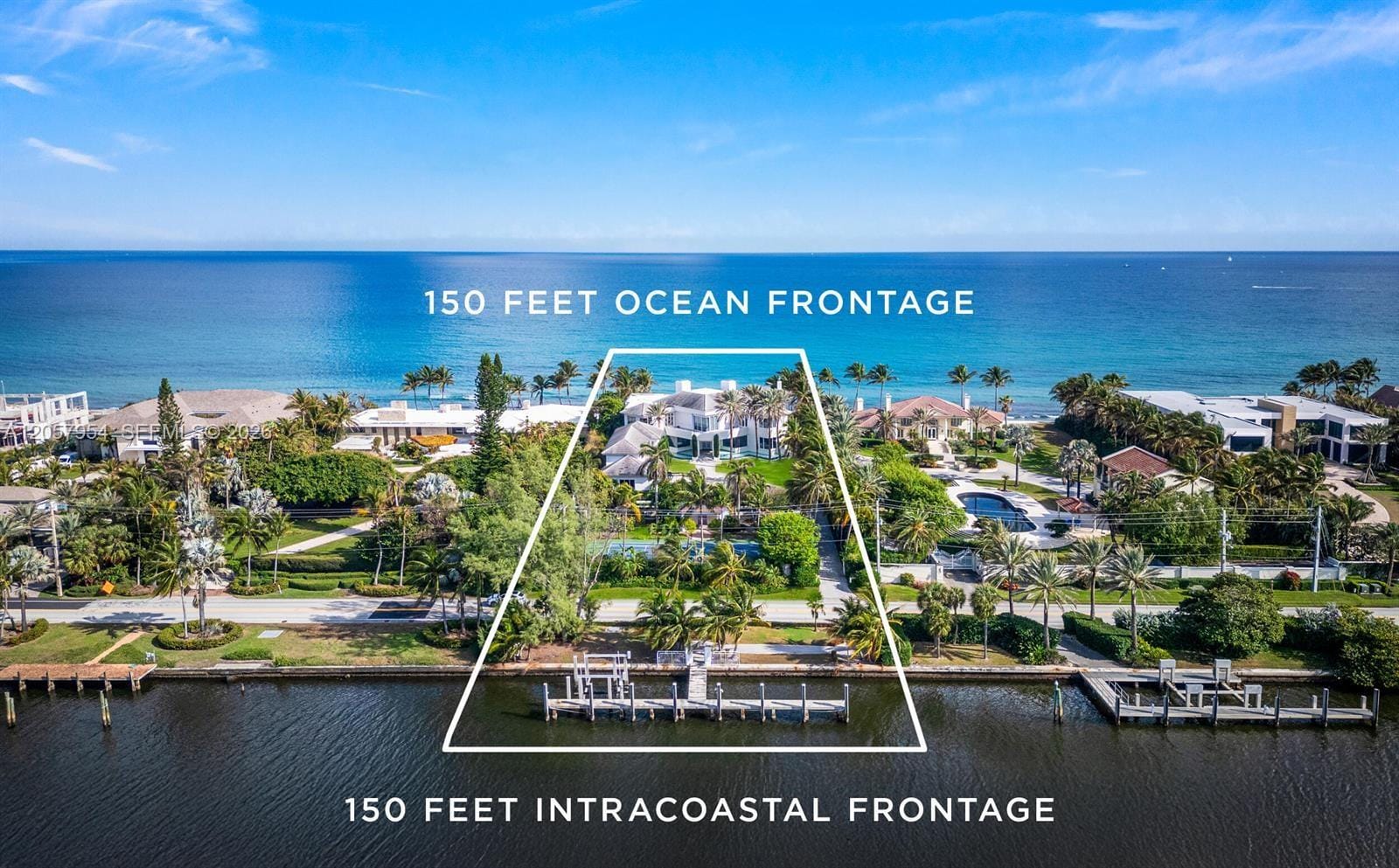
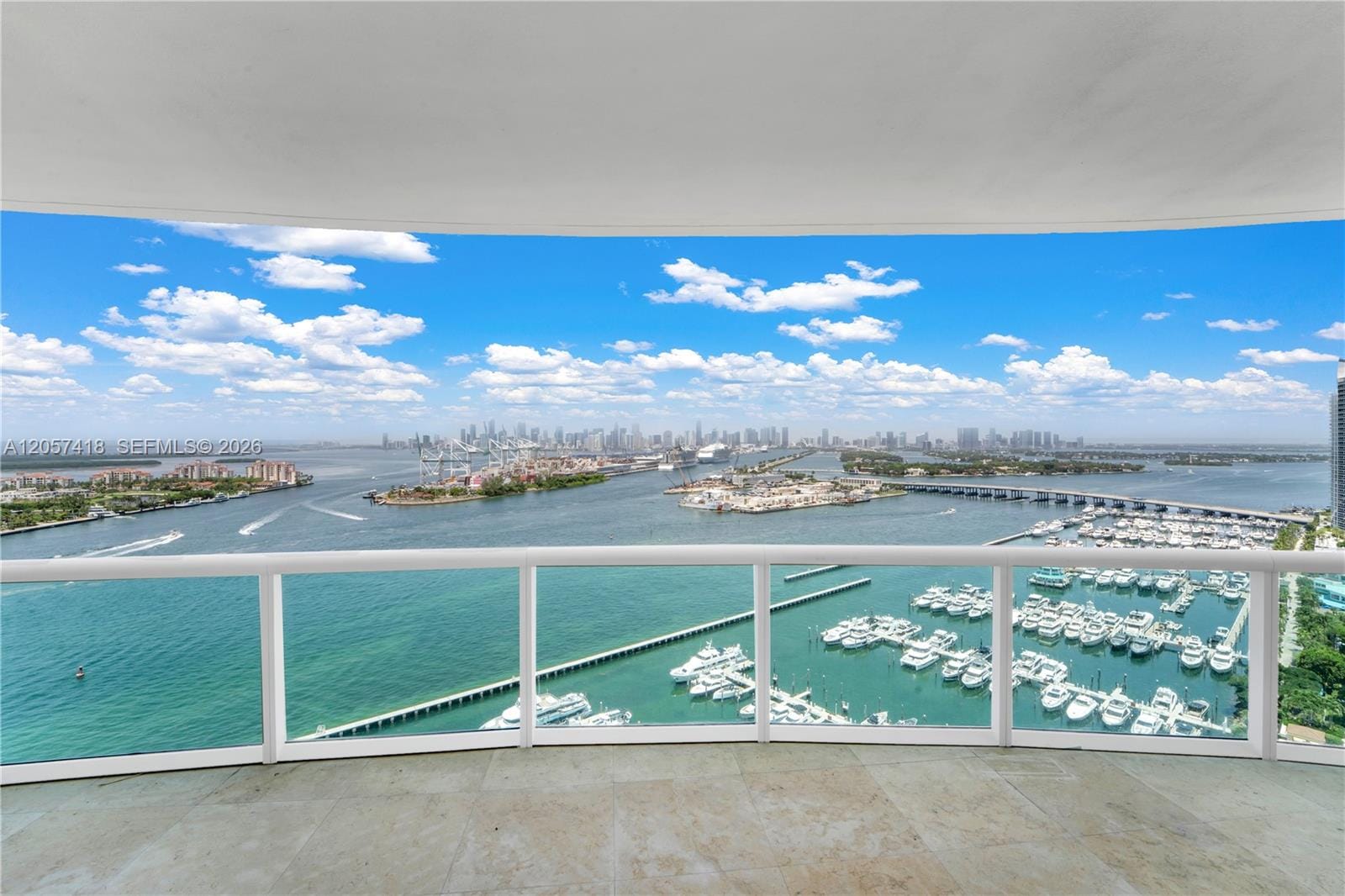
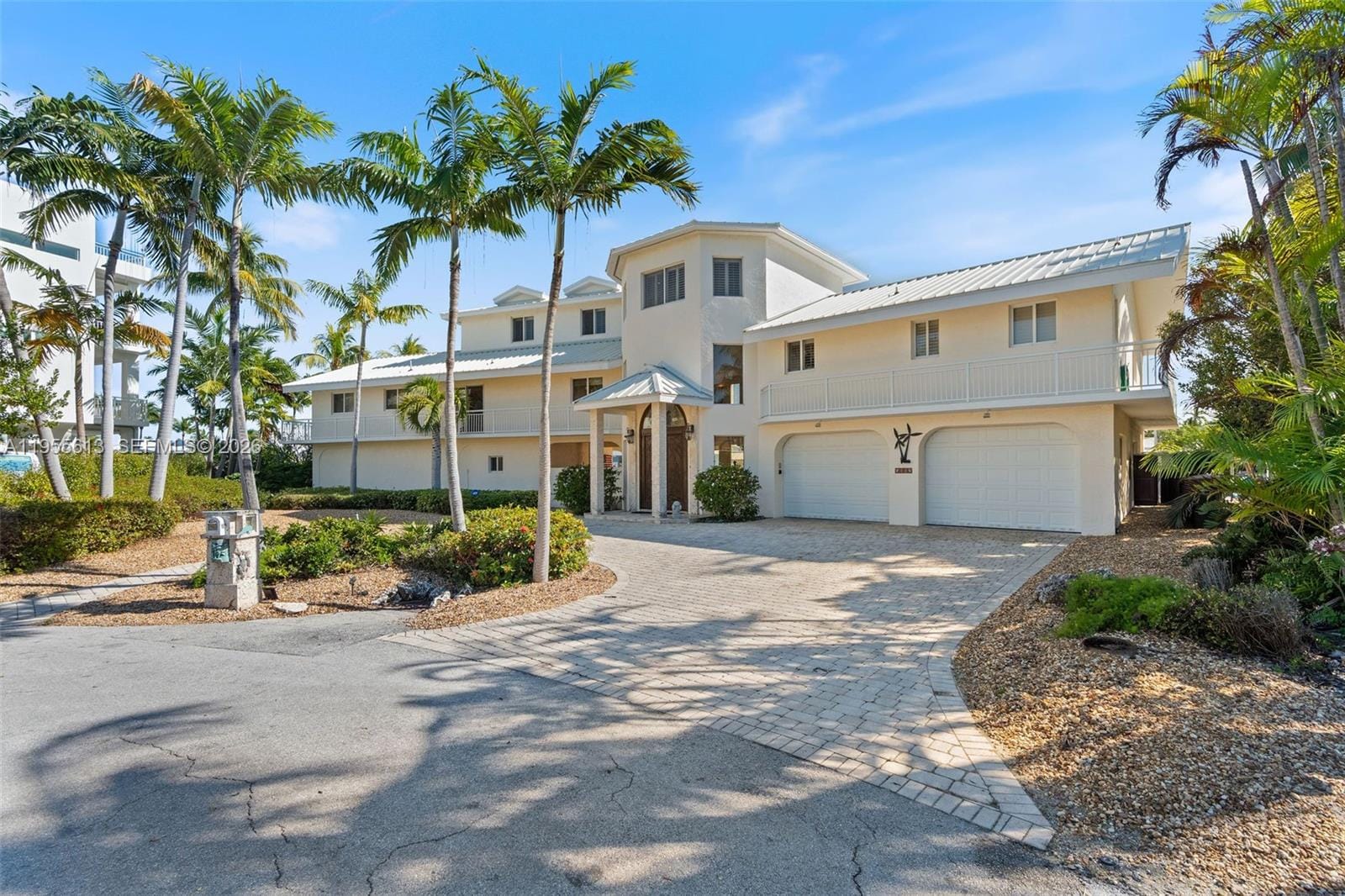
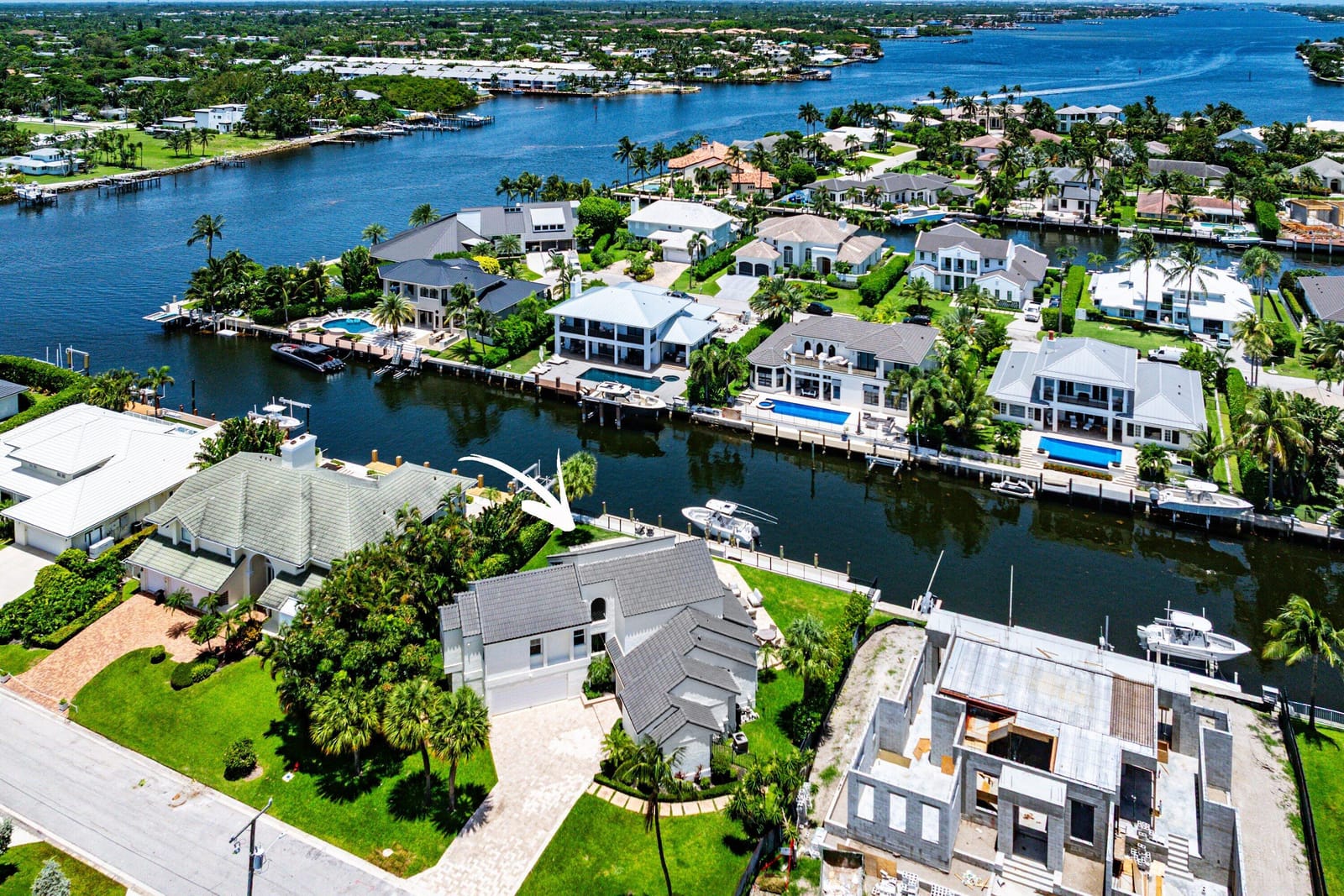
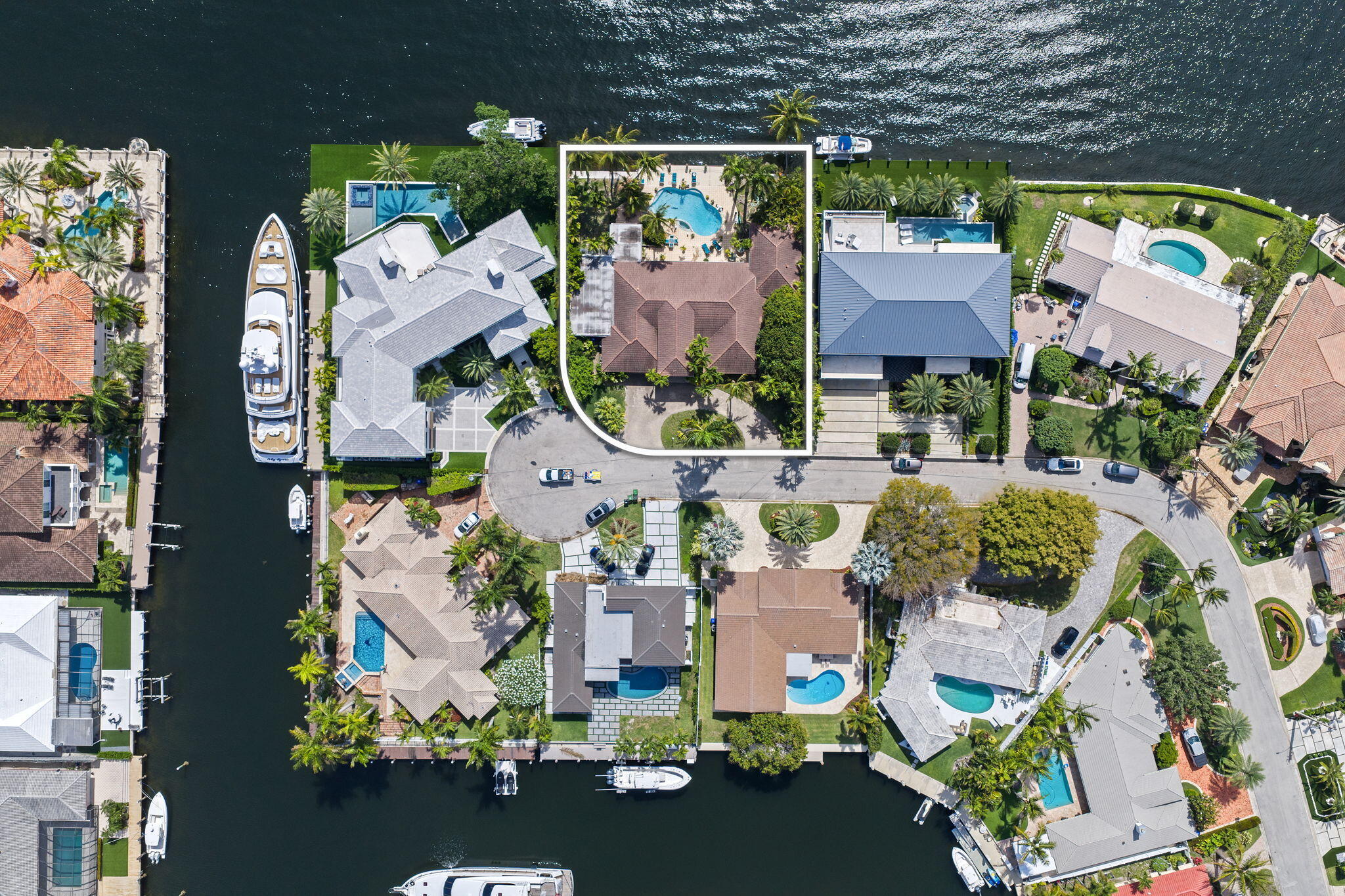
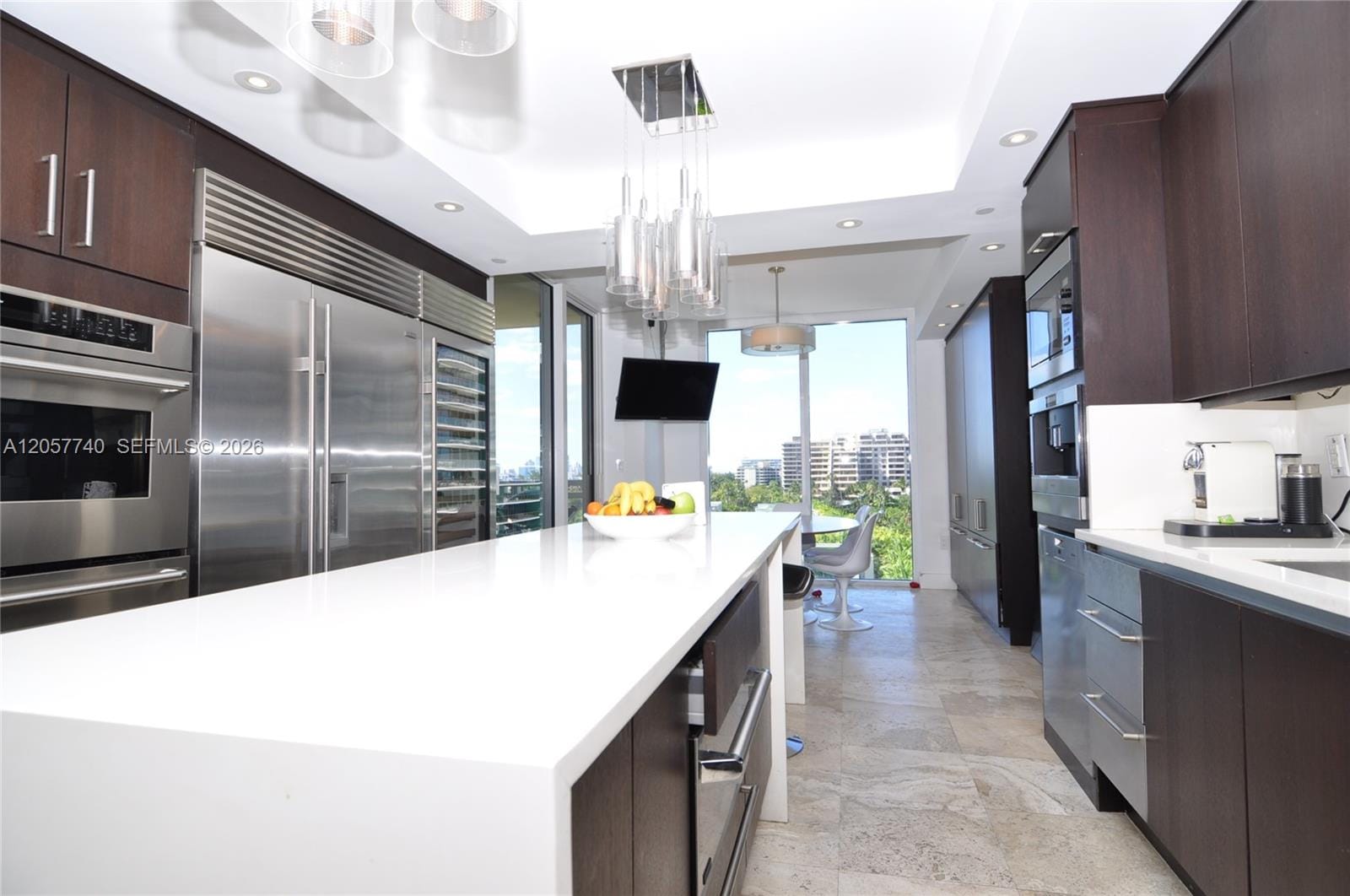
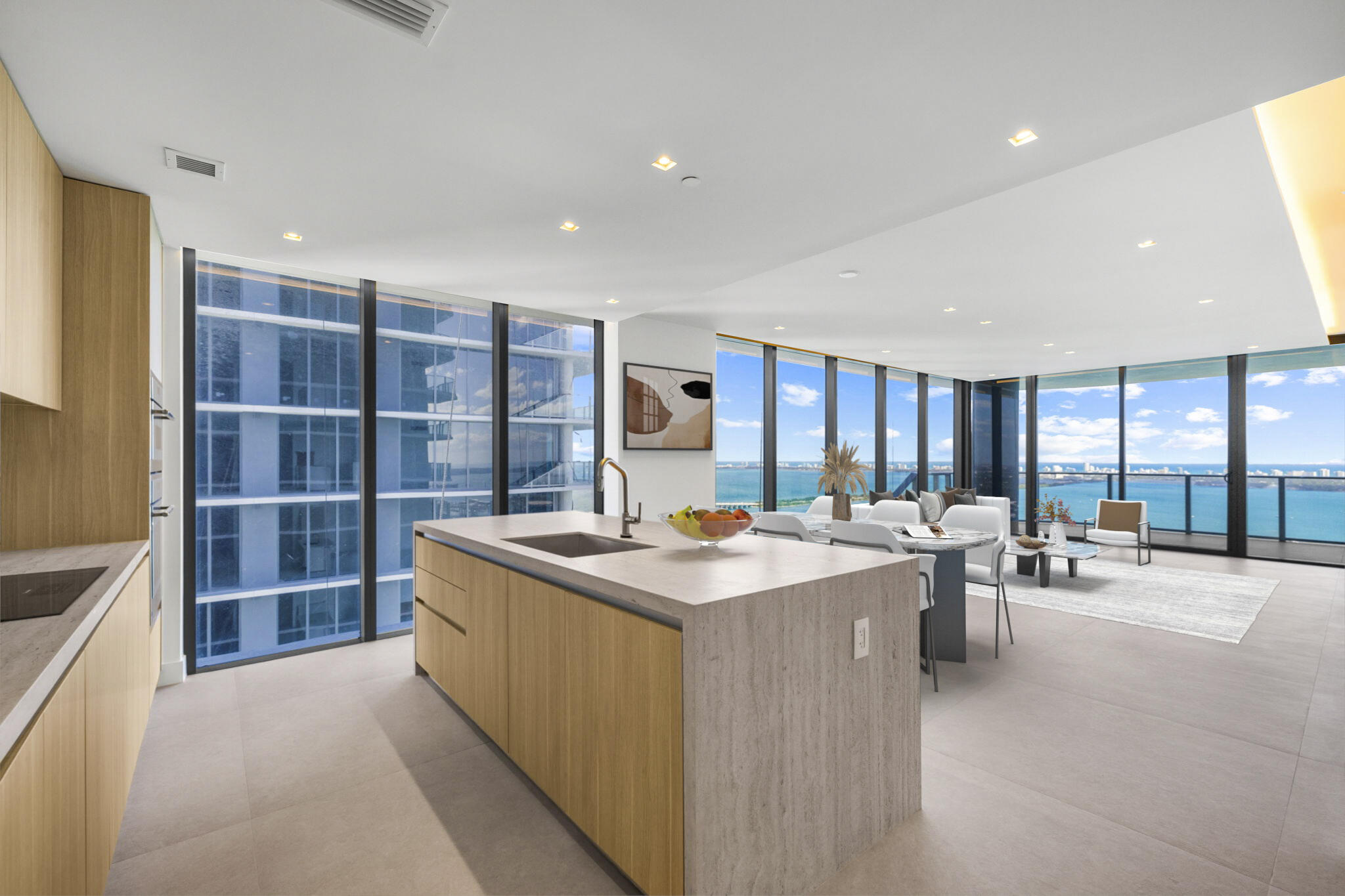
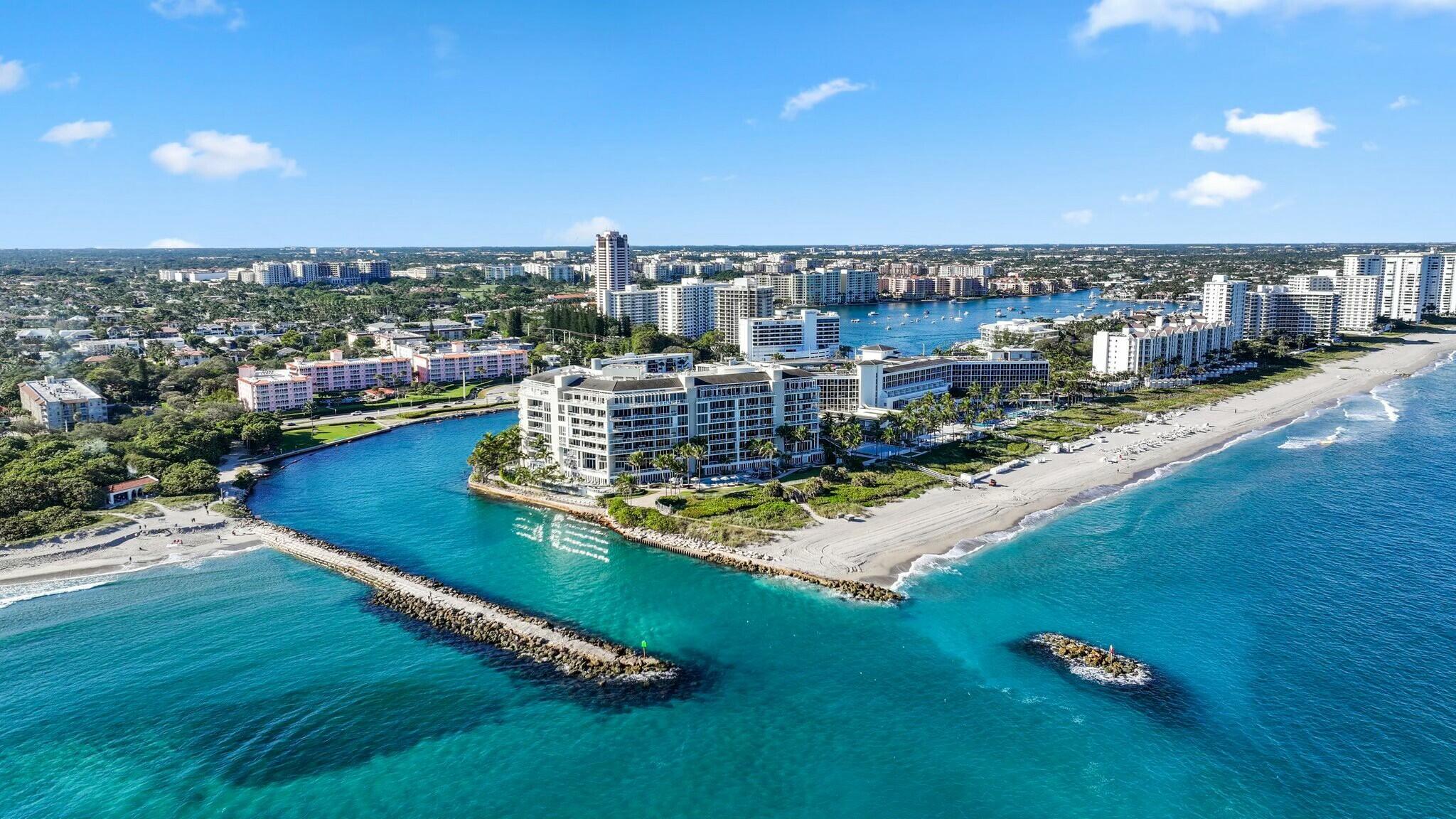
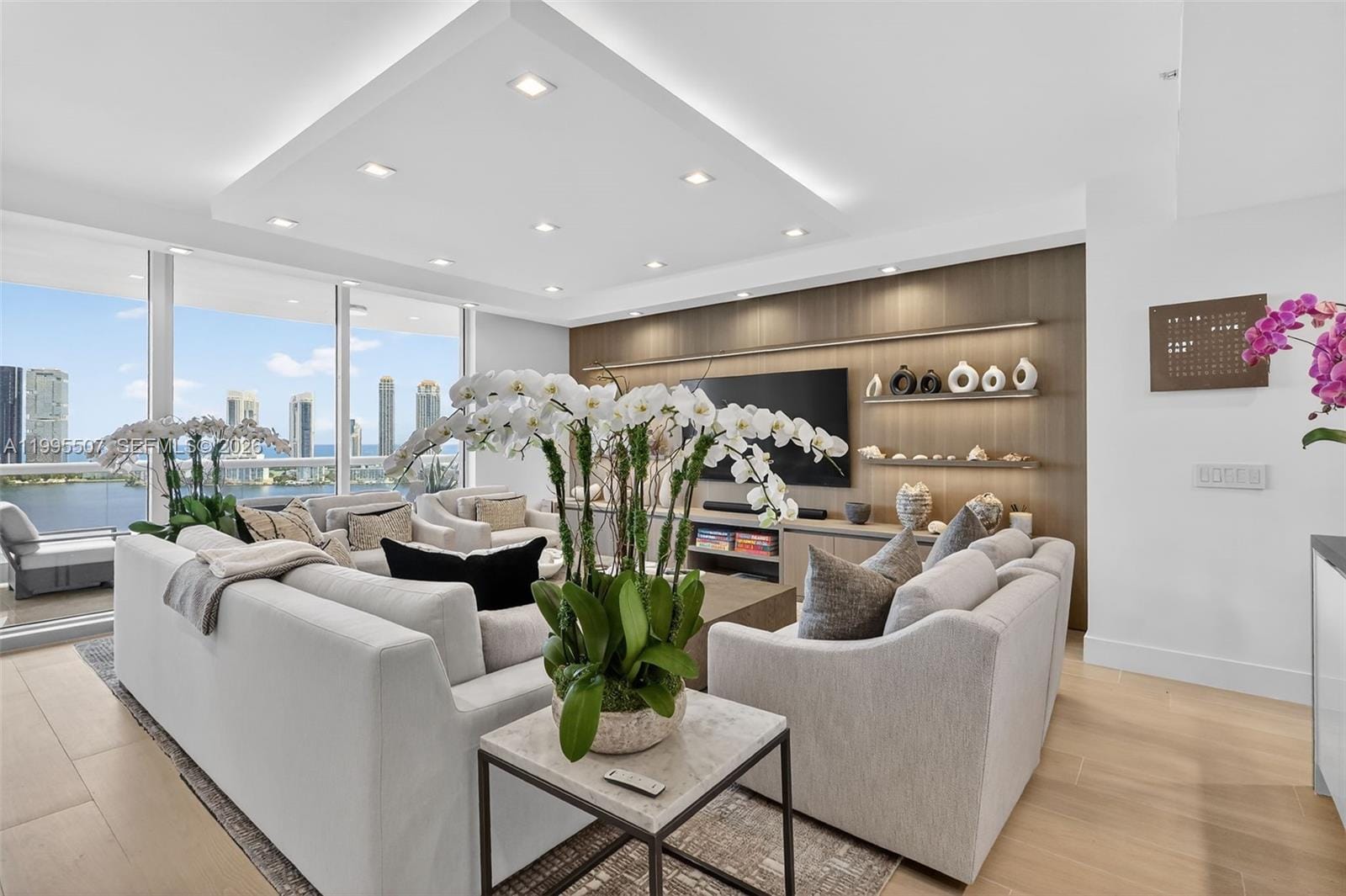
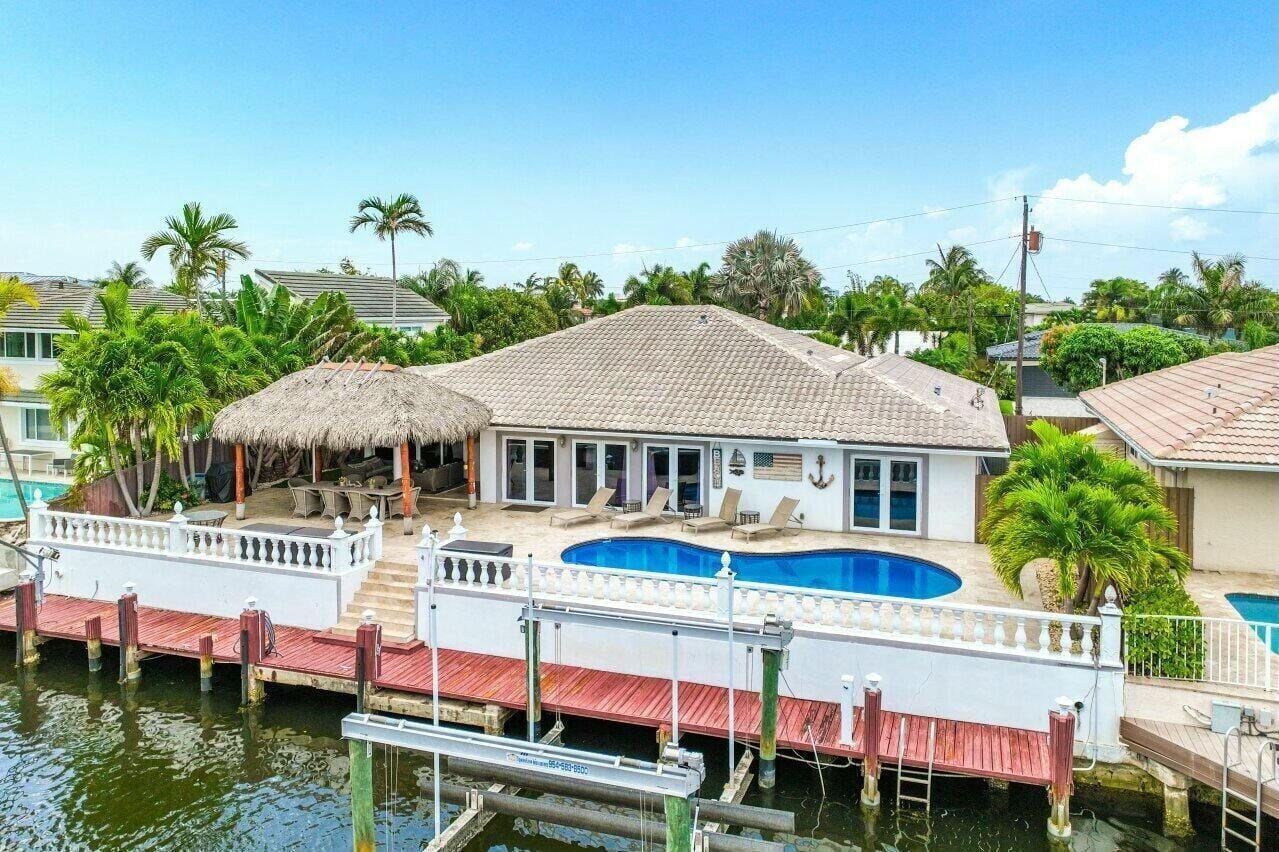
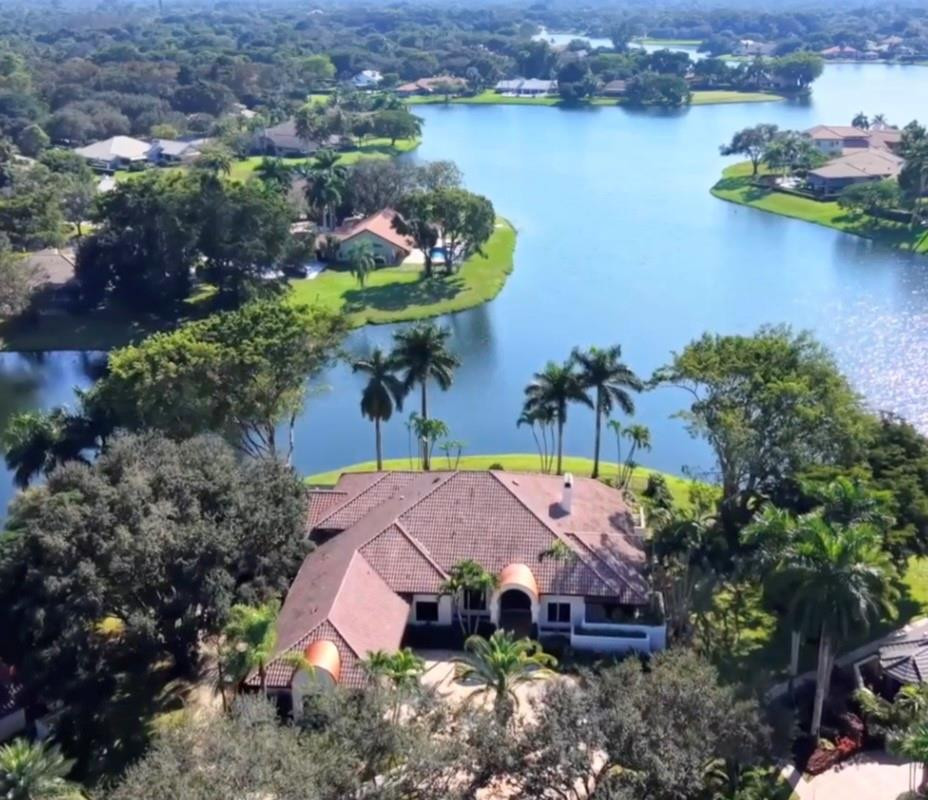
Waterfront in South Florida means far more than the ocean. It covers homes on the Intracoastal Waterway, deepwater ocean-access lots, finger canals, the rivers and the St. Lucie system on the Treasure Coast, and lakefront properties inland. Each type draws a different buyer. Boaters chase ocean access with no fixed bridges; anglers and cruisers want canal or river frontage with a dock and lift; and many buyers simply want the water view and breeze without the surf and salt of a direct oceanfront home. The first question on any waterfront search is what the water actually gives you, because a lakefront lot, a no-wake canal, and a deepwater ocean-access point are very different properties that can look similar in photos. Get specific about how you intend to use the water before you start comparing prices.
If you own a boat, the bridges between your dock and open water decide what you can keep there. Fixed bridges have a set vertical clearance, so a sailboat or a tall sportfisher may be limited to certain canals or require a longer run to an inlet through one or more bridges. Ask for the controlling bridge height, the water depth at the dock at low tide, and the distance to the nearest inlet, because a beautiful canal home that cannot float your boat at low water, or fit it under the nearest span, is the wrong house. Ocean-access listings should spell out whether the route to the inlet is truly bridge-free and how long the run is. These details drive both your enjoyment and the resale value, since the next boat owner will ask the same questions you should be asking now.
Docks, lifts, and seawalls are the infrastructure of waterfront ownership, and they carry real cost and permitting weight. Building or rebuilding a dock or installing a boat lift requires permits, often from the county and sometimes from state or federal agencies depending on the waterway, and existing structures should have been permitted when built rather than added without approval. The seawall is the most important single component on a canal or Intracoastal lot: confirm its age, material, cap condition, and any signs of failure such as cracking, leaning, or soil washing out behind it. Seawall replacement is one of the largest expenses a waterfront owner can face, easily reaching into the tens of thousands. Inspecting these structures with someone who knows what failure looks like can save you from inheriting a major bill right after closing.
Questions
It means you can reach the ocean from your dock by boat, but the quality of that access varies. The key factors are whether the route has fixed bridges, the controlling bridge clearance, the water depth at low tide, and the distance to the nearest inlet. True deepwater, bridge-free access commands a premium because it fits the widest range of boats.
Find the controlling, or lowest, fixed bridge between the dock and open water and compare its vertical clearance to your boat's height above the waterline. Also check water depth at low tide along the route. Your agent can identify the controlling bridge for a given canal or Intracoastal location so you confirm fit before buying.
Yes. Docks, lifts, and seawalls require permits, typically from the county and sometimes state or federal agencies depending on the waterway and scope. Existing structures should have been permitted when built. Ask for permit records during due diligence, since unpermitted work can become your problem and your expense after closing.
It is one of the most important items. A failing seawall can cost tens of thousands or more to replace and can lead to erosion and damage if ignored. Inspect its age, material, and cap, and look for leaning, cracking, or soil loss behind it. Make seawall condition a specific part of your inspection, not an assumption.
If you have a federally backed mortgage and the home is in a high-risk flood zone, lenders require it, and most waterfront homes are in such zones. Even when not required, it is strongly advised. Get an elevation certificate and a flood quote early, because premiums vary widely with elevation, construction, and the specific flood zone.
Related Reading
Keep Exploring
Miami
Flood insurance is part of the package on almost any waterfront home. Most sit in flood zones, and your premium depends on elevation, construction, and the specific zone, so request an elevation certificate early and get a real flood quote before you are committed. Windstorm coverage applies as it does to all coastal Florida homes, driven by roof age and impact-window protection. Salt and brackish water are also hard on everything from boat lifts to outdoor kitchens to AC condensers to metal fixtures, so budget for higher maintenance on a waterfront home than on a comparable inland one. None of this should scare you off, but it should be in your numbers from the start, because the carrying cost of a waterfront home is a step above an equivalent dry-lot house and surprises here tend to be expensive.
Water quality and use rules vary by location and are worth checking. Canal and river systems can be affected by seasonal water management releases and algae conditions in some years, particularly along the St. Lucie and parts of the Treasure Coast, so ask locals and look at the water across more than one season rather than one good day. If the home is in a community or HOA, there may be rules on dock size, liveaboards, vessel length, or where you can store a boat trailer. Manatee protection zones and slow-speed areas affect how and when you run your boat, especially near inlets and in winter. None of these are surprises if you ask up front, and a seller or neighbor who boats the same water can usually tell you exactly what to expect.
Pure Equity Realty helps waterfront buyers match the property to the boat and the lifestyle, not just the view. We confirm bridge clearances and ocean access, check dock and lift permitting, and make seawall condition a central inspection item rather than an afterthought. We line up elevation certificates and flood quotes so the carrying cost is clear before you are under contract, and we know the canal systems, depths, and neighborhoods across Palm Beach, Broward, Miami-Dade, and the Treasure Coast. When the water is the reason you are buying, the details behind it are exactly where we focus, so the home still fits a year and a hurricane season later.
They can be, depending on location and year. Parts of the Treasure Coast and the St. Lucie system have seen seasonal algae and water-release impacts, while many canals and the Intracoastal stay clear. Look at the waterway across more than one season, talk to neighbors, and weigh local conditions when comparing waterfront areas.