
South Florida
Homes for Sale Under $300,000 in South Florida
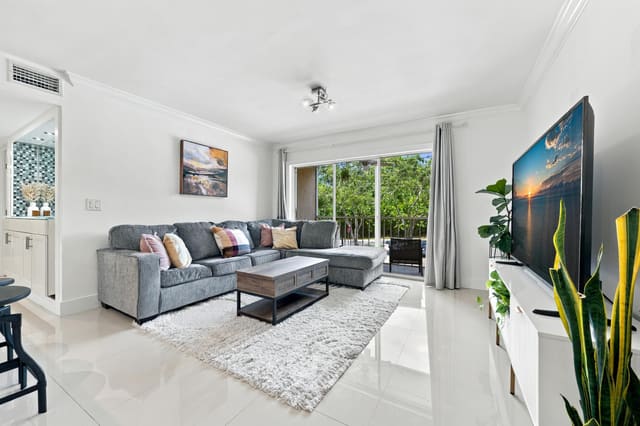
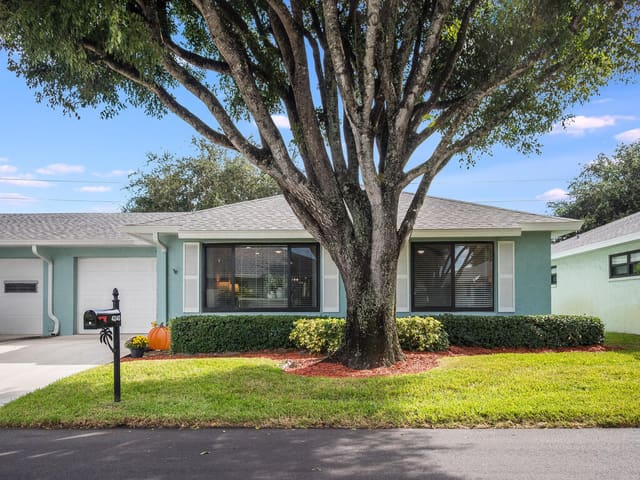
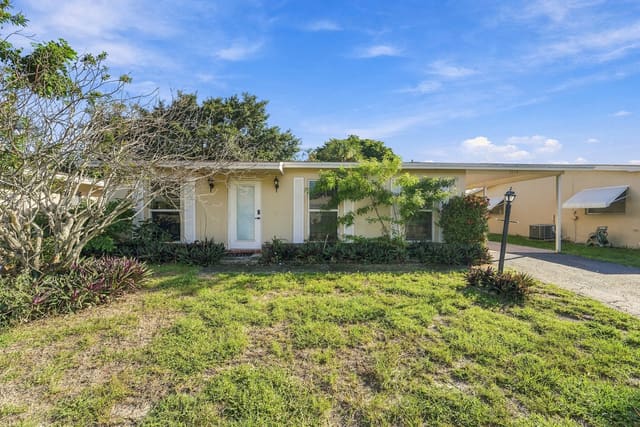
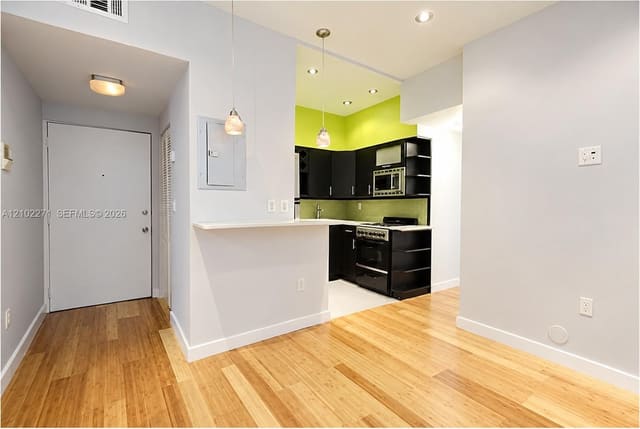
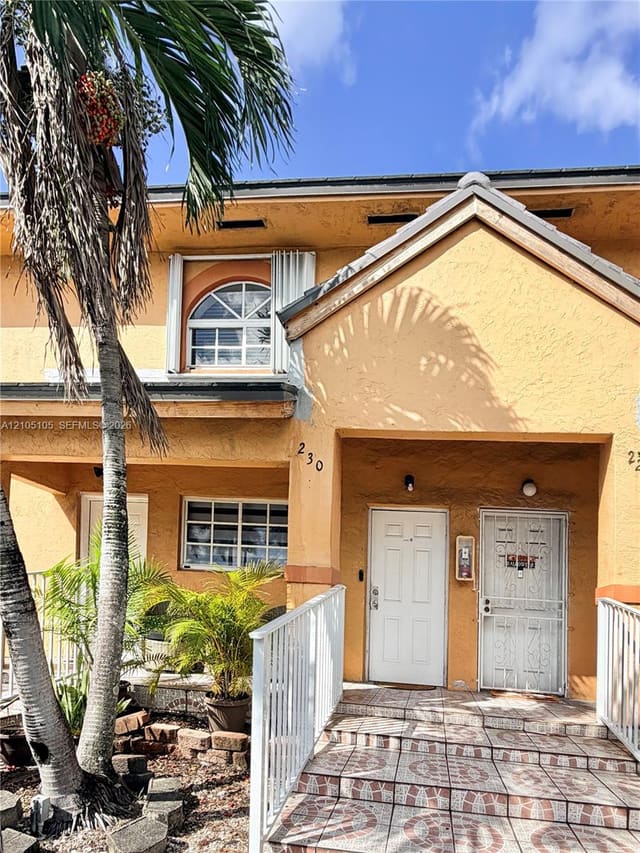
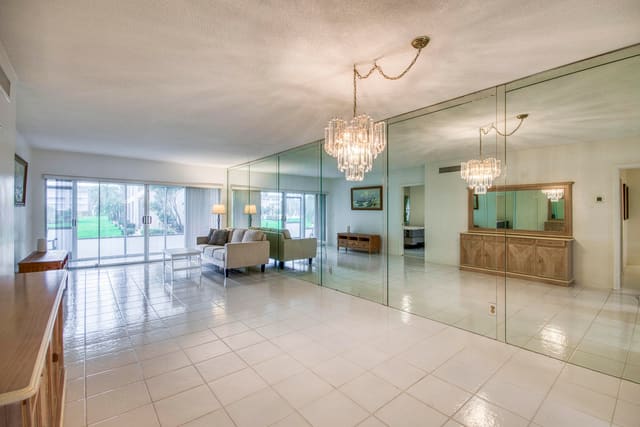
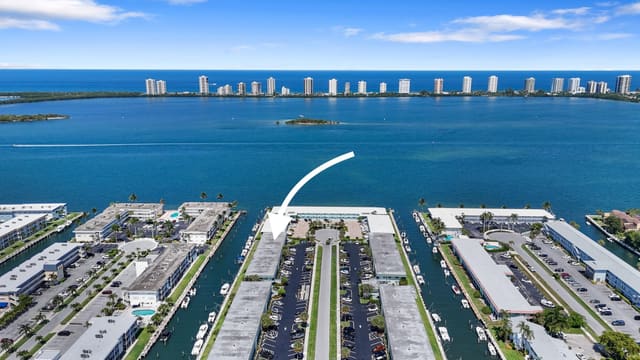
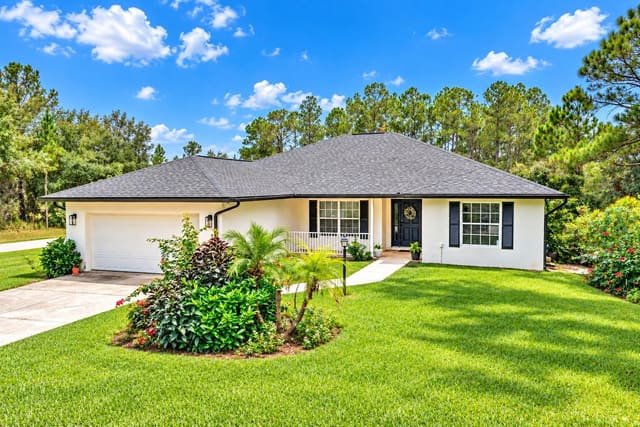
Single-family homes, townhomes, and condos under $300,000 across South Florida, near the regional median and the level where a detached house with a yard becomes realistic in more of the region.
Get Listings Alerts
Be the first to know when a new homes under $300k listing hits the market in South Florida.
Browse
Homes Under $300K in South Florida

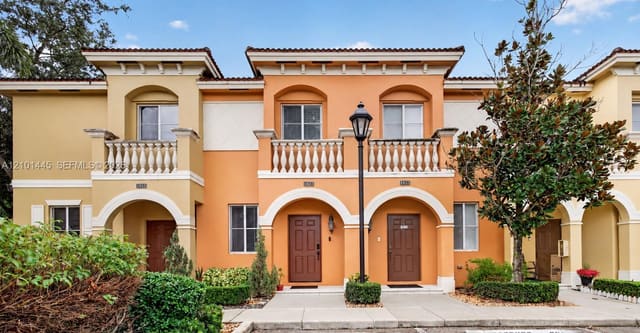
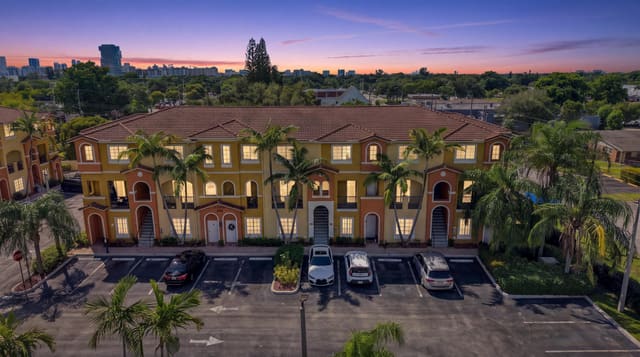
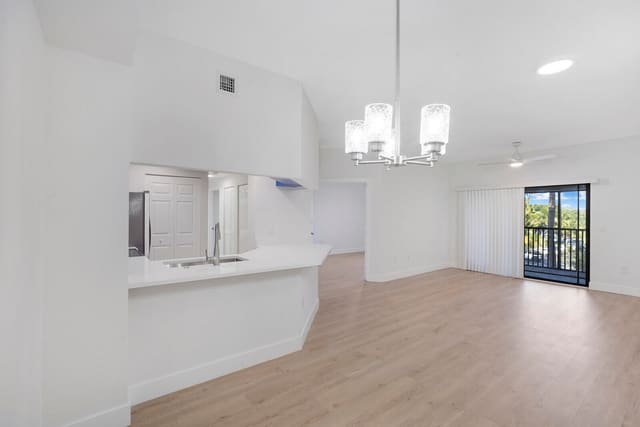
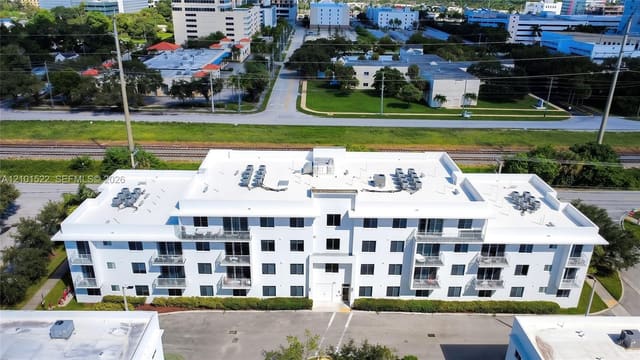



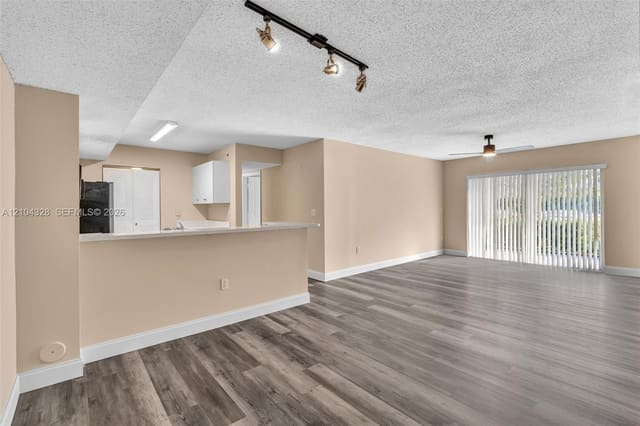
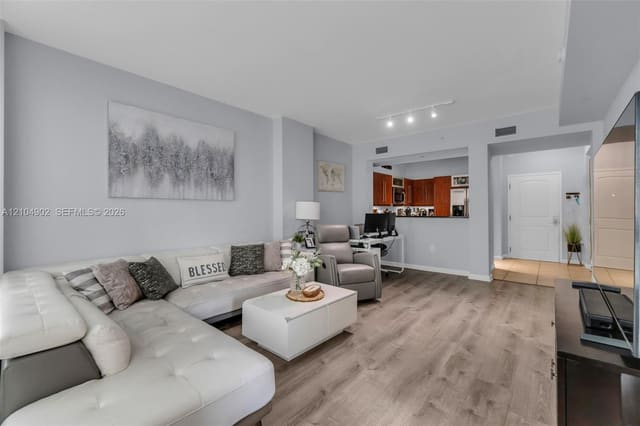
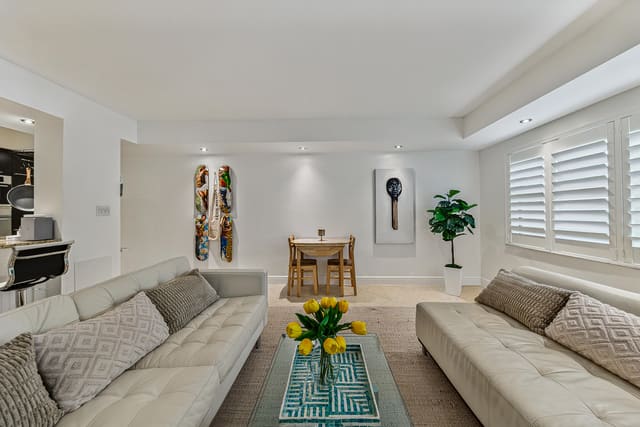
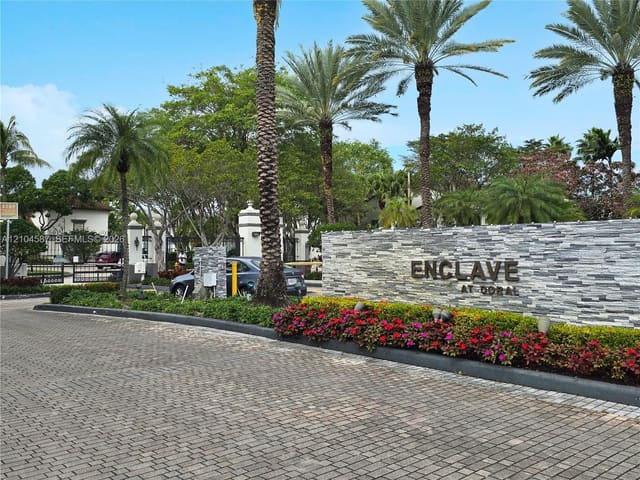
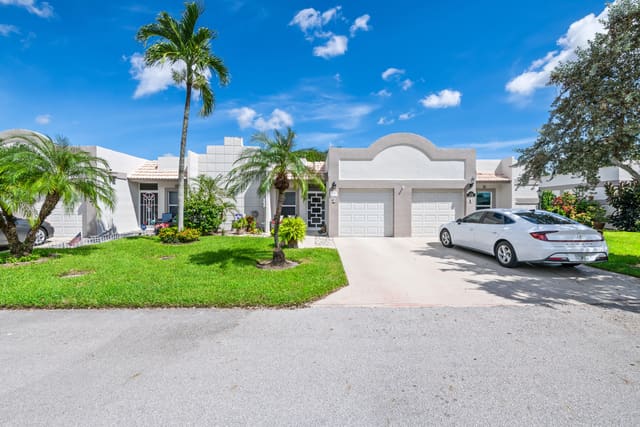
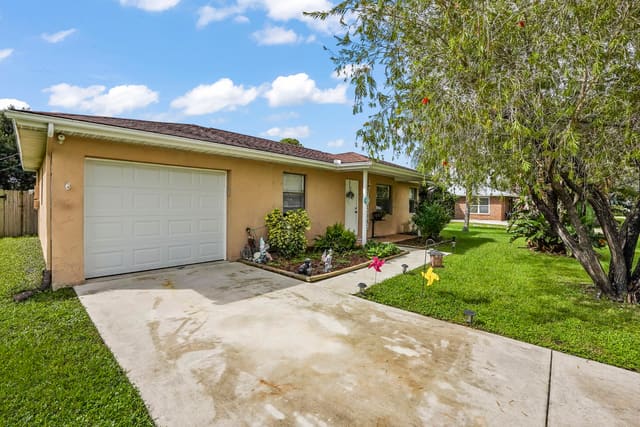
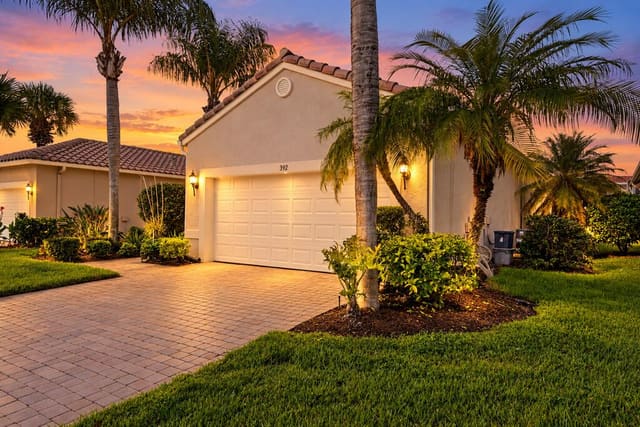
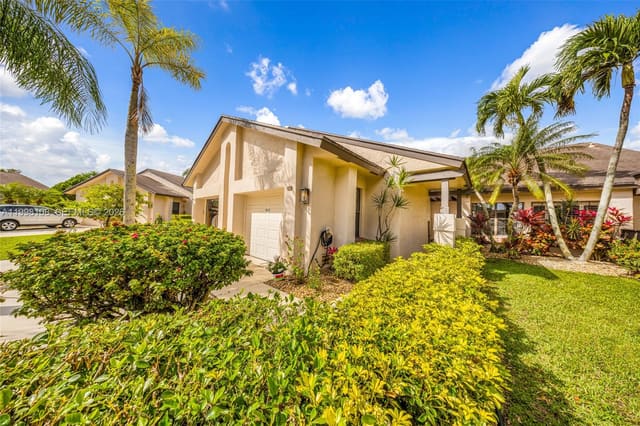
Stay Ahead of the Market
Tell us what you're looking for and we'll send matches as they hit the market.
Explore by County
Featured Communities
Homes Under $300K in South Florida
Homes Under $300K: What to Know
With the median South Florida home around $250,000, a $300,000 ceiling reaches roughly the middle of the market, and it is the level where real choice opens up. Close to 43,000 active listings sit under $300,000 across our eight counties, including about 11,000 single-family houses rather than almost all condos. For move-up buyers, growing families, and first-time buyers with a bit more room in the budget, $300,000 is the point where a detached house with a yard becomes realistic in more of the region.
Under $300,000 the map widens. You can still buy condos and townhomes near the coast in Palm Beach and Broward, but you also reach single-family homes in western Boynton Beach, Greenacres, Lake Worth, Royal Palm Beach, and Loxahatchee in Palm Beach County, in Coral Springs, Tamarac, and North Lauderdale in Broward, and in a much larger supply on the Treasure Coast in Port St. Lucie and Fort Pierce, where newer three-bedroom houses trade in this range. Inland, the Heartland markets of Sebring, Avon Park, Lake Placid, and Okeechobee offer some of the largest houses and lots for the money.
At $300,000 the real decision is often a coastal condo versus an inland or Treasure Coast house. A condo keeps you close to the beach and downtowns with amenities and lower maintenance, but it carries dues, possible assessments, and the post-Surfside reserve rules that hit older buildings hard. A single-family house gives you land, no shared-wall living, and full control, usually at the cost of a longer commute to the coastal job centers and, in Florida, more exposure to insurance and roof-age issues. We help buyers weigh which tradeoff fits their life, not just their budget.
In Florida, and especially at the affordable end where the housing stock is older, the roof and the insurance quote can make or break a purchase. Insurers increasingly refuse to write or renew policies on roofs older than about 15 years, and a home that cannot be insured affordably cannot really be financed. Under $300,000 you will see many houses and condos built between the 1970s and the 1990s, so we build the four-point inspection, wind mitigation report, and an insurance quote into the process early, before you are emotionally committed, so the true monthly cost is clear.
Buying under $300,000 keeps you comfortably inside conventional and FHA loan limits with room to spare, which widens your lender options and keeps the down payment manageable. It also positions you below the region's median price, which historically means a deeper pool of buyers when you eventually sell. Florida Housing first-time-buyer programs and down payment assistance operate comfortably in this price band, and we help match buyers to the programs they qualify for so more of the cash stays in your pocket at closing.
Pure Equity helps buyers get the most out of a $300,000 budget across all eight counties, whether that means a well-run condo near the water, a townhome in a gated community, or a single-family house with a yard on the Treasure Coast or inland. We know which neighborhoods deliver value at this level, which ones carry hidden insurance or assessment risk, and where a little patience buys a lot more house. Tell us how you want to live and we will show you the strongest homes under $300,000 for your money.
Questions
Homes Under $300K: Frequently asked questions
Can I buy a single-family home for under $300,000 in South Florida?
Yes. About 11,000 active single-family houses are listed under $300,000 across the eight counties we serve. The best supply is on the Treasure Coast in Port St. Lucie and Fort Pierce and in the inland Heartland markets, with a smaller number in western Palm Beach and northern Broward. Closer to the coast at this price, condos and townhomes are more common than detached houses.
Is $300,000 a good budget for a first home here?
It is a strong entry point. It sits near the regional median, keeps you inside conventional and FHA loan limits, and opens up single-family homes in more areas than a sub-$200,000 budget. Buying below the median also tends to mean an easier resale later. Pairing this budget with Florida Housing assistance programs can further reduce the cash you need at closing.
Should I buy a coastal condo or an inland house at this price?
It depends on your priorities. A condo keeps you near the beach and downtowns with amenities and less maintenance but adds dues and possible assessments under the new reserve laws. An inland or Treasure Coast house gives you land and control, usually with a longer coastal commute and closer attention needed on insurance and roof age. We help you compare the true monthly cost of each.
Why does roof age matter so much on affordable Florida homes?
Because insurers increasingly decline or non-renew coverage on roofs older than roughly 15 years, and a home you cannot insure affordably is very hard to finance. Under $300,000 you will see many older homes, so the roof's age and condition directly affect whether the deal works. We order a wind mitigation report and an insurance quote early so there are no surprises.
What areas give the most house for $300,000?
The Heartland counties of Highlands and Okeechobee, followed by the Treasure Coast, generally deliver the largest homes and lots for the money. Sebring, Avon Park, Lake Placid, Okeechobee, Port St. Lucie, and Fort Pierce all offer newer or larger single-family homes under $300,000 than you will typically find in coastal Palm Beach, Broward, or Miami-Dade.
Will my property taxes change when I buy?
Yes. Florida's Save Our Homes assessment cap protects the current owner but does not transfer to you. Your first tax bill is based on your purchase price, which can be higher than what the seller currently pays. If the home will be your primary residence, file for the homestead exemption, which reduces taxable value and caps future increases for as long as you own and live in the home.
Related Reading
Homes Under $300K: From the Journal
Mortgage & Rates · October 1, 2026
Mortgage Underwriting in Florida: How Long It Takes, What Can Withdraw an Approval and Why Sellers Should Care
Underwriting is where a buyer's loan approval is won or lost. See typical timelines, the deadlines in the Florida contract, what can pull an approval late, and how sellers can judge a buyer's financing.
Mortgage & Rates · October 1, 2026
Florida Mortgage Fees Decoded: Origination, Points, Underwriting and Which Lender Charges You Can Negotiate
Your Loan Estimate splits closing costs into lender fees you can push back on, third-party charges you can shop and Florida taxes no one can waive. Here is how to read it line by line and where a seller credit fits.
First-Time Buyers · October 1, 2026
Buying a House With Bad Credit in Palm Beach County: Minimum Scores, Manual Underwriting and a Realistic Timeline
FHA still lends down to a 500 score with 10% down, Fannie Mae dropped its hard 620 floor in late 2025, and Florida Housing's assistance needs a 640. Here is what each rule means for a Palm Beach County buyer and a realistic plan to get ready.
Keep Exploring
More Ways to Search South Florida
Thinking of Selling?
What is your South Florida home worth?
Online estimates miss what makes a home different. Tell us about yours and a licensed listing agent will send you a pricing opinion based on what has actually closed near you in South Florida.
Listing agents and seller representation in South Florida
Thinking about selling in South Florida? The agent you pick shapes two numbers: what your home closes for, and how long it takes. A listing agent, also called a seller's agent, prices the property against what has actually closed nearby. They also prepare and market it, screen the offers that arrive, and negotiate the terms rather than just the price.
Conditions in South Florida sit close to balanced, which rewards sellers who price against real closed sales instead of neighboring asking prices.
South Florida is not one market. Coastal and inland behave differently, and so do new construction and 1970s stock. Condo sellers face an extra layer, because association finances and reserve funding affect what buyers can borrow.
Pure Equity is a licensed Florida brokerage serving all eight of the South Florida counties we cover. Onias Derilus is the broker of record, Florida Real Estate Broker license BK3276618. A broker holds a higher license than an agent working under one. In practice that means the person advising you on price is also the one legally responsible for the file. That matters most when a deal gets complicated.
More on this: what is an exclusive right of sale listing? · selling when you owe more than the house is worth
Realtors and real estate agents serving South Florida
People search for realtors, real estate agents, and real estate brokers more or less interchangeably. For most purposes the job title matters less than licensing and representation. Every licensed agent in Florida works under a broker. That broker carries final responsibility for the transaction.
What separates real estate professionals in South Florida is specificity. Can they answer questions about your street, not just your city? Ask what they have closed nearby and how they arrived at a price. A grounded answer cites particular recent sales. It also explains why those homes compare to yours. Vague reassurance is the warning sign.
More on this: home value after a renovation: what actually adds · how waterfront homes are valued · when and how to price your home
Buyer's agents in South Florida
A buyer's agent represents the purchaser rather than the owner. They identify properties that actually fit and research what comparable homes sold for, not what they asked. They also advise on offer strategy. Finally, they manage inspection and financing deadlines through to closing.
Where buyers have room to negotiate, as they do in South Florida, the leverage is only worth something if you know where it exists and what to ask for. If you are buying and selling at the same time, which is common for people moving within South Florida, sequencing the two is its own skill: contingencies, timing, and what happens if one closing slips all need planning before either home goes on the market.
What representation costs
Real estate commissions are negotiable. No law, multiple listing service, or association sets them. If an agent tells you there is a standard rate, they are misinforming you. What you pay is agreed between you and the brokerage you hire. Get it in writing before the work begins.
Industry rules changed in 2024. Now a buyer and their agent must put compensation in a written buyer agreement before touring homes together. Sellers may still offer to contribute toward the buyer's side. However, that is negotiated rather than assumed. It is worth thinking through with your listing agent before you go live.
More on this: how commission is actually structured · what you actually walk away with · seller concessions, and when to offer them
Buying Instead?
Search South Florida with someone local
We will tell you which listings are worth your time, what comparable homes actually closed for, and how to structure an offer that holds up through inspection and financing.
Frequently asked questions
How do I find a listing agent in South Florida?
Ask any listing agent you interview two questions. Which homes have they closed near South Florida, and how did they arrive at their suggested price? A grounded answer names recent closed sales. It also explains why those homes compare to yours. Optimistic pricing costs sellers more than almost any other decision. Verify the license too. Florida licenses are public and searchable through the state's DBPR portal. Pure Equity is a licensed brokerage serving South Florida. You can reach the broker directly at (561) 835-5400.
What does a seller's agent actually do?
A seller's agent prices the home against comparable closed sales. Before it goes live, they advise on repairs and presentation. Then they handle photography and marketing, and put the home in front of buyers and other agents. When offers arrive, they screen them and negotiate both price and terms. Terms matter as much as the number, because inspection windows, financing contingencies, and closing dates all affect whether an offer reaches the closing table.
How much does a real estate agent cost in South Florida?
Commissions are fully negotiable. No law or real estate board sets them. What you pay is whatever you and your brokerage agree to in writing before work begins. Since the 2024 rule changes, buyers and their agents must agree compensation in a written buyer agreement before touring homes. Any seller contribution toward the buyer's side is negotiated rather than automatic. Ask any agent you interview to put their fee in writing.
What is the difference between a realtor, a real estate agent, and a broker?
A real estate agent holds a state license to represent buyers and sellers. A broker holds a higher-level license and can operate a brokerage. That broker also carries final legal responsibility for the office's transactions. Realtor is a membership term for agents belonging to the National Association of Realtors. For someone buying or selling in South Florida, three practical questions matter. Is the person licensed, who do they represent in your transaction, and what can they actually tell you about your local market?
Do I need an agent to buy a home in South Florida?
You are not legally required to use one, but most buyers in South Florida do. A buyer's agent handles the parts that are easy to get wrong. That means identifying what comparable homes actually closed for, spotting condition or association issues early, and managing inspection and financing deadlines. Even in a slower market, negotiating room is only useful if you know where it exists.
Can one agent help me sell my current home and buy the next one?
Yes. For people moving within South Florida it is often the more practical route, because one person coordinates both timelines. Sequencing is the hard part. Should your purchase be contingent on your sale? How would you cover a gap if the closings do not line up? What happens if one side is delayed? Plan all of that before either home is listed, rather than after an offer arrives.