
South Florida
No-HOA Homes for Sale in South Florida
Homes with no homeowners association, no monthly dues, no approval boards, and full freedom over your property.
Get Listings Alerts
Be the first to know when a new no hoa homes listing hits the market in South Florida.
Browse
No HOA Homes in South Florida





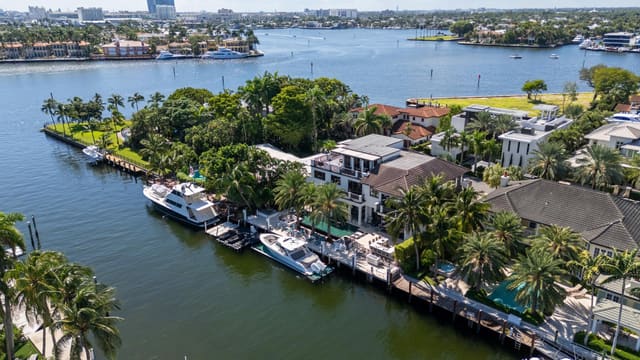
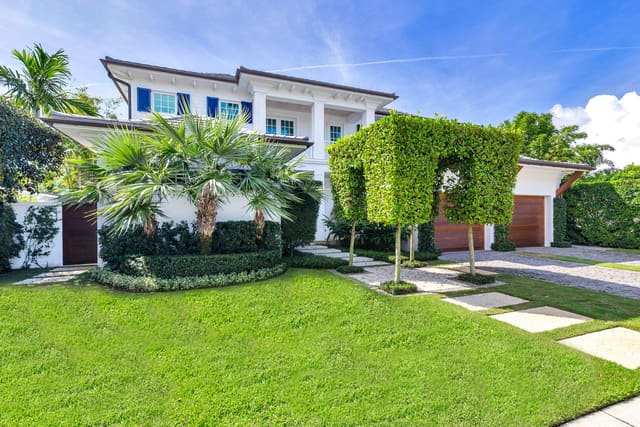
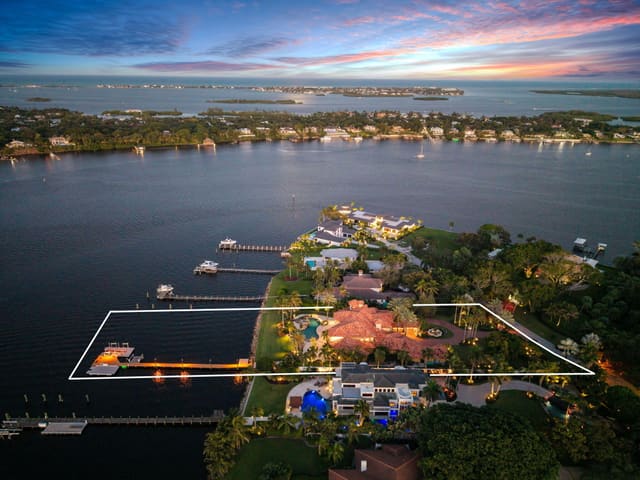
Stay Ahead of the Market
Tell us what you're looking for and we'll send matches as they hit the market.
Explore by County
Featured Communities
No HOA Homes in South Florida
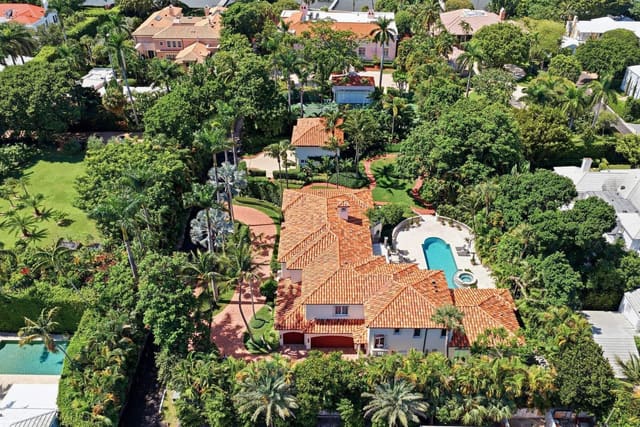
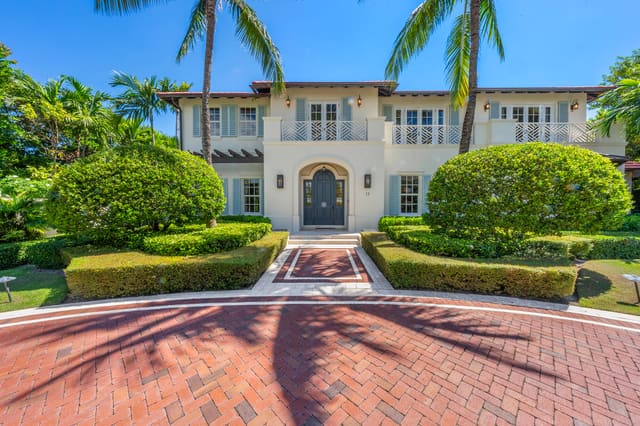
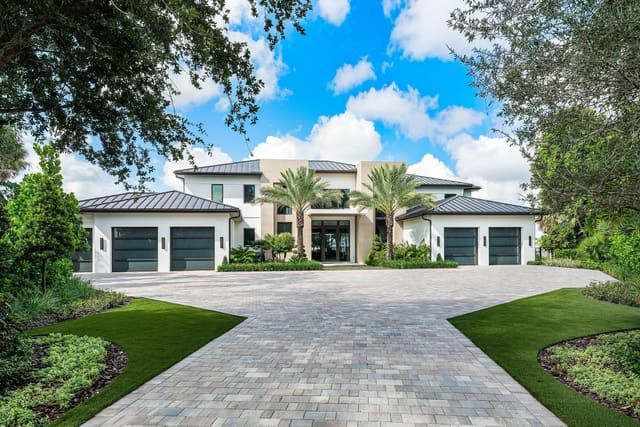
No HOA Homes: What to Know
No-HOA homes appeal to buyers who want their property to be theirs to run. With no homeowners association there are no monthly or annual dues, no architectural review board deciding your paint color, and no rules dictating where you park or what you store. You can keep a boat or RV on the property, run a home business, rent the place out, put up a fence or a shed, and renovate on your own timeline within county code. For boaters, tradespeople, hobbyists, and investors, that freedom is the whole point. It also means you answer to the local building and zoning departments directly rather than to a board, which most owners prefer once they understand the difference. The flip side is that the discipline an HOA imposes on a neighborhood, for better or worse, is now up to you and your neighbors.
In South Florida these homes tend to cluster in older, established neighborhoods built before deed-restricted communities became the norm, and on acreage in places like Loxahatchee, The Acreage, Jupiter Farms, and the more rural pockets of western Palm Beach, Martin, and St. Lucie counties. You will also find them scattered through older parts of cities like West Palm Beach, Fort Lauderdale, and Hollywood, where lots were platted long before community associations were standard. The trade-off for that freedom is that no association maintains common areas, enforces upkeep on neighboring lots, or sets aside reserves, so the character of the street depends on the owners themselves. That can be a feature if you value independence, but it means you should look closely at the surrounding homes, not just the one you are buying, because nobody is going to compel a neighbor to mow or repaint.
Without an association handling shared services, you take on more direct responsibility. There is no HOA budget covering private road maintenance, gate repairs, or community landscaping, so confirm who maintains the road your home sits on and whether it is public or privately shared with the neighbors. On larger lots you may rely on a private well and a septic system rather than city water and sewer, which means testing the well water, inspecting the septic tank and drainfield, and budgeting for their upkeep and eventual replacement. Drainage and flood control can also fall to you on rural parcels, where canals and swales matter after heavy rain. None of this is a dealbreaker, but it should be priced into your decision before you write an offer, because these are real recurring costs that an HOA would otherwise spread across many homes.
Skipping HOA dues does not mean skipping the costs that come with all Florida property. You still need windstorm and flood insurance where applicable, and rates here are driven by your roof age, construction type, elevation, and flood zone far more than by any association. Older no-HOA homes often have older roofs and original windows, so factor in the cost of a roof replacement or impact-window upgrade, both of which can also lower your premium and improve insurability. Property taxes, with the Homestead exemption and the Save Our Homes assessment cap for primary residents, apply the same way they do anywhere in the state. When you compare a no-HOA home to one with dues, add up these ownership costs honestly rather than assuming the absence of a monthly fee makes it the cheaper home to own.
There are real things to watch for. Verify the zoning and allowed uses if you plan to park commercial vehicles, keep livestock or horses, build an accessory structure, or operate a short-term rental, since city and county rules still apply even without an HOA. Check for old deed restrictions that can exist on a property independent of any active association, because covenants can outlive the group that wrote them. On acreage, confirm legal access, recorded easements, and whether utilities are at the lot or would have to be brought in at your expense. A clear title review and a current survey are worth the cost on these properties, since boundary, access, and easement surprises are far more common here than in a platted subdivision with an HOA managing the details.
Pure Equity knows where the genuine no-HOA pockets are across South Florida and the Treasure Coast, and we help you confirm that a home truly has no association and no hidden restrictions before you commit. We line up well, septic, roof, and survey inspections, check zoning against how you plan to use the property, and make sure private road and access questions are answered in writing rather than assumed. We also help you weigh the resale picture, since the same freedoms that attract you will attract the next buyer too. If freedom from dues and boards is what you are after, we will help you find it without inheriting a problem you did not see coming.
Questions
No HOA Homes: Frequently asked questions
How do I confirm a home truly has no HOA?
Review the title commitment and the recorded deed restrictions, not just the listing. Some properties sit in a community with a dormant or voluntary association, or carry old recorded covenants even without active dues. Your agent and title company can confirm whether any mandatory association or restriction is attached before you close.
Can I park a boat or RV at a no-HOA home?
Usually yes, but city and county code still applies even without an association. Some municipalities restrict where commercial vehicles, boats, or RVs can be parked, or require them to be screened or behind a setback line. Check the local zoning and parking ordinance for the specific address before assuming there are no limits.
Do no-HOA homes have well and septic instead of city utilities?
Many on acreage do, especially in rural western areas, while older in-town homes are often on city water and sewer. If a home is on a private well and septic, budget for a well water test and a septic inspection during your due diligence, and plan for ongoing maintenance the county does not handle for you.
Is insurance cheaper on a no-HOA home?
Not because of the missing HOA. Your premium is driven by roof age, construction, elevation, and flood zone, plus whether you have impact windows. Older no-HOA homes can actually cost more to insure if the roof and windows are dated, so price in potential upgrades that both protect the home and can lower the rate.
Can I rent out a no-HOA home or use it as a short-term rental?
Long-term rentals are generally unrestricted without an association, which is a major draw for investors. Short-term and vacation rentals are a different question: many South Florida cities and counties regulate or license them regardless of HOA status, so confirm the local short-term rental rules for the address before counting on that income.
Are no-HOA neighborhoods less well kept?
It varies. Without an association nobody enforces upkeep on neighboring lots or maintains common areas, so appearance depends on the owners. Many established no-HOA streets are well maintained and full of pride of ownership; others are more uneven. Drive the street at different times and look at the neighbors before you decide.
Related Reading
No HOA Homes: From the Journal
Home Buying Tips · June 22, 2026
Buying a House but Do Not Want to Join the HOA? Here's What to Know
HOA membership is almost always mandatory when you buy in a governed community. Here is what South Florida buyers need to know before signing a contract.
Home Selling Tips · October 1, 2026
How to Sell a House Full of Stuff: Estate Sales and Cleanouts in Palm Beach County
A practical plan for Palm Beach County owners facing a home packed with a lifetime of belongings. Compare estate sales, cleanouts and selling with the contents, and set a realistic timeline.
Home Selling Tips · October 1, 2026
Renovate Now, Pay at Closing: Is a Pay at Closing Renovation Worth It for Florida Sellers?
Pay-at-closing renovation programs let Florida sellers fix up a home now and pay from the sale. Here is how they work, what to check in the contract, and how they compare with selling as-is or offering a credit.
Thinking of Selling?
What is your South Florida home worth?
Online estimates miss what makes a home different. Tell us about yours and a licensed listing agent will send you a pricing opinion based on what has actually closed near you in South Florida.
Listing agents and seller representation in South Florida
Thinking about selling in South Florida? The agent you pick shapes two numbers: what your home closes for, and how long it takes. A listing agent, also called a seller's agent, prices the property against what has actually closed nearby. They also prepare and market it, screen the offers that arrive, and negotiate the terms rather than just the price.
Conditions in South Florida sit close to balanced, which rewards sellers who price against real closed sales instead of neighboring asking prices.
South Florida is not one market. Coastal and inland behave differently, and so do new construction and 1970s stock. Condo sellers face an extra layer, because association finances and reserve funding affect what buyers can borrow.
Pure Equity is a licensed Florida brokerage serving all eight of the South Florida counties we cover. Onias Derilus is the broker of record, Florida Real Estate Broker license BK3276618. A broker holds a higher license than an agent working under one. In practice that means the person advising you on price is also the one legally responsible for the file. That matters most when a deal gets complicated.
More on this: what is an exclusive right of sale listing? · selling when you owe more than the house is worth
Realtors and real estate agents serving South Florida
People search for realtors, real estate agents, and real estate brokers more or less interchangeably. For most purposes the job title matters less than licensing and representation. Every licensed agent in Florida works under a broker. That broker carries final responsibility for the transaction.
What separates real estate professionals in South Florida is specificity. Can they answer questions about your street, not just your city? Ask what they have closed nearby and how they arrived at a price. A grounded answer cites particular recent sales. It also explains why those homes compare to yours. Vague reassurance is the warning sign.
More on this: home value after a renovation: what actually adds · how waterfront homes are valued · when and how to price your home
Buyer's agents in South Florida
A buyer's agent represents the purchaser rather than the owner. They identify properties that actually fit and research what comparable homes sold for, not what they asked. They also advise on offer strategy. Finally, they manage inspection and financing deadlines through to closing.
Where buyers have room to negotiate, as they do in South Florida, the leverage is only worth something if you know where it exists and what to ask for. If you are buying and selling at the same time, which is common for people moving within South Florida, sequencing the two is its own skill: contingencies, timing, and what happens if one closing slips all need planning before either home goes on the market.
What representation costs
Real estate commissions are negotiable. No law, multiple listing service, or association sets them. If an agent tells you there is a standard rate, they are misinforming you. What you pay is agreed between you and the brokerage you hire. Get it in writing before the work begins.
Industry rules changed in 2024. Now a buyer and their agent must put compensation in a written buyer agreement before touring homes together. Sellers may still offer to contribute toward the buyer's side. However, that is negotiated rather than assumed. It is worth thinking through with your listing agent before you go live.
More on this: how commission is actually structured · what you actually walk away with · seller concessions, and when to offer them
Buying Instead?
Search South Florida with someone local
We will tell you which listings are worth your time, what comparable homes actually closed for, and how to structure an offer that holds up through inspection and financing.
Frequently asked questions
How do I find a listing agent in South Florida?
Ask any listing agent you interview two questions. Which homes have they closed near South Florida, and how did they arrive at their suggested price? A grounded answer names recent closed sales. It also explains why those homes compare to yours. Optimistic pricing costs sellers more than almost any other decision. Verify the license too. Florida licenses are public and searchable through the state's DBPR portal. Pure Equity is a licensed brokerage serving South Florida. You can reach the broker directly at (561) 835-5400.
What does a seller's agent actually do?
A seller's agent prices the home against comparable closed sales. Before it goes live, they advise on repairs and presentation. Then they handle photography and marketing, and put the home in front of buyers and other agents. When offers arrive, they screen them and negotiate both price and terms. Terms matter as much as the number, because inspection windows, financing contingencies, and closing dates all affect whether an offer reaches the closing table.
How much does a real estate agent cost in South Florida?
Commissions are fully negotiable. No law or real estate board sets them. What you pay is whatever you and your brokerage agree to in writing before work begins. Since the 2024 rule changes, buyers and their agents must agree compensation in a written buyer agreement before touring homes. Any seller contribution toward the buyer's side is negotiated rather than automatic. Ask any agent you interview to put their fee in writing.
What is the difference between a realtor, a real estate agent, and a broker?
A real estate agent holds a state license to represent buyers and sellers. A broker holds a higher-level license and can operate a brokerage. That broker also carries final legal responsibility for the office's transactions. Realtor is a membership term for agents belonging to the National Association of Realtors. For someone buying or selling in South Florida, three practical questions matter. Is the person licensed, who do they represent in your transaction, and what can they actually tell you about your local market?
Do I need an agent to buy a home in South Florida?
You are not legally required to use one, but most buyers in South Florida do. A buyer's agent handles the parts that are easy to get wrong. That means identifying what comparable homes actually closed for, spotting condition or association issues early, and managing inspection and financing deadlines. Even in a slower market, negotiating room is only useful if you know where it exists.
Can one agent help me sell my current home and buy the next one?
Yes. For people moving within South Florida it is often the more practical route, because one person coordinates both timelines. Sequencing is the hard part. Should your purchase be contingent on your sale? How would you cover a gap if the closings do not line up? What happens if one side is delayed? Plan all of that before either home is listed, rather than after an offer arrives.
Keep Reading
More from Pure Equity
- Non qm loans florida
- Oceanfront condos
- Off grid land
- Owner financing land
- Pending
- Penthouses
- Pool homes
- Preparing to sell your home
- Price reduced
- Probate and inherited property