
South Florida
Equestrian Homes & Horse Properties for Sale in Florida
Horse properties, equestrian estates, and farms across South and Central Florida, from Wellington's show circuit to ranch land out west.
Get Listings Alerts
Be the first to know when a new equestrian homes listing hits the market in South Florida.
Browse
Equestrian Homes in South Florida
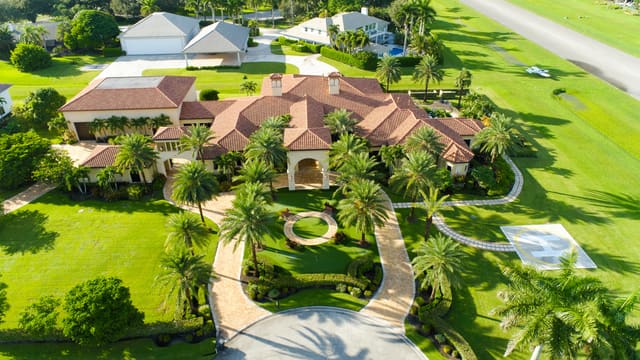
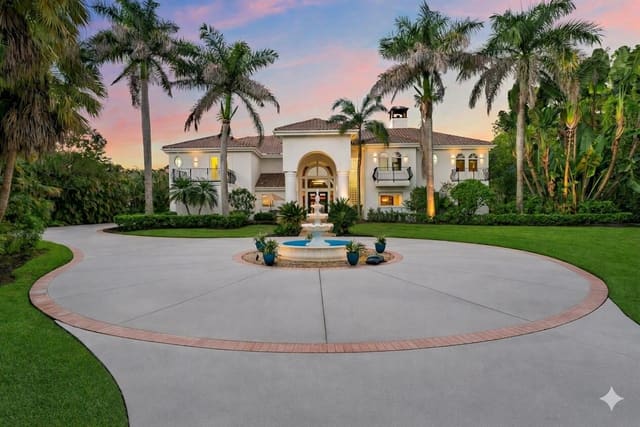
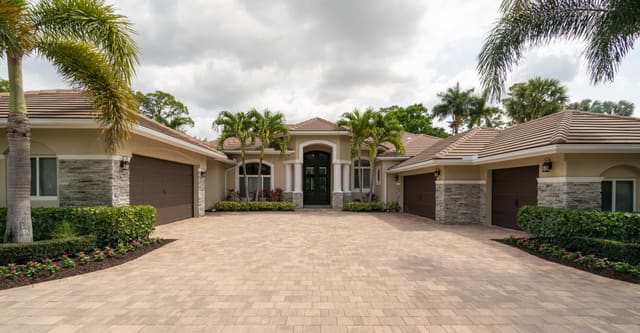

Stay Ahead of the Market
Tell us what you're looking for and we'll send matches as they hit the market.
Explore by County
Featured Communities
Equestrian Homes in South Florida
Equestrian Homes: What to Know
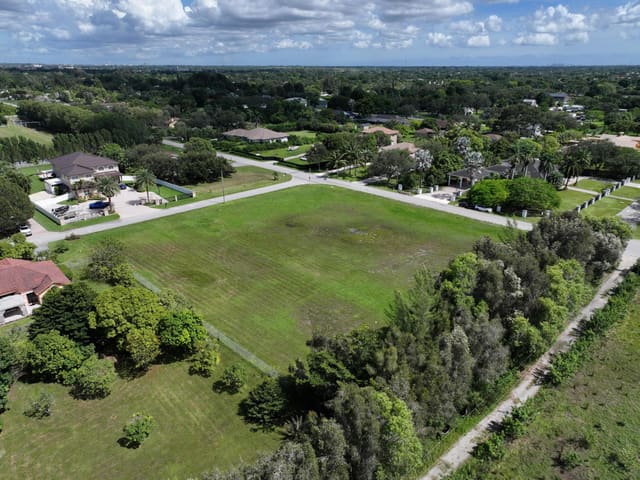
Equestrian homes are properties built or zoned for keeping horses, ranging from a few acres with a small barn to full show facilities with multiple arenas. Florida is one of the most active horse states in the country, and Palm Beach County sits at the center of it. Each winter Wellington hosts the Winter Equestrian Festival, the largest and longest horse show in the world, drawing riders, trainers, and owners from across the globe for months of competition. That gravity pulls demand into Wellington's gated equestrian enclaves and into the surrounding communities of Loxahatchee, The Acreage, and Jupiter Farms, where buyers can keep horses at home on larger, more affordable parcels.
What you need from an equestrian property depends entirely on how you ride. A competitor on the Wellington circuit may want a turnkey barn with a covered arena, wash stalls, a tack room, fly systems, and direct access to the bridle-path network that connects show grounds. A trail rider or a family with a couple of horses may be perfectly served by a few acres in Loxahatchee with a run-in shed, good pasture, and room to add. Out in Martin, St. Lucie, Okeechobee, and Highlands counties, the scale grows and the price per acre drops, which is where ranchettes and larger spreads make sense for breeding, training, or simply more land per horse.
The barn and the land deserve as much scrutiny as the house, sometimes more. Walk the structure for stall size and number, ventilation, footing, electric, and water at the barn. Look hard at fencing, since replacing perimeter fencing on acreage is expensive, and check that paddocks drain and do not turn to soup in summer rains. Arena footing, drainage, and any covered riding space add real value and real cost. Florida's flat water table and heavy wet-season rainfall make drainage a central issue: a property that floods cannot turn out horses, so ask how it handles a typical August downpour.
Two technical items decide whether a property truly works for horses. The first is the well. A horse operation uses a lot of water for drinking, washing, and arena dust control, and you want confirmation that the well produces enough gallons per minute to support the herd plus the household, especially in dry season. The second is zoning. Not every rural-looking lot allows horses, and those that do often cap the number of animals per acre and set rules on barn placement and setbacks. Confirm the zoning and any homeowners association or deed restrictions before you assume you can keep a single horse, let alone a barn full.
Florida's Greenbelt agricultural classification is one of the biggest financial advantages of a genuine horse property, and one of the most misunderstood. Land used in good faith for a qualifying agricultural purpose, which can include commercial equine activity, is assessed on its agricultural value rather than its market value, often cutting the property-tax bill on the land dramatically. The classification is not automatic, has to be applied for through the county property appraiser, and requires bona fide use, not just a horse in the yard. The savings can be substantial over the years you own, so it is worth understanding what qualifies in the specific county before you buy.
Pure Equity specializes in rural and equestrian real estate across Palm Beach, Martin, St. Lucie, Okeechobee, and Highlands counties. We evaluate the whole property the way a horse owner has to: barn and stall condition, fencing, footing, pasture, drainage, and well capacity, alongside the house. We confirm zoning and animal limits, explain how the Greenbelt classification works in that county, and connect you with the inspectors, well testers, and equine professionals who know rural Florida property. Whether you want a turnkey show barn near Wellington or open acreage to build on, we help you buy the land as carefully as the home.
Questions
Equestrian Homes: Frequently asked questions
How many acres do I need to keep horses in Florida?
It depends on local zoning, not a single statewide rule. Many rural areas allow roughly one horse per acre or one per two acres, while some agricultural zones permit more. Pasture quality and whether you supplement with hay also matter. Always confirm the specific county and any HOA limits before assuming a parcel supports the number of horses you plan to keep.
What is the Greenbelt agricultural classification and how do I qualify?
It assesses qualifying farm land on its agricultural value instead of market value, which can sharply lower the property tax on the land. Commercial equine use can qualify. You apply through the county property appraiser and must show bona fide, good-faith agricultural use, not just a horse on a residential lot. Requirements vary by county, so verify locally.
Why does well capacity matter so much for a horse property?
Horses, barn washdowns, and arena dust control use a lot of water, on top of household needs. A well that struggles in dry season can leave you hauling water. Before buying, ask for the well's gallons-per-minute output and depth, and consider a flow test, so you know it can support both the herd and the home year-round.
Where are the main equestrian areas in South Florida?
Wellington is the hub, home to the Winter Equestrian Festival and gated equestrian communities with bridle-path access. Nearby Loxahatchee, The Acreage, and Jupiter Farms offer larger, more affordable lots for keeping horses at home. Farther out, Martin, St. Lucie, Okeechobee, and Highlands counties provide bigger acreage at lower prices for ranches and training operations.
What should I inspect on the barn and land, not just the house?
Check stall count and size, barn ventilation, electric, and water; perimeter and paddock fencing condition; pasture and arena footing; and how the property drains in heavy summer rain. Flooding can shut down turnout. Replacing fencing or fixing drainage on acreage is costly, so weigh those into your offer alongside the home itself.
Can I keep horses on any rural-looking lot?
No. Some rural parcels are zoned in ways that prohibit livestock, and many deed-restricted or HOA communities ban horses entirely. Even where horses are allowed, there are usually limits on animals per acre and rules on barn placement and setbacks. Confirm zoning and any community restrictions in writing before you buy if keeping horses is the goal.
Related Reading
Equestrian Homes: From the Journal
Home Buying Tips · October 1, 2026
Retiring With Horses in Florida: Wellington vs. Loxahatchee for Equestrian-Minded Retirees
A plain comparison for retirees who want horses or land in Palm Beach County: Wellington's equestrian neighborhoods versus the bigger, more rural lots of Loxahatchee, Loxahatchee Groves and The Acreage.
Home Buying Tips · October 1, 2026
Westlake vs Wellington for Families: New Master-Planned Living or an Established Equestrian Suburb?
Westlake is Palm Beach County's newest city, built almost from scratch since 2016. Wellington has been a village since 1995 and is known worldwide for horses. Here is how they compare on prices, fees, schools, daily life and resale, with Royal Palm Beach as a middle option.
Real Estate Investment · June 19, 2026
Loxahatchee & The Acreage: Buying Land in Palm Beach's Equestrian Country
Dirt roads, horse fences, and homes on an acre or more, twenty minutes from the coast. Here's a buyer's guide to land in Loxahatchee and The Acreage.
Keep Exploring
More Ways to Search South Florida
Thinking of Selling?
What is your South Florida home worth?
Online estimates miss what makes a home different. Tell us about yours and a licensed listing agent will send you a pricing opinion based on what has actually closed near you in South Florida.
Listing agents and seller representation in South Florida
Thinking about selling in South Florida? The agent you pick shapes two numbers: what your home closes for, and how long it takes. A listing agent, also called a seller's agent, prices the property against what has actually closed nearby. They also prepare and market it, screen the offers that arrive, and negotiate the terms rather than just the price.
Conditions in South Florida sit close to balanced, which rewards sellers who price against real closed sales instead of neighboring asking prices.
South Florida is not one market. Coastal and inland behave differently, and so do new construction and 1970s stock. Condo sellers face an extra layer, because association finances and reserve funding affect what buyers can borrow.
Pure Equity is a licensed Florida brokerage serving all eight of the South Florida counties we cover. Onias Derilus is the broker of record, Florida Real Estate Broker license BK3276618. A broker holds a higher license than an agent working under one. In practice that means the person advising you on price is also the one legally responsible for the file. That matters most when a deal gets complicated.
More on this: what is an exclusive right of sale listing? · selling when you owe more than the house is worth
Realtors and real estate agents serving South Florida
People search for realtors, real estate agents, and real estate brokers more or less interchangeably. For most purposes the job title matters less than licensing and representation. Every licensed agent in Florida works under a broker. That broker carries final responsibility for the transaction.
What separates real estate professionals in South Florida is specificity. Can they answer questions about your street, not just your city? Ask what they have closed nearby and how they arrived at a price. A grounded answer cites particular recent sales. It also explains why those homes compare to yours. Vague reassurance is the warning sign.
More on this: home value after a renovation: what actually adds · how waterfront homes are valued · when and how to price your home
Buyer's agents in South Florida
A buyer's agent represents the purchaser rather than the owner. They identify properties that actually fit and research what comparable homes sold for, not what they asked. They also advise on offer strategy. Finally, they manage inspection and financing deadlines through to closing.
Where buyers have room to negotiate, as they do in South Florida, the leverage is only worth something if you know where it exists and what to ask for. If you are buying and selling at the same time, which is common for people moving within South Florida, sequencing the two is its own skill: contingencies, timing, and what happens if one closing slips all need planning before either home goes on the market.
What representation costs
Real estate commissions are negotiable. No law, multiple listing service, or association sets them. If an agent tells you there is a standard rate, they are misinforming you. What you pay is agreed between you and the brokerage you hire. Get it in writing before the work begins.
Industry rules changed in 2024. Now a buyer and their agent must put compensation in a written buyer agreement before touring homes together. Sellers may still offer to contribute toward the buyer's side. However, that is negotiated rather than assumed. It is worth thinking through with your listing agent before you go live.
More on this: how commission is actually structured · what you actually walk away with · seller concessions, and when to offer them
Buying Instead?
Search South Florida with someone local
We will tell you which listings are worth your time, what comparable homes actually closed for, and how to structure an offer that holds up through inspection and financing.
Frequently asked questions
How do I find a listing agent in South Florida?
Ask any listing agent you interview two questions. Which homes have they closed near South Florida, and how did they arrive at their suggested price? A grounded answer names recent closed sales. It also explains why those homes compare to yours. Optimistic pricing costs sellers more than almost any other decision. Verify the license too. Florida licenses are public and searchable through the state's DBPR portal. Pure Equity is a licensed brokerage serving South Florida. You can reach the broker directly at (561) 835-5400.
What does a seller's agent actually do?
A seller's agent prices the home against comparable closed sales. Before it goes live, they advise on repairs and presentation. Then they handle photography and marketing, and put the home in front of buyers and other agents. When offers arrive, they screen them and negotiate both price and terms. Terms matter as much as the number, because inspection windows, financing contingencies, and closing dates all affect whether an offer reaches the closing table.
How much does a real estate agent cost in South Florida?
Commissions are fully negotiable. No law or real estate board sets them. What you pay is whatever you and your brokerage agree to in writing before work begins. Since the 2024 rule changes, buyers and their agents must agree compensation in a written buyer agreement before touring homes. Any seller contribution toward the buyer's side is negotiated rather than automatic. Ask any agent you interview to put their fee in writing.
What is the difference between a realtor, a real estate agent, and a broker?
A real estate agent holds a state license to represent buyers and sellers. A broker holds a higher-level license and can operate a brokerage. That broker also carries final legal responsibility for the office's transactions. Realtor is a membership term for agents belonging to the National Association of Realtors. For someone buying or selling in South Florida, three practical questions matter. Is the person licensed, who do they represent in your transaction, and what can they actually tell you about your local market?
Do I need an agent to buy a home in South Florida?
You are not legally required to use one, but most buyers in South Florida do. A buyer's agent handles the parts that are easy to get wrong. That means identifying what comparable homes actually closed for, spotting condition or association issues early, and managing inspection and financing deadlines. Even in a slower market, negotiating room is only useful if you know where it exists.
Can one agent help me sell my current home and buy the next one?
Yes. For people moving within South Florida it is often the more practical route, because one person coordinates both timelines. Sequencing is the hard part. Should your purchase be contingent on your sale? How would you cover a gap if the closings do not line up? What happens if one side is delayed? Plan all of that before either home is listed, rather than after an offer arrives.
Keep Reading
More from Pure Equity
- Expired listing
- Farmland for sale
- First time home buyers
- Fix and flip
- Florida home inspection
- Florida real estate contract
- For rent by owner in Florida: the landlord's job
- Foreclosure prevention
- Foreclosures
- Gated communities