
South Florida
Owner Financing Land for Sale in Florida
Land and lots with seller financing available, low down payments, flexible terms, and no bank qualifying.
Get Listings Alerts
Be the first to know when a new owner financing land listing hits the market in South Florida.
Browse
Owner Financing Land in South Florida
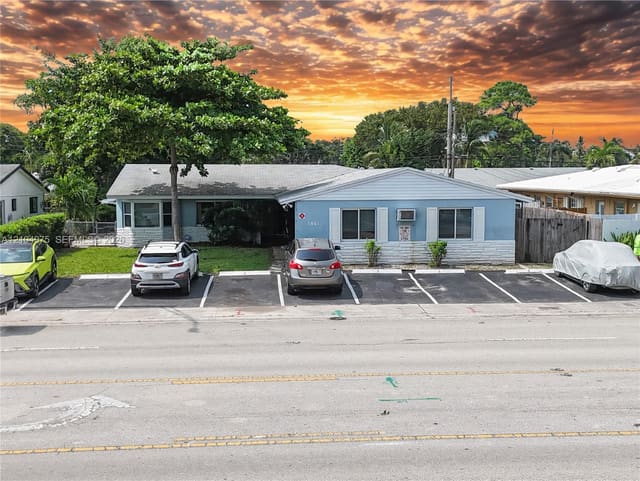
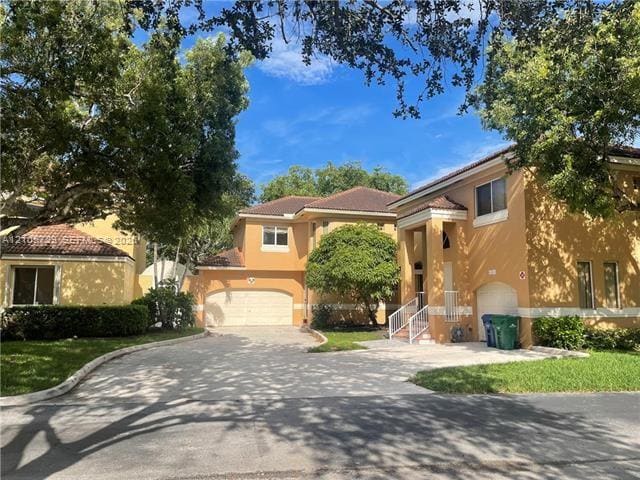
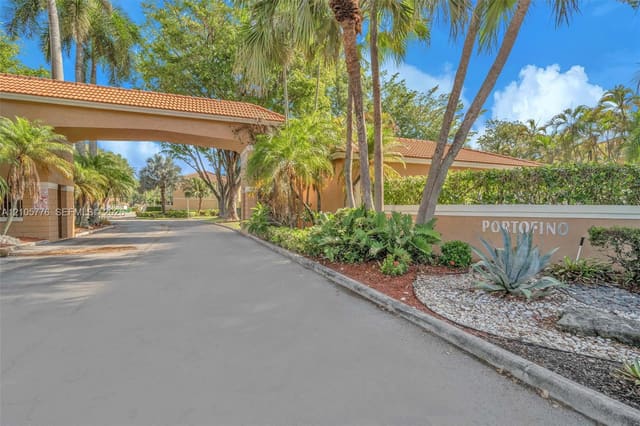
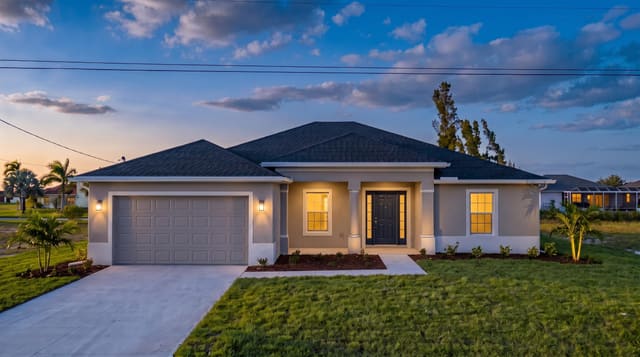


Stay Ahead of the Market
Tell us what you're looking for and we'll send matches as they hit the market.
Explore by County
Featured Communities
Owner Financing Land in South Florida
Owner Financing Land: What to Know
Owner financing, also called seller financing, is a way to buy land where the seller acts as the lender instead of a bank. Rather than getting a mortgage and paying the seller in full at closing, the buyer makes a down payment and then pays the balance over time, with interest, directly to the seller under an agreed schedule. It is common on raw and rural land precisely because that is the property type banks like least. Many lenders either will not finance vacant land or require large down payments and short terms, so a seller who is willing to carry the note opens the door for buyers who have steady income and a reasonable down payment but cannot or do not want to go through conventional underwriting. For sellers, financing the sale can widen the buyer pool, move a hard-to-finance parcel, and produce monthly income with interest.
The terms are negotiable, which is the whole point, but there are typical ranges. Down payments on owner-financed land often run somewhere in the rough neighborhood of ten to thirty percent, with more land down usually buying a better interest rate and more flexibility. Interest rates on seller financing tend to sit above conventional mortgage rates because the seller is taking on risk and giving up liquidity. Terms are frequently shorter than a thirty-year home loan, and many deals are written with a balloon payment, meaning the payments are spread over a long schedule but the remaining balance comes due in a lump sum after a few years, on the expectation that the buyer refinances or pays it off by then. Always confirm whether there is a prepayment penalty, since many buyers want the option to pay early or refinance into a bank loan once the land is improved.
Florida deals are usually structured one of two ways, and the difference matters. In a note-and-mortgage (or note-and-deed-of-trust) structure, the seller deeds the property to the buyer at closing and records a mortgage as security; the buyer holds title and the seller can foreclose if payments stop. In a contract for deed (also called a land contract or agreement for deed), the seller keeps legal title until the buyer finishes paying, and the buyer holds equitable title in the meantime. Each has trade-offs for both sides around default, equity, and how the property is treated. Whichever structure is used, the documents should be drafted or reviewed by a Florida real estate attorney and the appropriate instrument recorded, so both parties are protected on paper rather than relying on a handshake.
Protecting both parties is where good owner-financing deals are made or broken. The buyer should still do real due diligence: a title search and, ideally, title insurance to confirm the seller actually owns the land free of liens, a survey to verify boundaries and acreage, and confirmation of zoning, legal access, flood zone, and whether utilities or a well and septic are feasible. The buyer should also know exactly who pays the property taxes and insurance during the term and confirm those are kept current, because unpaid taxes can put the land at risk. The seller, in turn, wants a clear written note, a fair down payment, a recorded security instrument, and remedies if the buyer defaults. Using a licensed title company or attorney to close, hold documents, and sometimes service the payments keeps the arrangement clean.
Owner financing fits some buyers better than others. It is well suited to land bankers, owner-builders planning to develop later, and people buying rural or off-grid parcels that banks will not touch, especially when the buyer expects to refinance once there is a well, power, or a structure on the land. It is less ideal if you need a very long fixed term, want the lowest possible rate, or are not disciplined about a balloon coming due. Go in knowing the total cost over the life of the note, not just the monthly payment, and have a realistic exit, refinance, sale, or payoff, before the balloon date.
Pure Equity helps buyers and sellers put these deals together properly. We identify land that is offered with seller financing or sellers who may consider it, help negotiate down payment, rate, term, and balloon structure, and make sure the deal does not skip the due diligence that protects a buyer just because a bank is not involved. We coordinate with Florida real estate attorneys and title companies so the note, the security instrument, and the deed are drafted, recorded, and closed correctly, and we can pull current owner-financed land listings that fit your budget and your plan for the property.
Questions
Owner Financing Land: Frequently asked questions
How does owner financing for land actually work?
The seller acts as the lender. You make a down payment at closing and pay the rest over time, with interest, directly to the seller under a written schedule, instead of getting a bank mortgage. The deal is secured by either a recorded note and mortgage or a contract for deed. It is common on raw and rural land that banks are reluctant to finance.
What down payment and interest rate are typical?
Terms are negotiable, but down payments often fall roughly in the ten to thirty percent range, with more down usually earning a better rate. Interest rates on seller financing typically run above conventional mortgage rates because the seller takes on risk. Terms are often shorter than a home loan and may include a balloon payment due after a few years.
What is a balloon payment and should I worry about it?
A balloon means your payments are spread over a long schedule, but the remaining balance comes due in one lump sum after a set period, often a few years. It is not automatically bad, but you need a plan to refinance, sell, or pay it off by that date. Confirm the balloon date, the payoff amount, and whether prepayment is penalized.
Is owner financing safe for the buyer?
It can be, with the right precautions. Do a title search and get title insurance to confirm the seller truly owns the land free of liens, get a survey, verify zoning, access, and flood zone, and clarify who pays taxes and insurance. Use a Florida real estate attorney or title company to draft and record the documents and to close the deal.
What is the difference between a mortgage and a contract for deed?
With a note and mortgage, the seller deeds the land to you at closing and records a mortgage as security, so you hold title. With a contract for deed, the seller keeps legal title until you finish paying and you hold equitable title meanwhile. Each handles default and equity differently, so have a Florida attorney explain which protects you.
Can I refinance owner-financed land into a bank loan later?
Often yes, and many buyers plan on it, especially after adding a well, power, or a structure that makes the land easier to finance. Refinancing can pay off a balloon and lower your rate. Confirm there is no prepayment penalty in your note, keep clean payment records, and make sure the original deal was recorded so title is clear for the new lender.
Related Reading
Owner Financing Land: From the Journal
Real Estate Investment · June 19, 2026
Owner Financing Land in Florida: A Complete Buyer's Guide
Banks rarely finance raw land, so sellers often do. Here's how owner financing works for Florida land, including the taxes, legal rules, and buyer protections.
Home Selling Tips · October 1, 2026
Seller Financing in Florida: How Owner Financing Works for Sellers, the Risks and the Tax Treatment
Carrying the loan for your buyer can widen your market and spread out your tax bill. It also makes you the lender. Here is how a seller-held note and mortgage work in Florida, what they cost to record, and what happens if the buyer stops paying.
Mortgage & Rates · June 19, 2026
What Is Owner Financing? How Seller-Financed Home Deals Work
When a buyer can't get a traditional mortgage, the seller can step in as the lender. Here's how owner financing works, what it costs, and the rules that govern it.
Thinking of Selling?
What is your South Florida home worth?
Online estimates miss what makes a home different. Tell us about yours and a licensed listing agent will send you a pricing opinion based on what has actually closed near you in South Florida.
Listing agents and seller representation in South Florida
Thinking about selling in South Florida? The agent you pick shapes two numbers: what your home closes for, and how long it takes. A listing agent, also called a seller's agent, prices the property against what has actually closed nearby. They also prepare and market it, screen the offers that arrive, and negotiate the terms rather than just the price.
Conditions in South Florida sit close to balanced, which rewards sellers who price against real closed sales instead of neighboring asking prices.
South Florida is not one market. Coastal and inland behave differently, and so do new construction and 1970s stock. Condo sellers face an extra layer, because association finances and reserve funding affect what buyers can borrow.
Pure Equity is a licensed Florida brokerage serving all eight of the South Florida counties we cover. Onias Derilus is the broker of record, Florida Real Estate Broker license BK3276618. A broker holds a higher license than an agent working under one. In practice that means the person advising you on price is also the one legally responsible for the file. That matters most when a deal gets complicated.
More on this: what is an exclusive right of sale listing? · selling when you owe more than the house is worth
Realtors and real estate agents serving South Florida
People search for realtors, real estate agents, and real estate brokers more or less interchangeably. For most purposes the job title matters less than licensing and representation. Every licensed agent in Florida works under a broker. That broker carries final responsibility for the transaction.
What separates real estate professionals in South Florida is specificity. Can they answer questions about your street, not just your city? Ask what they have closed nearby and how they arrived at a price. A grounded answer cites particular recent sales. It also explains why those homes compare to yours. Vague reassurance is the warning sign.
More on this: home value after a renovation: what actually adds · how waterfront homes are valued · when and how to price your home
Buyer's agents in South Florida
A buyer's agent represents the purchaser rather than the owner. They identify properties that actually fit and research what comparable homes sold for, not what they asked. They also advise on offer strategy. Finally, they manage inspection and financing deadlines through to closing.
Where buyers have room to negotiate, as they do in South Florida, the leverage is only worth something if you know where it exists and what to ask for. If you are buying and selling at the same time, which is common for people moving within South Florida, sequencing the two is its own skill: contingencies, timing, and what happens if one closing slips all need planning before either home goes on the market.
What representation costs
Real estate commissions are negotiable. No law, multiple listing service, or association sets them. If an agent tells you there is a standard rate, they are misinforming you. What you pay is agreed between you and the brokerage you hire. Get it in writing before the work begins.
Industry rules changed in 2024. Now a buyer and their agent must put compensation in a written buyer agreement before touring homes together. Sellers may still offer to contribute toward the buyer's side. However, that is negotiated rather than assumed. It is worth thinking through with your listing agent before you go live.
More on this: how commission is actually structured · what you actually walk away with · seller concessions, and when to offer them
Buying Instead?
Search South Florida with someone local
We will tell you which listings are worth your time, what comparable homes actually closed for, and how to structure an offer that holds up through inspection and financing.
Frequently asked questions
How do I find a listing agent in South Florida?
Ask any listing agent you interview two questions. Which homes have they closed near South Florida, and how did they arrive at their suggested price? A grounded answer names recent closed sales. It also explains why those homes compare to yours. Optimistic pricing costs sellers more than almost any other decision. Verify the license too. Florida licenses are public and searchable through the state's DBPR portal. Pure Equity is a licensed brokerage serving South Florida. You can reach the broker directly at (561) 835-5400.
What does a seller's agent actually do?
A seller's agent prices the home against comparable closed sales. Before it goes live, they advise on repairs and presentation. Then they handle photography and marketing, and put the home in front of buyers and other agents. When offers arrive, they screen them and negotiate both price and terms. Terms matter as much as the number, because inspection windows, financing contingencies, and closing dates all affect whether an offer reaches the closing table.
How much does a real estate agent cost in South Florida?
Commissions are fully negotiable. No law or real estate board sets them. What you pay is whatever you and your brokerage agree to in writing before work begins. Since the 2024 rule changes, buyers and their agents must agree compensation in a written buyer agreement before touring homes. Any seller contribution toward the buyer's side is negotiated rather than automatic. Ask any agent you interview to put their fee in writing.
What is the difference between a realtor, a real estate agent, and a broker?
A real estate agent holds a state license to represent buyers and sellers. A broker holds a higher-level license and can operate a brokerage. That broker also carries final legal responsibility for the office's transactions. Realtor is a membership term for agents belonging to the National Association of Realtors. For someone buying or selling in South Florida, three practical questions matter. Is the person licensed, who do they represent in your transaction, and what can they actually tell you about your local market?
Do I need an agent to buy a home in South Florida?
You are not legally required to use one, but most buyers in South Florida do. A buyer's agent handles the parts that are easy to get wrong. That means identifying what comparable homes actually closed for, spotting condition or association issues early, and managing inspection and financing deadlines. Even in a slower market, negotiating room is only useful if you know where it exists.
Can one agent help me sell my current home and buy the next one?
Yes. For people moving within South Florida it is often the more practical route, because one person coordinates both timelines. Sequencing is the hard part. Should your purchase be contingent on your sale? How would you cover a gap if the closings do not line up? What happens if one side is delayed? Plan all of that before either home is listed, rather than after an offer arrives.
Keep Reading
More from Pure Equity
- Pending
- Penthouses
- Pool homes
- Preparing to sell your home
- Price reduced
- Probate and inherited property
- Property management
- Raw land
- Recently sold homes
- Relocation