
South Florida
Beachfront Homes for Sale in South Florida
Oceanfront estates, condos, and direct-beach-access homes along South Florida's Atlantic coastline.
Get Listings Alerts
Be the first to know when a new beachfront listing hits the market in South Florida.
Browse
Beachfront in South Florida




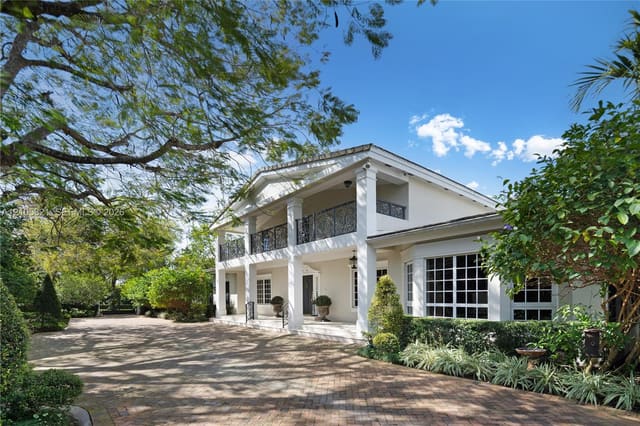
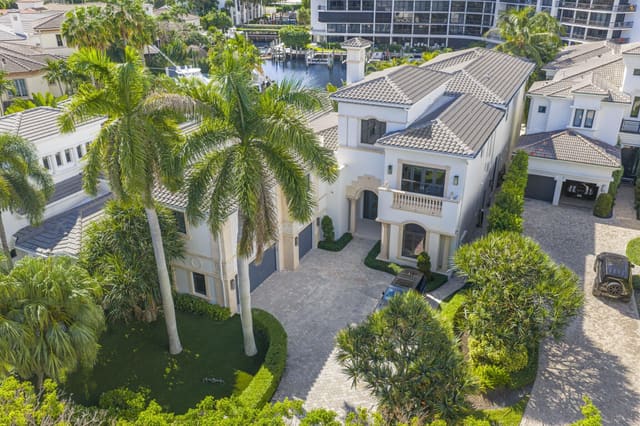
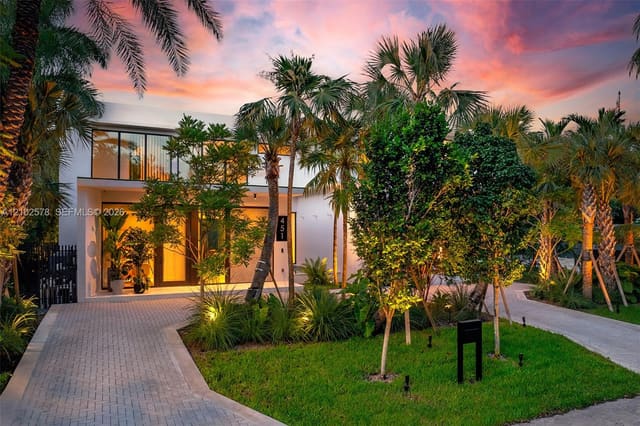
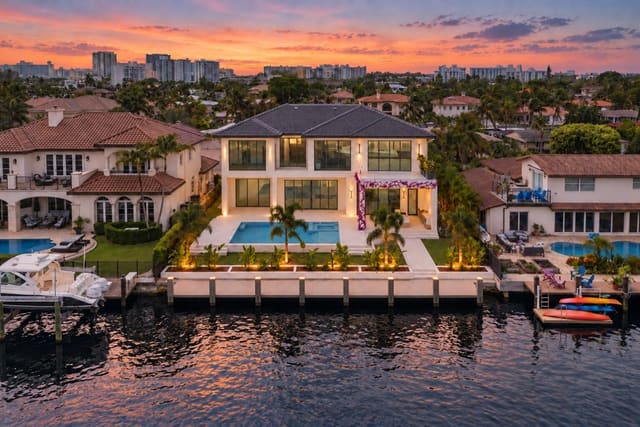
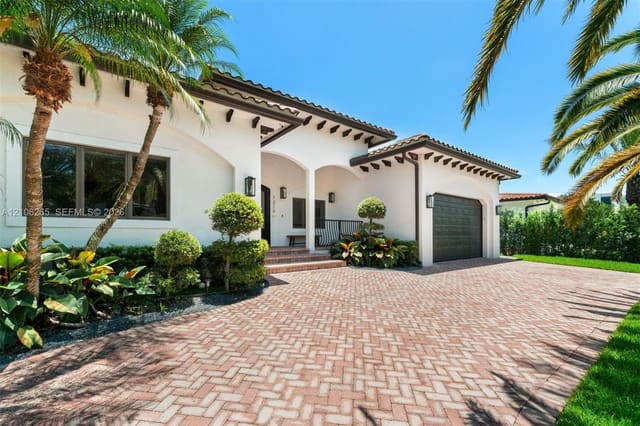

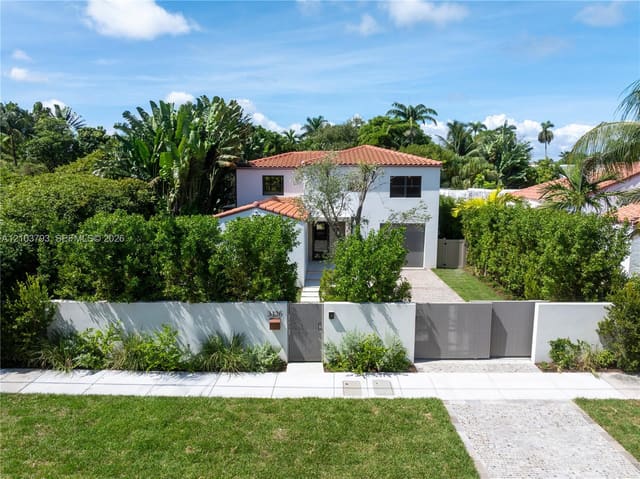
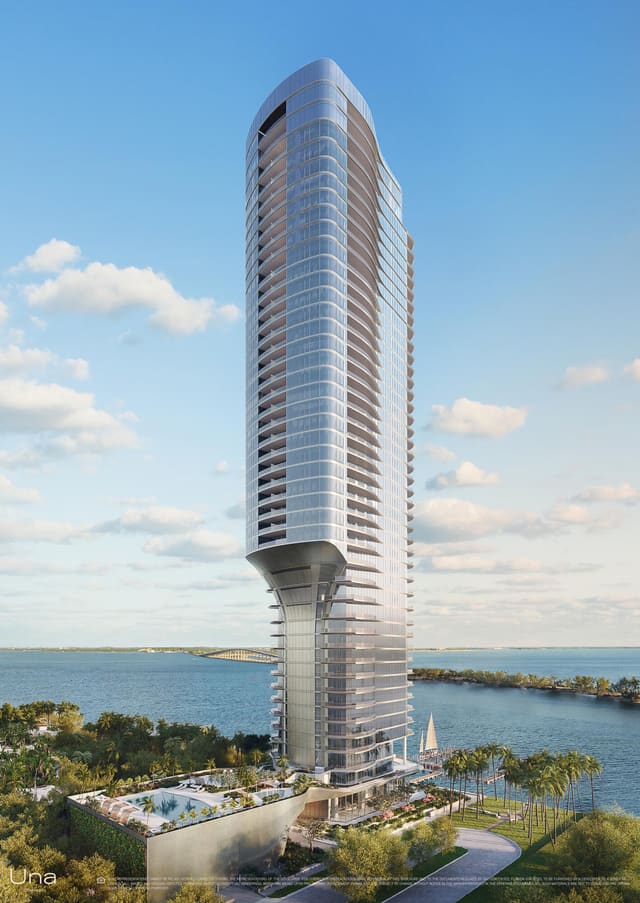
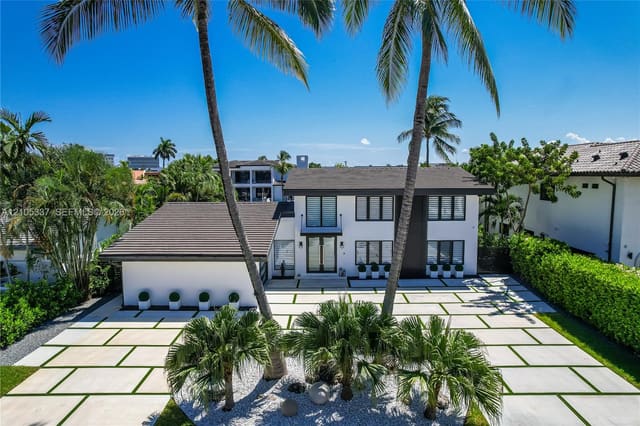
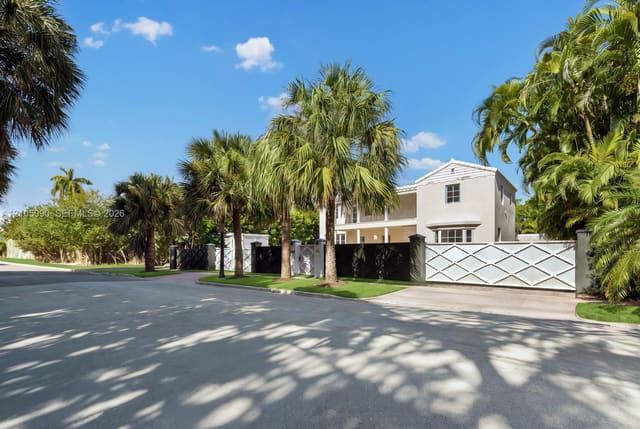
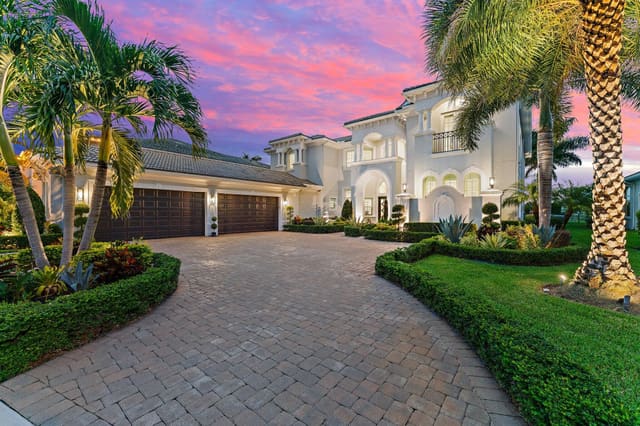
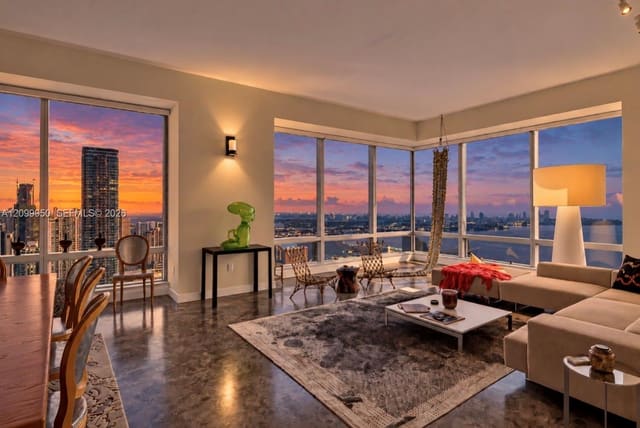
Stay Ahead of the Market
Tell us what you're looking for and we'll send matches as they hit the market.
Explore by County
Featured Communities
Beachfront in South Florida
Beachfront: What to Know
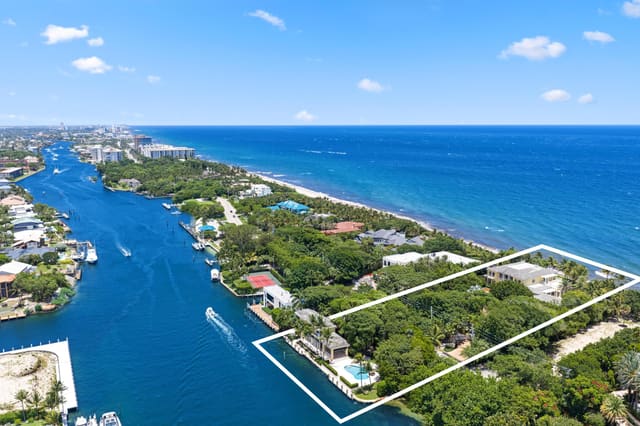
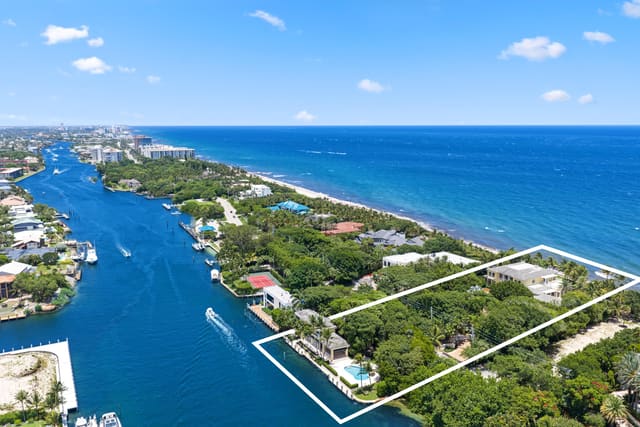
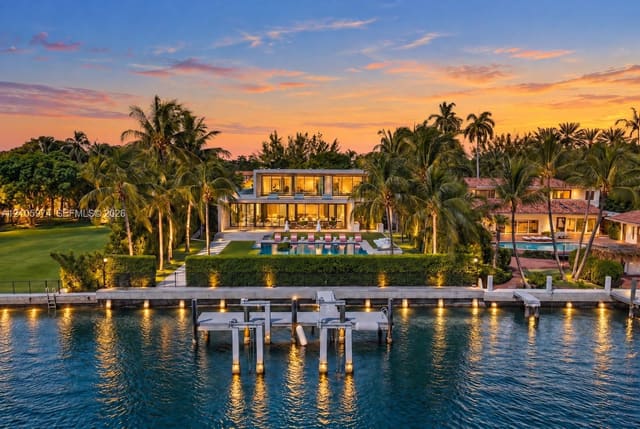
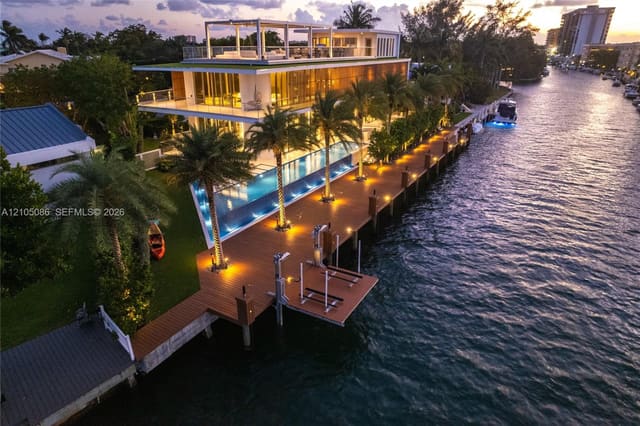
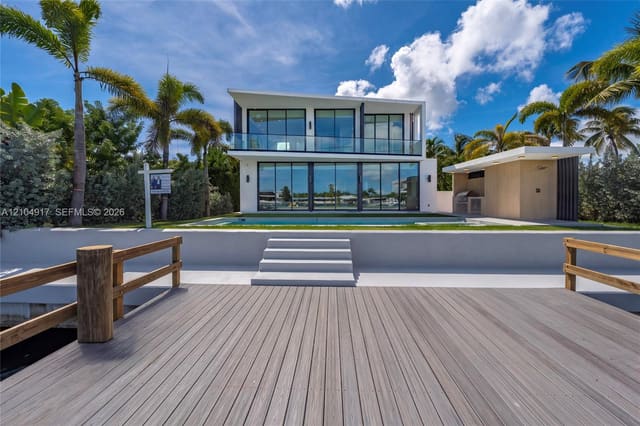
Beach houses for sale in Florida span everything from modest coastal condos to trophy estates, and on the Atlantic coast of South Florida this beachfront property is the top of the market. It comes in a few forms: oceanfront single-family estates on the barrier islands, direct-oceanfront condos in towers along the sand, and homes with deeded or community beach access a short walk away. The appeal is obvious, with private or near-private access to the ocean, unobstructed water views, and some of the most sought-after addresses in Palm Beach, Broward, Miami-Dade, and the Treasure Coast. These are also among the most regulated and most expensive homes to own and insure, so going in informed matters. The difference between true direct-oceanfront and a home with shared or deeded access is large in both price and lifestyle, and it is worth being precise about which one a listing actually offers before you tour it.
Living directly on the ocean means building to a higher standard. Homes seaward of the state's Coastal Construction Control Line face stricter permitting for new construction, additions, and even some renovations, with engineering for wind, wave, and erosion forces. Florida's building code already demands impact-rated windows and doors and hardened roofs, and that is doubly true on the beach, where salt air and storm exposure are relentless on everything from window frames to AC units to railings. When you tour an oceanfront home, ask about the age and rating of the windows, the roof, and the seawall or dune protection, and whether past storm permits and repairs were properly closed out with the building department. Open or expired permits can stall your own future projects and complicate a resale, so they are worth catching during due diligence.
Flood zones and insurance are the defining cost of beachfront ownership. Direct oceanfront parcels usually sit in high-risk flood zones, including VE zones subject to wave action, where elevation and construction type drive both your flood premium and your eligibility for coverage. You will typically carry flood coverage along with a separate windstorm policy, and on a high-value home the combined premiums are substantial and have been rising. An elevation certificate tells you and your insurer exactly where the home stands relative to base flood elevation, and it is one of the first documents to request. Get actual insurance quotes during your inspection period rather than estimates, because the annual cost can be large enough to change which home, or which price, makes sense for you.
Erosion and shoreline protection are ongoing realities, not one-time concerns. The beach in front of your home moves with storms and seasons, and many stretches of the coast rely on periodic beach renourishment programs funded by the county or a local district, sometimes with state and federal cost sharing. Properties protected by seawalls, revetments, or maintained dunes need that protection kept in good repair, which is an owner cost on a single-family estate and an association cost in a condo. Ask whether the property is in a renourishment district, what the seawall's age and condition are, and whether any shoreline armoring was permitted when it was built. A failing seawall or an eroding dune line is expensive to address and heavily regulated, so it belongs near the top of your inspection list, not the bottom.
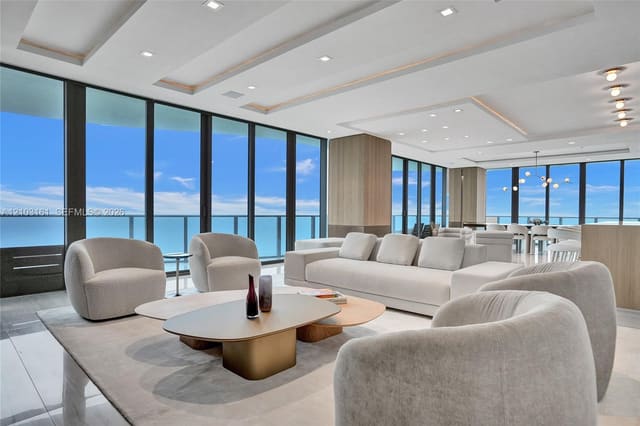
For oceanfront condos, everything in our condos guidance applies with the volume turned up. Coastal towers face the milestone structural inspections, the post-Surfside reserve funding rules, and the highest master insurance premiums in the state, all of which flow into your dues and any special assessments. Concrete restoration on an aging beachfront building can run into serious money, and owners feel it directly. The payoff is a lock-and-leave oceanfront lifestyle without personally maintaining a seawall, a roof, or a pool deck. The homework is the same as for any condo, only more important: read the reserve study, check the milestone inspection status and any flagged repairs, confirm the master policy is adequate, and understand the rental and pet rules before you buy.
Pure Equity guides buyers through the parts of a beachfront purchase that are easy to underestimate, from elevation certificates and flood and wind insurance quotes to seawall condition, renourishment districts, and coastal construction permitting. For oceanfront condos we review the association's reserves, inspection record, and insurance the same way we do for any building, only more carefully given the exposure. We help you read a high carrying cost honestly against the value and resale strength of a scarce, irreplaceable location. Whether you want a private oceanfront estate or a direct-beach tower residence, we help you weigh the true cost of ownership against one of the best lifestyles the state offers.
Questions
Beachfront: Frequently asked questions
How much does insurance cost on a beachfront home?
It is among the highest in Florida because oceanfront homes combine high value with high-risk flood and wind exposure. You typically carry both flood and windstorm coverage, and premiums depend heavily on elevation, roof age, construction, and impact protection. Get real quotes during your inspection period, since the number can materially change your budget.
What is the Coastal Construction Control Line?
It is a state-regulated line that marks where stricter coastal building rules begin. Construction, additions, and some renovations seaward of it require special permitting and engineering for wind, wave, and erosion forces. If a home or planned project sits seaward of this line, expect a more involved approval process and confirm past work was properly permitted.
What is a VE flood zone?
A VE zone is a high-risk coastal flood area subject to wave action, common on direct oceanfront parcels. Homes in VE zones face the strictest elevation and construction requirements and the highest flood premiums. An elevation certificate shows how the home sits relative to base flood elevation and is essential for understanding both cost and compliance.
Who pays for beach erosion and renourishment?
Wide-scale beach renourishment is usually funded through county or special-district programs, sometimes with state and federal cost sharing. Shoreline armoring directly protecting your lot, such as a seawall or revetment, is generally the owner's responsibility on a single-family home or the association's in a condo. Ask whether the property is in a renourishment district.
Do I own the beach in front of my house?
Generally no. In Florida, land seaward of the mean high water line is public, so the wet sand and ocean are public even in front of private oceanfront homes. Your deed may run to the high water line, and access above it varies by parcel. Confirm exact boundaries and any public access easements with a survey and title review.
Is a seawall required for an oceanfront home?
Not always, since some properties rely on natural dunes or beach width instead. Where a seawall, revetment, or other armoring exists, its age and condition are a major inspection item, and rebuilding or permitting new armoring is heavily regulated. Always inspect existing shoreline protection and budget for its long-term upkeep before buying.
Keep Exploring
More Ways to Search South Florida
Thinking of Selling?
What is your South Florida home worth?
Online estimates miss what makes a home different. Tell us about yours and a licensed listing agent will send you a pricing opinion based on what has actually closed near you in South Florida.
Listing agents and seller representation in South Florida
Thinking about selling in South Florida? The agent you pick shapes two numbers: what your home closes for, and how long it takes. A listing agent, also called a seller's agent, prices the property against what has actually closed nearby. They also prepare and market it, screen the offers that arrive, and negotiate the terms rather than just the price.
Conditions in South Florida sit close to balanced, which rewards sellers who price against real closed sales instead of neighboring asking prices.
South Florida is not one market. Coastal and inland behave differently, and so do new construction and 1970s stock. Condo sellers face an extra layer, because association finances and reserve funding affect what buyers can borrow.
Pure Equity is a licensed Florida brokerage serving all eight of the South Florida counties we cover. Onias Derilus is the broker of record, Florida Real Estate Broker license BK3276618. A broker holds a higher license than an agent working under one. In practice that means the person advising you on price is also the one legally responsible for the file. That matters most when a deal gets complicated.
More on this: what is an exclusive right of sale listing? · selling when you owe more than the house is worth
Realtors and real estate agents serving South Florida
People search for realtors, real estate agents, and real estate brokers more or less interchangeably. For most purposes the job title matters less than licensing and representation. Every licensed agent in Florida works under a broker. That broker carries final responsibility for the transaction.
What separates real estate professionals in South Florida is specificity. Can they answer questions about your street, not just your city? Ask what they have closed nearby and how they arrived at a price. A grounded answer cites particular recent sales. It also explains why those homes compare to yours. Vague reassurance is the warning sign.
More on this: home value after a renovation: what actually adds · how waterfront homes are valued · when and how to price your home
Buyer's agents in South Florida
A buyer's agent represents the purchaser rather than the owner. They identify properties that actually fit and research what comparable homes sold for, not what they asked. They also advise on offer strategy. Finally, they manage inspection and financing deadlines through to closing.
Where buyers have room to negotiate, as they do in South Florida, the leverage is only worth something if you know where it exists and what to ask for. If you are buying and selling at the same time, which is common for people moving within South Florida, sequencing the two is its own skill: contingencies, timing, and what happens if one closing slips all need planning before either home goes on the market.
What representation costs
Real estate commissions are negotiable. No law, multiple listing service, or association sets them. If an agent tells you there is a standard rate, they are misinforming you. What you pay is agreed between you and the brokerage you hire. Get it in writing before the work begins.
Industry rules changed in 2024. Now a buyer and their agent must put compensation in a written buyer agreement before touring homes together. Sellers may still offer to contribute toward the buyer's side. However, that is negotiated rather than assumed. It is worth thinking through with your listing agent before you go live.
More on this: how commission is actually structured · what you actually walk away with · seller concessions, and when to offer them
Buying Instead?
Search South Florida with someone local
We will tell you which listings are worth your time, what comparable homes actually closed for, and how to structure an offer that holds up through inspection and financing.
Frequently asked questions
How do I find a listing agent in South Florida?
Ask any listing agent you interview two questions. Which homes have they closed near South Florida, and how did they arrive at their suggested price? A grounded answer names recent closed sales. It also explains why those homes compare to yours. Optimistic pricing costs sellers more than almost any other decision. Verify the license too. Florida licenses are public and searchable through the state's DBPR portal. Pure Equity is a licensed brokerage serving South Florida. You can reach the broker directly at (561) 835-5400.
What does a seller's agent actually do?
A seller's agent prices the home against comparable closed sales. Before it goes live, they advise on repairs and presentation. Then they handle photography and marketing, and put the home in front of buyers and other agents. When offers arrive, they screen them and negotiate both price and terms. Terms matter as much as the number, because inspection windows, financing contingencies, and closing dates all affect whether an offer reaches the closing table.
How much does a real estate agent cost in South Florida?
Commissions are fully negotiable. No law or real estate board sets them. What you pay is whatever you and your brokerage agree to in writing before work begins. Since the 2024 rule changes, buyers and their agents must agree compensation in a written buyer agreement before touring homes. Any seller contribution toward the buyer's side is negotiated rather than automatic. Ask any agent you interview to put their fee in writing.
What is the difference between a realtor, a real estate agent, and a broker?
A real estate agent holds a state license to represent buyers and sellers. A broker holds a higher-level license and can operate a brokerage. That broker also carries final legal responsibility for the office's transactions. Realtor is a membership term for agents belonging to the National Association of Realtors. For someone buying or selling in South Florida, three practical questions matter. Is the person licensed, who do they represent in your transaction, and what can they actually tell you about your local market?
Do I need an agent to buy a home in South Florida?
You are not legally required to use one, but most buyers in South Florida do. A buyer's agent handles the parts that are easy to get wrong. That means identifying what comparable homes actually closed for, spotting condition or association issues early, and managing inspection and financing deadlines. Even in a slower market, negotiating room is only useful if you know where it exists.
Can one agent help me sell my current home and buy the next one?
Yes. For people moving within South Florida it is often the more practical route, because one person coordinates both timelines. Sequencing is the hard part. Should your purchase be contingent on your sale? How would you cover a gap if the closings do not line up? What happens if one side is delayed? Plan all of that before either home is listed, rather than after an offer arrives.
Keep Reading
More from Pure Equity
- Behind on mortgage
- Blog
- Buy
- Buyer closing costs
- Buyers agent
- Buying a condo in florida
- Casas moviles
- Commercial land
- Condos
- Condos under 200k