
South Florida
Pool Homes for Sale in South Florida
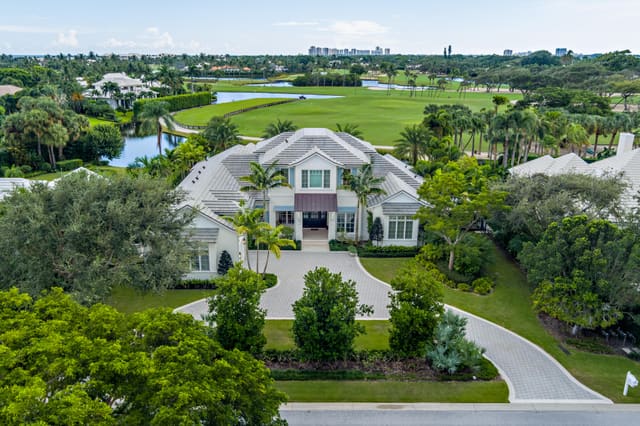
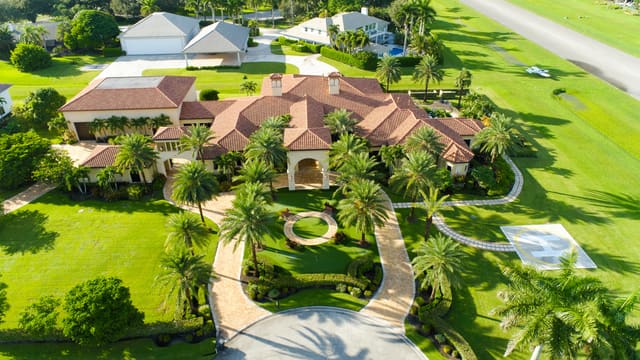
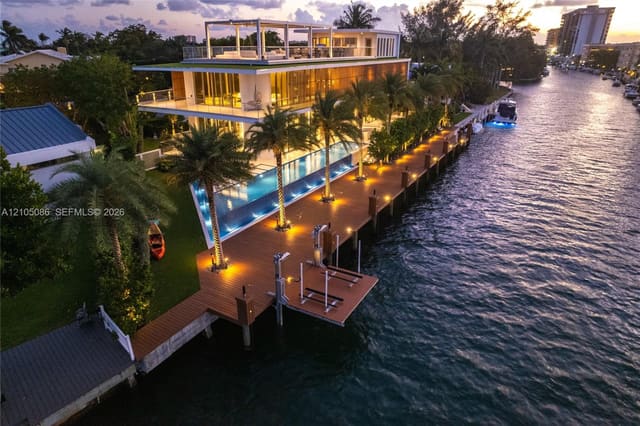
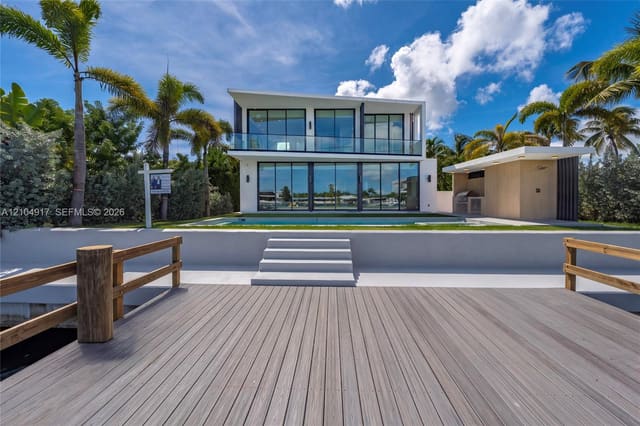
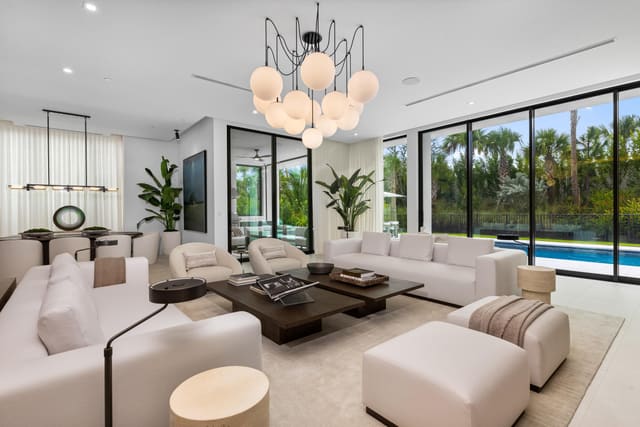
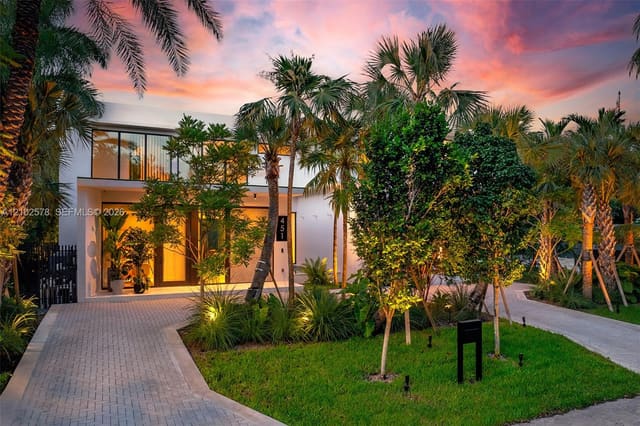
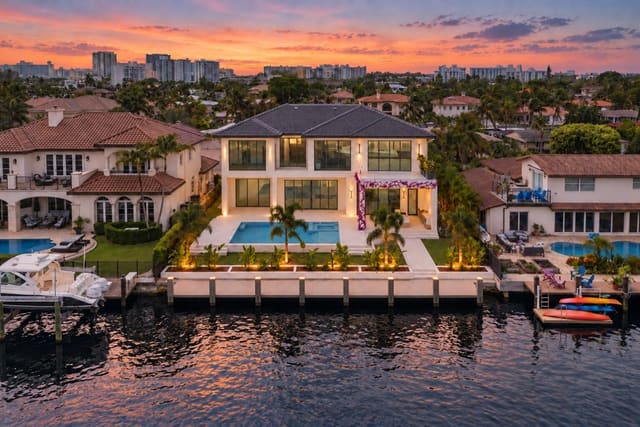
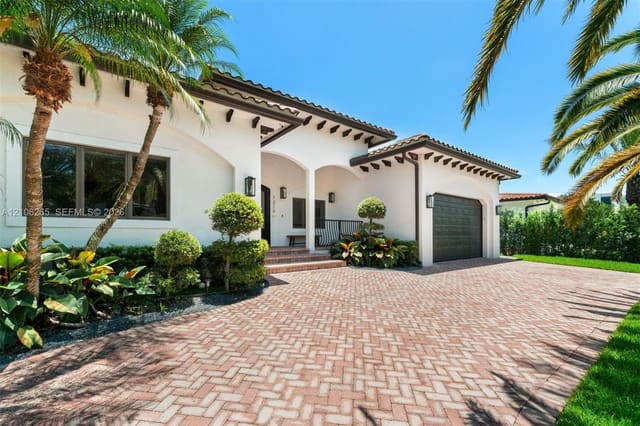
Private pool homes across South Florida, from screened lanais to resort-style backyards built for year-round swimming.
Get Listings Alerts
Be the first to know when a new pool homes listing hits the market in South Florida.
Browse
Pool Homes in South Florida






Stay Ahead of the Market
Tell us what you're looking for and we'll send matches as they hit the market.
Explore by County
Featured Communities
Pool Homes in South Florida
Pool Homes: What to Know
A private pool fits South Florida living about as naturally as anything can. With warm weather most of the year, a backyard pool gets used in seasons that would close it down anywhere up north, which is a large part of why pool homes hold strong appeal here for both buyers and renters. This collection is for anyone who wants their own water, whether that means a screened lanai for laps before work, a place for the kids and grandkids, or simply the lifestyle that comes with stepping out the back door into a pool deck.
Pool homes suit a wide range of buyers, but they are not maintenance-free, and it helps to know what you are taking on. A pool needs steady attention: balancing chemistry, brushing and skimming, cleaning the filter, and keeping the water circulating. Many South Florida owners hire a weekly pool service, which is a recurring cost worth budgeting alongside the mortgage and insurance. Equipment ages, too. Pumps, heaters, and salt systems wear out, and a tired pump can quietly run up an electric bill before it finally fails.
One item every Florida pool buyer should understand is the variable-speed pump. State energy rules now require variable-speed pumps on most residential pools rather than the old single-speed motors, because they use far less electricity. If you are looking at an older home, check whether the pool equipment has already been upgraded; if not, a replacement is likely in your future, and it is a fair point to raise during negotiation. The upside is real, since a variable-speed pump can cut pool energy use substantially over a single-speed unit.
Screen enclosures are the other South Florida signature. A pool cage keeps out leaves, debris, and mosquitoes, cuts down on cleaning, and offers some shade and a barrier against falling fronds. Screens take a beating in storms, though, so inspect the cage and its anchors, and ask whether the panels and frame have been repaired or replaced after recent hurricane seasons. Re-screening a large enclosure is not cheap, and storm damage to a cage is a common post-season expense in this region.
Safety is not optional. Florida law requires a residential pool to have at least one approved safety barrier, such as a fence meeting code, an approved pool cover, exit alarms on doors leading to the pool, or self-closing and self-latching gates. If a home was built or the pool added under these rules, those features should already be in place; if you are buying an older property, confirm the barrier complies, especially if you have young children. A home inspector and your agent can flag what is missing before closing.
On value, pool homes generally command a premium and appeal to a deep pool of buyers when it comes time to resell, particularly in family neighborhoods and warmer inland counties where a pool is close to expected. That premium is not automatic, though, since a pool in poor shape, an outdated finish, or a deck that needs resurfacing can offset the appeal. Pure Equity helps buyers across our eight counties read the true condition and cost of a pool home, factor equipment age and screen repairs into the offer, and find properties where the pool adds real enjoyment and lasting value. If you are selling a pool home, we know how to present it so the feature works in your favor.
Questions
Pool Homes: Frequently asked questions
How much does it cost to maintain a pool in Florida?
Costs vary by pool size and whether you hire help. Many owners pay a weekly pool service plus chemicals, and electricity to run the pump, with heating and equipment repairs on top. Budgeting for routine service, periodic equipment replacement, and occasional screen repair gives a realistic picture of ongoing cost.
Do Florida pools require a variable-speed pump?
State energy rules now require variable-speed pumps on most residential pools instead of older single-speed motors, because they use far less electricity. On an older home, check whether the equipment has been upgraded. If not, plan for a replacement and consider raising it during negotiation with the seller.
What pool safety features does Florida law require?
Florida requires at least one approved safety barrier for residential pools. Options include a code-compliant fence, an approved safety cover, exit alarms on doors leading to the pool, or self-closing and self-latching gates. A home inspector can confirm whether an existing pool meets the requirement before you close.
Is a screen enclosure worth it?
For many owners, yes. A screen cage keeps out leaves, debris, and mosquitoes, reduces cleaning, and adds shade. The tradeoff is storm exposure, since cages can be damaged in hurricanes. Inspect the frame and anchors, and ask whether panels were repaired after recent storm seasons before you buy.
Does a pool add value to a Florida home?
In South Florida a pool usually adds appeal and widens the buyer pool, especially in family areas and warmer inland counties where pools are common. The premium depends on condition. A well-kept pool with updated equipment adds more than one needing resurfacing or repairs, which can offset the gain.
Should I get the pool inspected before buying?
Yes. A pool inspection, often separate from the general home inspection, checks the pump, heater, filter, surface, deck, and safety barrier. It can reveal aging equipment or leaks that are costly to fix. Knowing the pool's real condition lets you negotiate repairs or price before closing.
Related Reading
Pool Homes: From the Journal
Home Selling Tips · October 1, 2026
Does a Pool Add Value to a Palm Beach County Home?
A pool often helps a Palm Beach County home sell, but it rarely adds a fixed amount. Here is what the data shows by price tier, plus upkeep, safety and insurance costs.
Home Selling Tips · October 1, 2026
Bedroom Doors to the Pool Deck and Egress Windows: Florida Safety Rules Buyers and Sellers Should Know
A slider from the bedroom to the pool is a South Florida favorite, but it brings Florida pool safety rules and egress code into play. Here is what buyers and sellers should check.
Home Improvement · October 1, 2026
Pool Landscaping Ideas for Florida Homes: Plants, Shade and Pavers Buyers Love
Salt-tolerant plants, real shade, cool pavers and a well-kept pool cage make a Florida backyard easier to live with and easier to sell. Here is what UF/IFAS recommends and what Florida law requires.
Thinking of Selling?
What is your South Florida home worth?
Online estimates miss what makes a home different. Tell us about yours and a licensed listing agent will send you a pricing opinion based on what has actually closed near you in South Florida.
Listing agents and seller representation in South Florida
Thinking about selling in South Florida? The agent you pick shapes two numbers: what your home closes for, and how long it takes. A listing agent, also called a seller's agent, prices the property against what has actually closed nearby. They also prepare and market it, screen the offers that arrive, and negotiate the terms rather than just the price.
Conditions in South Florida sit close to balanced, which rewards sellers who price against real closed sales instead of neighboring asking prices.
South Florida is not one market. Coastal and inland behave differently, and so do new construction and 1970s stock. Condo sellers face an extra layer, because association finances and reserve funding affect what buyers can borrow.
Pure Equity is a licensed Florida brokerage serving all eight of the South Florida counties we cover. Onias Derilus is the broker of record, Florida Real Estate Broker license BK3276618. A broker holds a higher license than an agent working under one. In practice that means the person advising you on price is also the one legally responsible for the file. That matters most when a deal gets complicated.
More on this: what is an exclusive right of sale listing? · selling when you owe more than the house is worth
Realtors and real estate agents serving South Florida
People search for realtors, real estate agents, and real estate brokers more or less interchangeably. For most purposes the job title matters less than licensing and representation. Every licensed agent in Florida works under a broker. That broker carries final responsibility for the transaction.
What separates real estate professionals in South Florida is specificity. Can they answer questions about your street, not just your city? Ask what they have closed nearby and how they arrived at a price. A grounded answer cites particular recent sales. It also explains why those homes compare to yours. Vague reassurance is the warning sign.
More on this: home value after a renovation: what actually adds · how waterfront homes are valued · when and how to price your home
Buyer's agents in South Florida
A buyer's agent represents the purchaser rather than the owner. They identify properties that actually fit and research what comparable homes sold for, not what they asked. They also advise on offer strategy. Finally, they manage inspection and financing deadlines through to closing.
Where buyers have room to negotiate, as they do in South Florida, the leverage is only worth something if you know where it exists and what to ask for. If you are buying and selling at the same time, which is common for people moving within South Florida, sequencing the two is its own skill: contingencies, timing, and what happens if one closing slips all need planning before either home goes on the market.
What representation costs
Real estate commissions are negotiable. No law, multiple listing service, or association sets them. If an agent tells you there is a standard rate, they are misinforming you. What you pay is agreed between you and the brokerage you hire. Get it in writing before the work begins.
Industry rules changed in 2024. Now a buyer and their agent must put compensation in a written buyer agreement before touring homes together. Sellers may still offer to contribute toward the buyer's side. However, that is negotiated rather than assumed. It is worth thinking through with your listing agent before you go live.
More on this: how commission is actually structured · what you actually walk away with · seller concessions, and when to offer them
Buying Instead?
Search South Florida with someone local
We will tell you which listings are worth your time, what comparable homes actually closed for, and how to structure an offer that holds up through inspection and financing.
Frequently asked questions
How do I find a listing agent in South Florida?
Ask any listing agent you interview two questions. Which homes have they closed near South Florida, and how did they arrive at their suggested price? A grounded answer names recent closed sales. It also explains why those homes compare to yours. Optimistic pricing costs sellers more than almost any other decision. Verify the license too. Florida licenses are public and searchable through the state's DBPR portal. Pure Equity is a licensed brokerage serving South Florida. You can reach the broker directly at (561) 835-5400.
What does a seller's agent actually do?
A seller's agent prices the home against comparable closed sales. Before it goes live, they advise on repairs and presentation. Then they handle photography and marketing, and put the home in front of buyers and other agents. When offers arrive, they screen them and negotiate both price and terms. Terms matter as much as the number, because inspection windows, financing contingencies, and closing dates all affect whether an offer reaches the closing table.
How much does a real estate agent cost in South Florida?
Commissions are fully negotiable. No law or real estate board sets them. What you pay is whatever you and your brokerage agree to in writing before work begins. Since the 2024 rule changes, buyers and their agents must agree compensation in a written buyer agreement before touring homes. Any seller contribution toward the buyer's side is negotiated rather than automatic. Ask any agent you interview to put their fee in writing.
What is the difference between a realtor, a real estate agent, and a broker?
A real estate agent holds a state license to represent buyers and sellers. A broker holds a higher-level license and can operate a brokerage. That broker also carries final legal responsibility for the office's transactions. Realtor is a membership term for agents belonging to the National Association of Realtors. For someone buying or selling in South Florida, three practical questions matter. Is the person licensed, who do they represent in your transaction, and what can they actually tell you about your local market?
Do I need an agent to buy a home in South Florida?
You are not legally required to use one, but most buyers in South Florida do. A buyer's agent handles the parts that are easy to get wrong. That means identifying what comparable homes actually closed for, spotting condition or association issues early, and managing inspection and financing deadlines. Even in a slower market, negotiating room is only useful if you know where it exists.
Can one agent help me sell my current home and buy the next one?
Yes. For people moving within South Florida it is often the more practical route, because one person coordinates both timelines. Sequencing is the hard part. Should your purchase be contingent on your sale? How would you cover a gap if the closings do not line up? What happens if one side is delayed? Plan all of that before either home is listed, rather than after an offer arrives.
Keep Reading
More from Pure Equity
- Preparing to sell your home
- Price reduced
- Probate and inherited property
- Property management
- Raw land
- Recently sold homes
- Relocation
- Reviewing offers
- Rural land
- Schools