
South Florida
Condos for Sale Under $200,000 in South Florida
The largest pool of affordable homes in the region, from coastal 55-and-over communities to garden condos across Palm Beach, Broward, and Miami-Dade under $200,000.
Get Listings Alerts
Be the first to know when a new condos under $200k listing hits the market in South Florida.
Browse
Condos Under $200K in South Florida


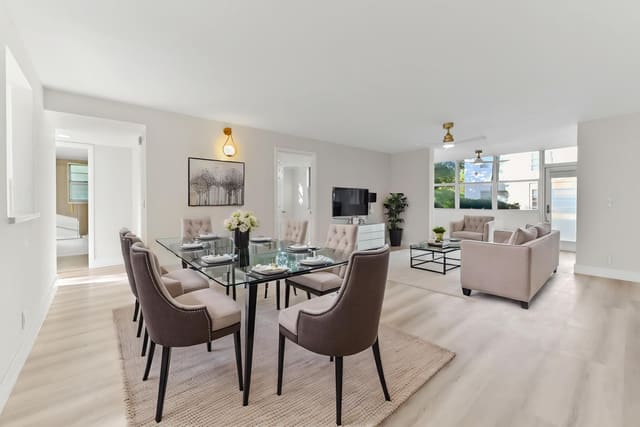
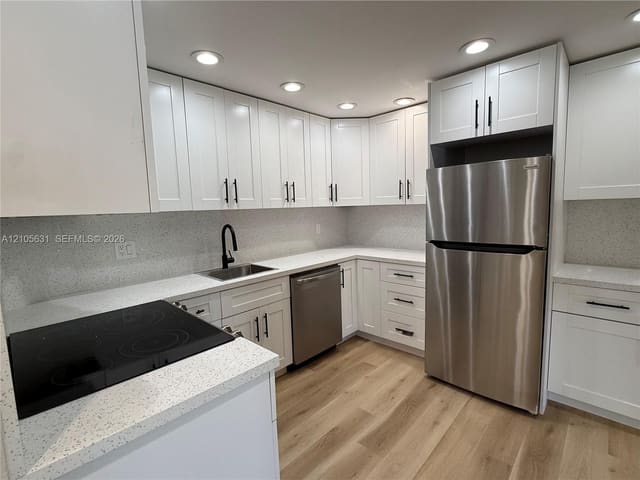
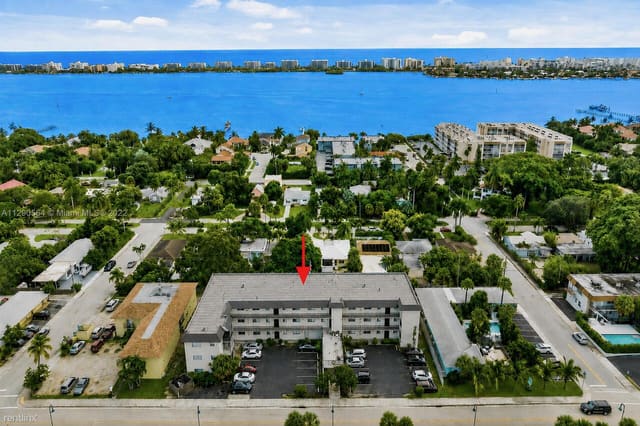
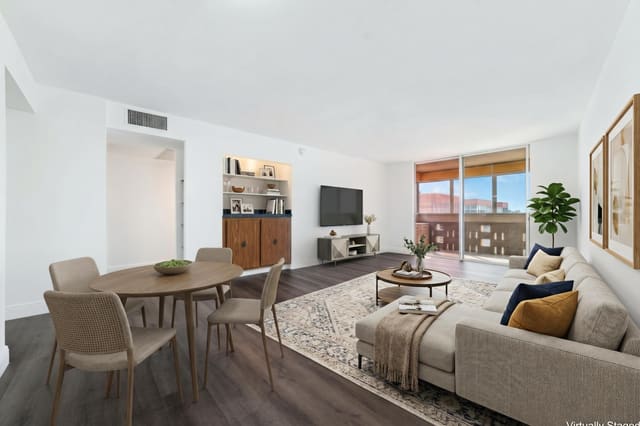
Stay Ahead of the Market
Tell us what you're looking for and we'll send matches as they hit the market.
Explore by County
Featured Communities
Condos Under $200K in South Florida
Condos under $200,000 in South Florida
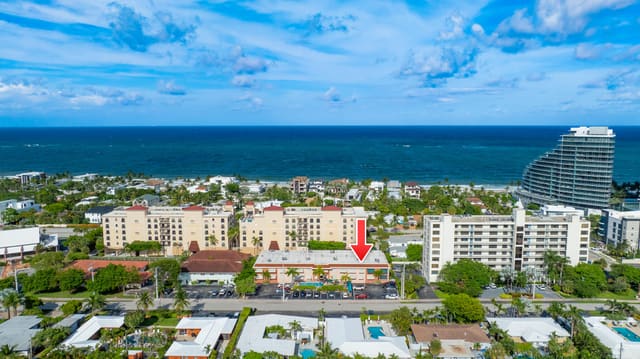
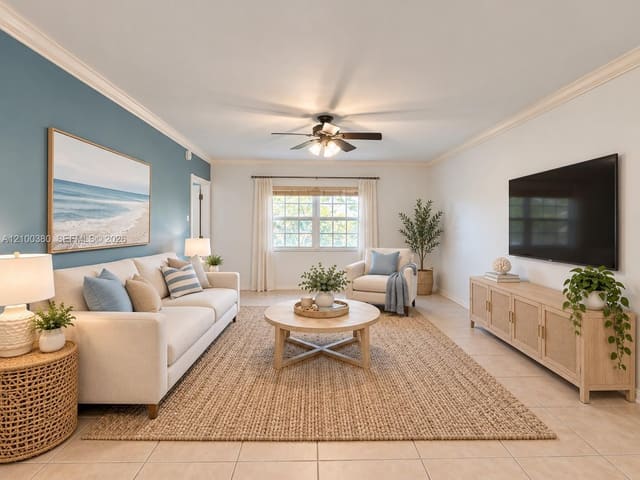
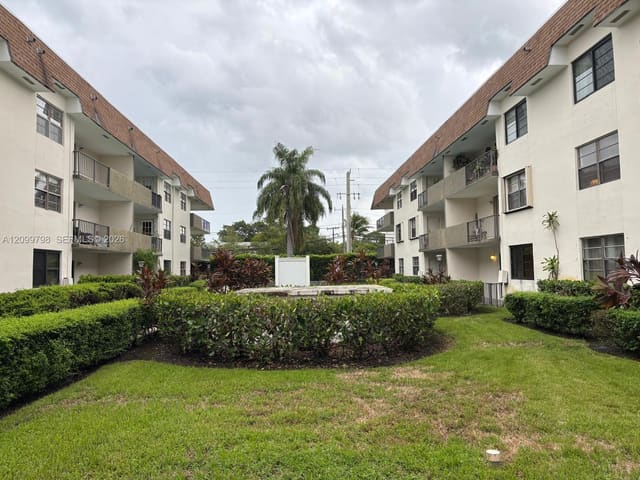
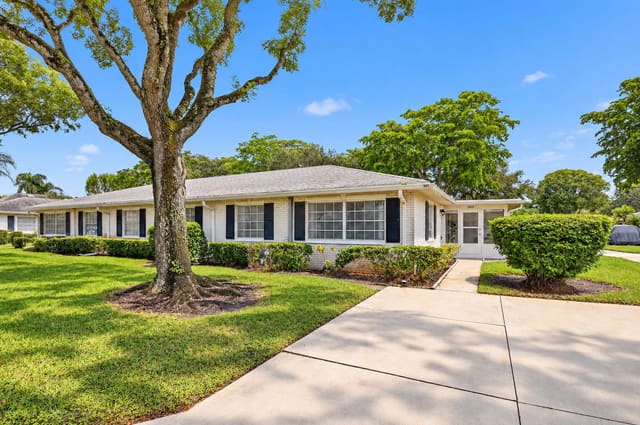
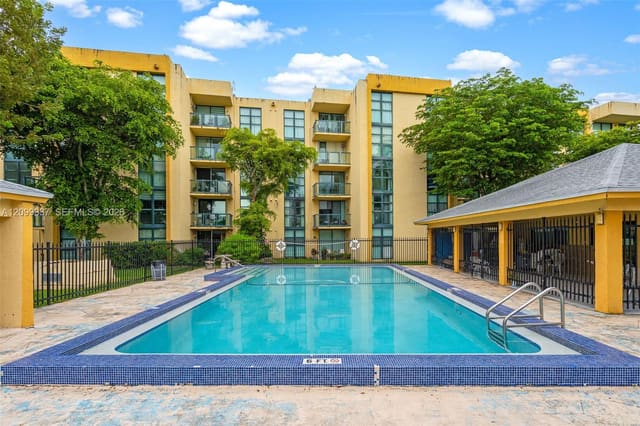
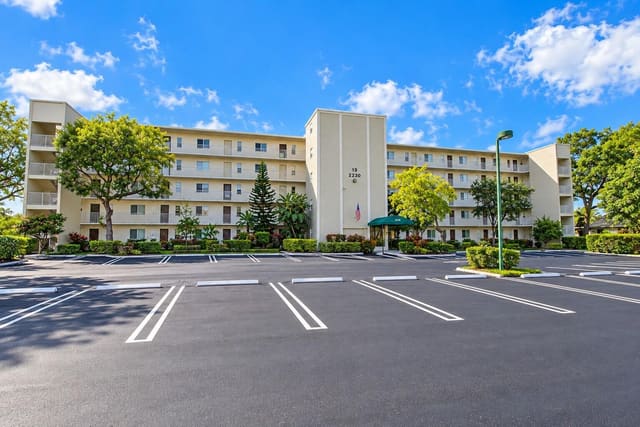
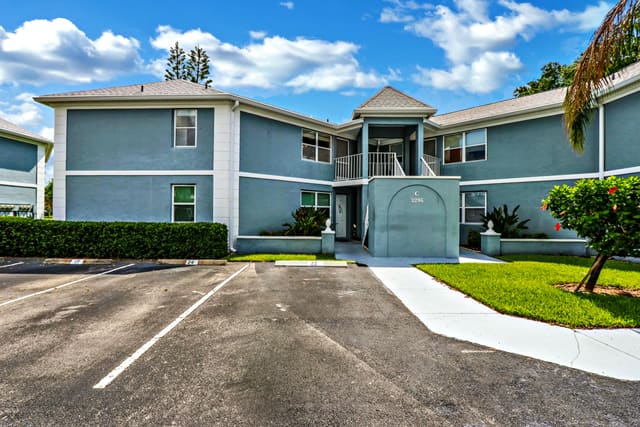
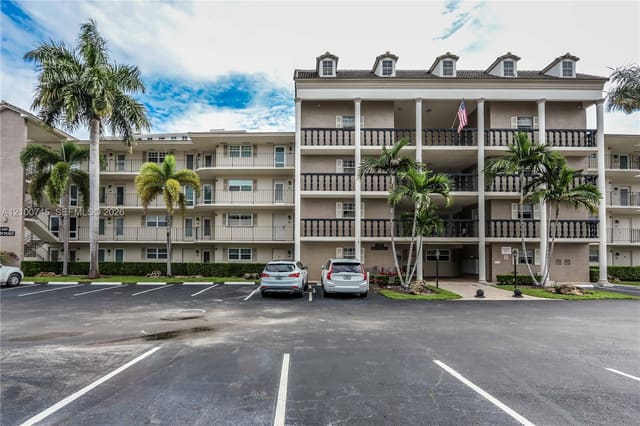
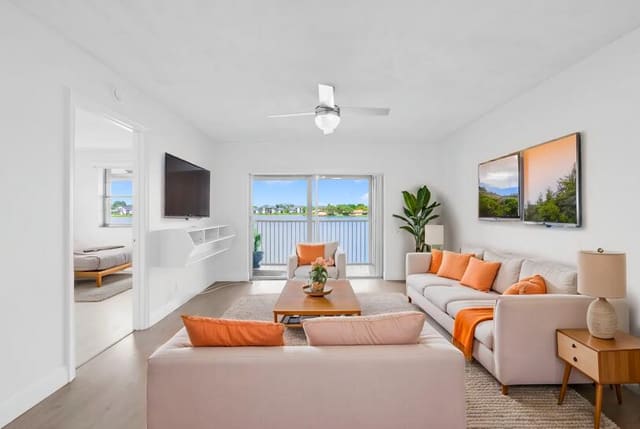
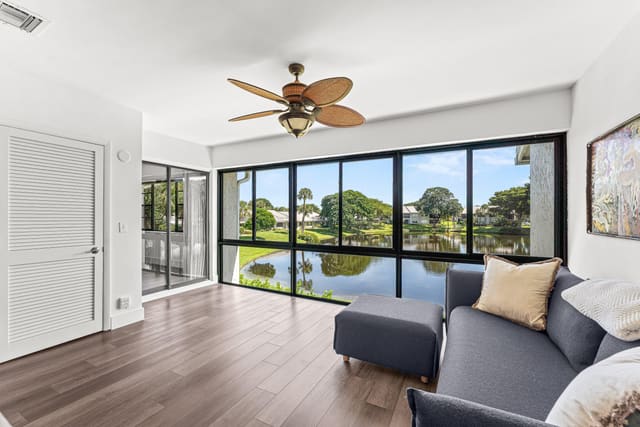
Condos are the backbone of affordable South Florida real estate, and under $200,000 they are the single largest pool of homes in the region, with more than 22,000 active listings across the eight counties we serve. Buyers here are first-timers who want to own instead of rent, retirees and snowbirds after a low-maintenance second home, and investors chasing rental yield. The lifestyle is the draw, with lock-and-leave convenience, shared amenities like pools and clubhouses, and locations near the coast and downtowns that a house at the same price could never reach.
Where to find condos under 200k, county by county
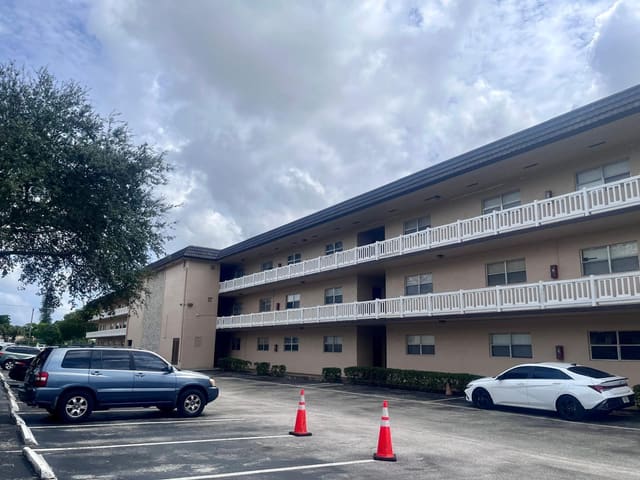
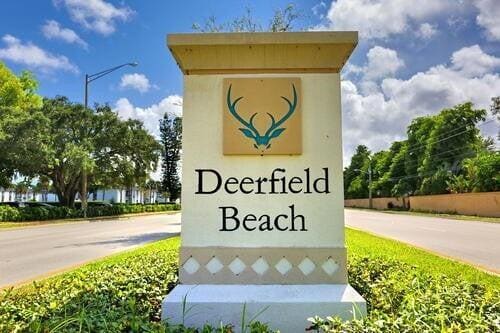
Affordable condos concentrate in well-known communities. Palm Beach County has the enormous 55-and-over developments, Century Village in West Palm Beach, Boca Raton, and Deerfield Beach, and Kings Point in Delray Beach, plus the garden condos around Lake Worth Beach, Greenacres, and Boynton Beach. Broward's supply runs through Sunrise, Tamarac, Lauderhill, Margate, and Pompano Beach. Miami-Dade has older condos in Kendall, Hialeah, and North Miami. Many of the lowest prices sit in age-restricted 55-and-over buildings, which is a feature for qualifying buyers and a limitation for younger ones.
Condo safety law and older buildings
Since the Surfside collapse, Florida has overhauled condo safety law, and it hits older, cheaper buildings hardest. Condominiums of three or more stories must complete milestone structural inspections, and associations must fund a structural integrity reserve study covering the roof, structure, waterproofing, and other major systems, with reserves that can no longer be waived. For a buyer, this changes everything about a low-priced unit. A building that postponed repairs for decades may now be levying special assessments of tens of thousands of dollars per owner and raising monthly dues sharply. The list price can be the smallest number in the deal.
What to check before buying a cheap condo
Because of all this, the association's paperwork matters more than the paint colors. Before you commit, we obtain and read the milestone inspection and reserve study, the last year of board meeting minutes, the current budget and reserve balances, any notice of special assessments, and the rules on leasing, pets, and age. We also check the building's insurance and any pending litigation. A well-run association with funded reserves and a clean inspection is worth paying a little more for. A cheap unit in a troubled building can become a money pit that is also hard to resell.
Financing a condo under 200k
Condo financing depends on the whole building, not just your unit. Fannie Mae, Freddie Mac, and FHA maintain approval standards and confidential do-not-lend lists, and a project with low reserves, deferred maintenance, litigation, or too many rentals can be non-warrantable, forcing buyers into large down payments or cash. That also shrinks your future buyer pool. Investors need to check rental caps and minimum-lease rules, which are common and can forbid the short-term or even annual renting the numbers depend on. Some of the cheapest listings are co-ops or land-lease properties, which finance differently and carry their own rules.
How we help you buy an affordable condo
Pure Equity specializes in helping buyers navigate exactly these details, because an affordable condo is only a good deal if the building behind it is sound. We separate the well-managed communities with funded reserves and reasonable dues from the ones staring down a major assessment or a warrantability problem, and we make sure the rules on age, pets, and leasing fit your plans before you write an offer. Tell us whether you want a home, a seasonal place, or a rental, and we will find the condos under $200,000 that hold up under scrutiny.
Questions
Condos Under $200K: Frequently asked questions
Are condos under $200,000 in South Florida a good deal?
They can be, but the building matters as much as the unit. A well-run association with a clean milestone inspection, funded reserves, and reasonable dues can be an excellent value. A cheap unit in a building facing a large special assessment or a failed inspection can cost far more than the list price suggests. Always review the association's financials and reports first.
What is a structural integrity reserve study and why does it matter?
It is a state-required study for condo buildings of three or more stories that identifies major components like the roof, structure, and waterproofing and sets the reserves needed to maintain them. Since these reserves can no longer be waived, buildings that underfunded for years are now raising dues and levying special assessments. It directly affects what an affordable condo will really cost you.
Why are so many cheap condos age-restricted?
Many of the lowest-priced condos sit in large 55-and-over communities like Century Village and Kings Point, which were built at scale and priced for retirees. The age restriction keeps the buyer pool smaller, which helps keep prices down. They are ideal for qualifying buyers who want amenities and low maintenance, but at least one occupant usually must meet the age requirement.
Can I rent out an affordable condo as an investment?
Sometimes, but check the rules first. Many associations cap the percentage of rented units, set minimum lease terms, or require a waiting period after purchase before you can rent at all. Short-term rentals are frequently prohibited. Because rental restrictions can undo an investment thesis entirely, confirm the leasing rules and any rental waitlist before making an offer.
What is condo warrantability?
Warrantability is whether Fannie Mae, Freddie Mac, or FHA will finance units in a given building. Projects with low reserves, deferred maintenance, active litigation, or too many rentals can be non-warrantable, which forces buyers to use large down payments or pay cash and shrinks the pool of future buyers. It is one of the first things to confirm on any low-priced condo.
What are co-op and land-lease condos?
Some of the cheapest listings are cooperatives, where you own shares in a corporation rather than the unit itself, or land-lease properties, where you own the home but rent the land under it. Both finance differently from a standard condo and carry their own fees and rules. The low price can be real, but the ownership structure changes financing, resale, and monthly costs, so understand it before buying.
Related Reading
Condos Under $200K: From the Journal
Home Buying Tips · October 1, 2026
Noise in Florida Condos and Townhomes: Soundproofing Rules, Flooring Underlayment and What to Check Before You Buy
A buyer's guide to neighbor noise in Palm Beach County condos and townhomes: the building code standard, underlayment rules, construction types, showing tests and the documents to read before closing.
Mortgage & Rates · October 1, 2026
Mortgage Underwriting in Florida: How Long It Takes, What Can Withdraw an Approval and Why Sellers Should Care
Underwriting is where a buyer's loan approval is won or lost. See typical timelines, the deadlines in the Florida contract, what can pull an approval late, and how sellers can judge a buyer's financing.
Home Buying Tips · October 1, 2026
Buying a Condo in Palm Beach Gardens: Buildings, HOA Fees, Inspections and Financing in 2026
Palm Beach Gardens has few high-rises and many garden-style and golf community condos. This guide shows how building age, milestone inspections, reserves and financing rules should shape your shortlist.
Keep Exploring
More Ways to Search South Florida
Thinking of Selling?
What is your South Florida home worth?
Online estimates miss what makes a home different. Tell us about yours and a licensed listing agent will send you a pricing opinion based on what has actually closed near you in South Florida.
Listing agents and seller representation in South Florida
Thinking about selling in South Florida? The agent you pick shapes two numbers: what your home closes for, and how long it takes. A listing agent, also called a seller's agent, prices the property against what has actually closed nearby. They also prepare and market it, screen the offers that arrive, and negotiate the terms rather than just the price.
Conditions in South Florida sit close to balanced, which rewards sellers who price against real closed sales instead of neighboring asking prices.
South Florida is not one market. Coastal and inland behave differently, and so do new construction and 1970s stock. Condo sellers face an extra layer, because association finances and reserve funding affect what buyers can borrow.
Pure Equity is a licensed Florida brokerage serving all eight of the South Florida counties we cover. Onias Derilus is the broker of record, Florida Real Estate Broker license BK3276618. A broker holds a higher license than an agent working under one. In practice that means the person advising you on price is also the one legally responsible for the file. That matters most when a deal gets complicated.
More on this: what is an exclusive right of sale listing? · selling when you owe more than the house is worth
Realtors and real estate agents serving South Florida
People search for realtors, real estate agents, and real estate brokers more or less interchangeably. For most purposes the job title matters less than licensing and representation. Every licensed agent in Florida works under a broker. That broker carries final responsibility for the transaction.
What separates real estate professionals in South Florida is specificity. Can they answer questions about your street, not just your city? Ask what they have closed nearby and how they arrived at a price. A grounded answer cites particular recent sales. It also explains why those homes compare to yours. Vague reassurance is the warning sign.
More on this: home value after a renovation: what actually adds · how waterfront homes are valued · when and how to price your home
Buyer's agents in South Florida
A buyer's agent represents the purchaser rather than the owner. They identify properties that actually fit and research what comparable homes sold for, not what they asked. They also advise on offer strategy. Finally, they manage inspection and financing deadlines through to closing.
Where buyers have room to negotiate, as they do in South Florida, the leverage is only worth something if you know where it exists and what to ask for. If you are buying and selling at the same time, which is common for people moving within South Florida, sequencing the two is its own skill: contingencies, timing, and what happens if one closing slips all need planning before either home goes on the market.
What representation costs
Real estate commissions are negotiable. No law, multiple listing service, or association sets them. If an agent tells you there is a standard rate, they are misinforming you. What you pay is agreed between you and the brokerage you hire. Get it in writing before the work begins.
Industry rules changed in 2024. Now a buyer and their agent must put compensation in a written buyer agreement before touring homes together. Sellers may still offer to contribute toward the buyer's side. However, that is negotiated rather than assumed. It is worth thinking through with your listing agent before you go live.
More on this: how commission is actually structured · what you actually walk away with · seller concessions, and when to offer them
Buying Instead?
Search South Florida with someone local
We will tell you which listings are worth your time, what comparable homes actually closed for, and how to structure an offer that holds up through inspection and financing.
Frequently asked questions
How do I find a listing agent in South Florida?
Ask any listing agent you interview two questions. Which homes have they closed near South Florida, and how did they arrive at their suggested price? A grounded answer names recent closed sales. It also explains why those homes compare to yours. Optimistic pricing costs sellers more than almost any other decision. Verify the license too. Florida licenses are public and searchable through the state's DBPR portal. Pure Equity is a licensed brokerage serving South Florida. You can reach the broker directly at (561) 835-5400.
What does a seller's agent actually do?
A seller's agent prices the home against comparable closed sales. Before it goes live, they advise on repairs and presentation. Then they handle photography and marketing, and put the home in front of buyers and other agents. When offers arrive, they screen them and negotiate both price and terms. Terms matter as much as the number, because inspection windows, financing contingencies, and closing dates all affect whether an offer reaches the closing table.
How much does a real estate agent cost in South Florida?
Commissions are fully negotiable. No law or real estate board sets them. What you pay is whatever you and your brokerage agree to in writing before work begins. Since the 2024 rule changes, buyers and their agents must agree compensation in a written buyer agreement before touring homes. Any seller contribution toward the buyer's side is negotiated rather than automatic. Ask any agent you interview to put their fee in writing.
What is the difference between a realtor, a real estate agent, and a broker?
A real estate agent holds a state license to represent buyers and sellers. A broker holds a higher-level license and can operate a brokerage. That broker also carries final legal responsibility for the office's transactions. Realtor is a membership term for agents belonging to the National Association of Realtors. For someone buying or selling in South Florida, three practical questions matter. Is the person licensed, who do they represent in your transaction, and what can they actually tell you about your local market?
Do I need an agent to buy a home in South Florida?
You are not legally required to use one, but most buyers in South Florida do. A buyer's agent handles the parts that are easy to get wrong. That means identifying what comparable homes actually closed for, spotting condition or association issues early, and managing inspection and financing deadlines. Even in a slower market, negotiating room is only useful if you know where it exists.
Can one agent help me sell my current home and buy the next one?
Yes. For people moving within South Florida it is often the more practical route, because one person coordinates both timelines. Sequencing is the hard part. Should your purchase be contingent on your sale? How would you cover a gap if the closings do not line up? What happens if one side is delayed? Plan all of that before either home is listed, rather than after an offer arrives.