
South Florida
Price-Reduced Homes for Sale in South Florida
Homes across South Florida whose sellers have cut the asking price, often the best opening for a motivated buyer.
Get Listings Alerts
Be the first to know when a new price reduced listing hits the market in South Florida.
Browse
Price Reduced in South Florida
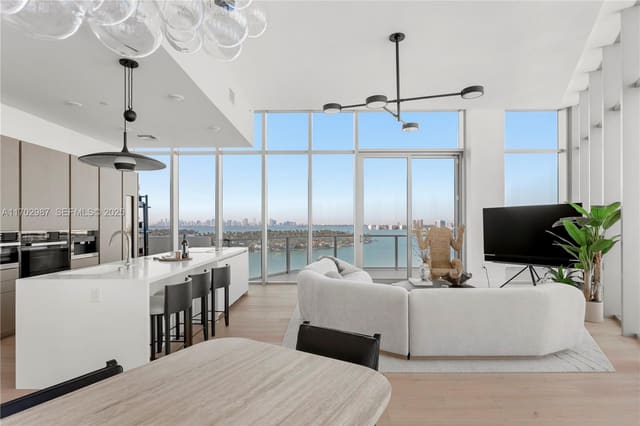
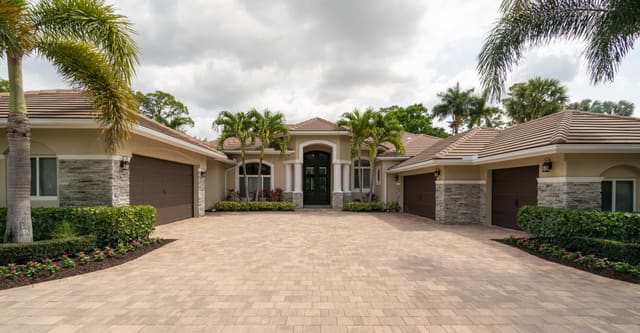




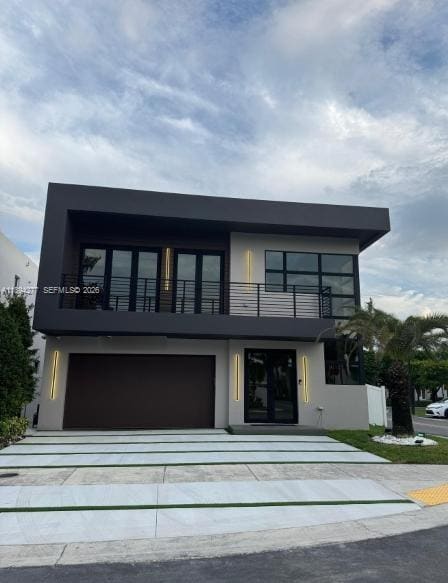
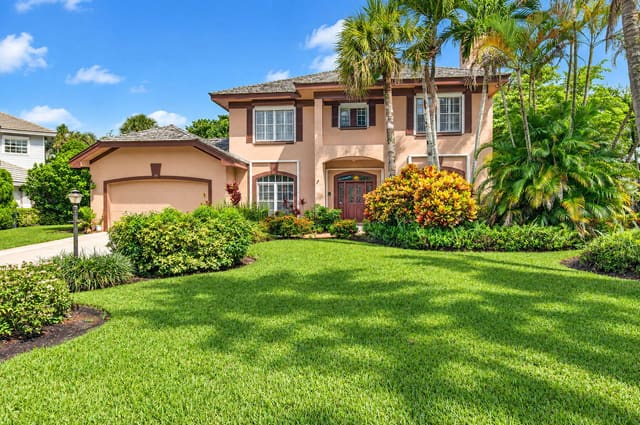







Stay Ahead of the Market
Tell us what you're looking for and we'll send matches as they hit the market.
Explore by County
Featured Communities
Price Reduced in South Florida
Price Reduced: What to Know
Price-reduced homes are listings whose sellers have lowered the asking price since the property first hit the market. A reduction is a signal, and learning to read it is one of the most useful skills a South Florida buyer can have. Sometimes it means the home was simply priced too high to start, a common problem in a market where sellers anchor to the peak prices their neighbors got a year or two earlier. Other times it points to a motivated seller who has a deadline, a job relocation, a property already under contract elsewhere, or carrying costs they no longer want to pay. The page above pulls active listings that have taken a documented cut, so you are looking at sellers who have already shown a willingness to move on price.
The clearest tell sits in two numbers: days on market and the size of the reduction relative to the original list price. In much of Palm Beach, Broward, and Miami-Dade, well-priced homes still move quickly, so a listing that has sat for 60, 90, or 120 days has usually told the market it started too high. When a seller finally cuts, that is often the moment leverage shifts to the buyer. A home that has been reduced once and is approaching three months on market is a very different negotiation than a fresh listing in its first week, when the seller is still hoping for competing offers.
The trap is assuming every reduction is a bargain. Some homes are cut repeatedly because something real is wrong: an aging roof the insurer will not write a policy on, a failing seawall on a waterfront lot, an assessment looming from the condo or homeowners association, flood-zone exposure that drives premiums up, or a location problem that no price will fully fix. The way to separate a genuine value from a problem property is sold comparables. Look at what similar homes in the same neighborhood actually closed for in the last three to six months, not what other sellers are asking. If the reduced price is still above recent solds, the cut is catching up to reality rather than creating a deal.
Florida adds a few wrinkles worth checking before you get excited about a markdown. Insurance is the big one. Since the 2022 and 2023 legislative changes, carriers scrutinize roof age, four-point inspection results, and wind mitigation features hard, and a home priced low because it needs a new roof can erase the savings once you factor in the premium and the replacement. Older condos now face mandatory structural reserve studies and milestone inspections, and a unit reduced because a special assessment is coming can cost far more than the sticker suggests. None of this means a reduced home is a bad buy. It means the reduction is information, and you want to know what is behind it.
When a reduction is real, the negotiation can go further than the cut already taken. Sellers who have lowered the price once have signaled flexibility, and a clean offer with a reasonable timeline and proof of funds or a strong pre-approval often gets serious attention. There may also be room beyond price: closing-cost credits, a repair allowance for that roof or AC, or a rate buydown the seller funds. The reduction starts the conversation rather than ending it.
Pure Equity works this list the way a buyer should. We pull the full price history on any home you like, run sold comps in that specific subdivision, and tell you honestly whether a markdown reflects a motivated seller or a property with a story. We read the inspection reports, flag the insurance and assessment risks before you are under contract, and structure offers that use a seller's demonstrated willingness to move. The goal is not just to find a reduced price, but to find a home that is genuinely worth what you pay.
Questions
Price Reduced: Frequently asked questions
Does a price reduction always mean a good deal?
No. A reduction can mean the home was overpriced and is correcting toward fair value, which is good for you, or it can mean something is wrong, like an uninsurable roof or a coming assessment. The only way to tell is to compare the new price against what similar homes actually sold for nearby in the last few months.
How much can I negotiate below a reduced asking price?
It depends on days on market, how the reduced price compares to sold comps, and how motivated the seller is. A home already reduced and sitting 90-plus days often has more room than a fresh listing. Beyond price, sellers may offer repair credits, closing-cost help, or a rate buydown, so the negotiation is not only about the number.
How do I find out why a home's price was cut?
Start with the full price and listing history, which shows how long it has been on market and how many times it was reduced. Then look at the disclosures, the inspection once you are under contract, the roof and AC age, the flood zone, and any HOA or condo assessment notices. Your agent can pull most of this before you write an offer.
Are price-reduced homes more likely to have problems?
Not necessarily. Many reductions simply reflect a seller who priced too high or who now needs to move quickly. Problem properties exist in every price band, reduced or not. Treat a reduction as a prompt to do thorough due diligence, especially on roof, insurance, structure, and assessments, rather than as a warning sign by itself.
Should I wait for a reduction before making an offer?
Sometimes waiting works, but it carries risk. If a home is fairly priced and shows well, another buyer may take it first. If it is clearly overpriced and sitting, patience can pay off, though you can also make a reasonable offer now rather than wait for the seller to cut. The right move depends on the comps and how competitive the local market is.
Why do some Florida homes get reduced because of insurance?
Florida carriers now weigh roof age, four-point inspections, and wind mitigation heavily, and homes with older roofs or prior claims can be hard or expensive to insure. A seller may cut the price to offset that. Always get an insurance quote during your inspection period so you know the real annual cost before the price looks like a bargain.
Keep Exploring
More Ways to Search South Florida
Thinking of Selling?
What is your South Florida home worth?
Online estimates miss what makes a home different. Tell us about yours and a licensed listing agent will send you a pricing opinion based on what has actually closed near you in South Florida.
Listing agents and seller representation in South Florida
Thinking about selling in South Florida? The agent you pick shapes two numbers: what your home closes for, and how long it takes. A listing agent, also called a seller's agent, prices the property against what has actually closed nearby. They also prepare and market it, screen the offers that arrive, and negotiate the terms rather than just the price.
Conditions in South Florida sit close to balanced, which rewards sellers who price against real closed sales instead of neighboring asking prices.
South Florida is not one market. Coastal and inland behave differently, and so do new construction and 1970s stock. Condo sellers face an extra layer, because association finances and reserve funding affect what buyers can borrow.
Pure Equity is a licensed Florida brokerage serving all eight of the South Florida counties we cover. Onias Derilus is the broker of record, Florida Real Estate Broker license BK3276618. A broker holds a higher license than an agent working under one. In practice that means the person advising you on price is also the one legally responsible for the file. That matters most when a deal gets complicated.
More on this: what is an exclusive right of sale listing? · selling when you owe more than the house is worth
Realtors and real estate agents serving South Florida
People search for realtors, real estate agents, and real estate brokers more or less interchangeably. For most purposes the job title matters less than licensing and representation. Every licensed agent in Florida works under a broker. That broker carries final responsibility for the transaction.
What separates real estate professionals in South Florida is specificity. Can they answer questions about your street, not just your city? Ask what they have closed nearby and how they arrived at a price. A grounded answer cites particular recent sales. It also explains why those homes compare to yours. Vague reassurance is the warning sign.
More on this: home value after a renovation: what actually adds · how waterfront homes are valued · when and how to price your home
Buyer's agents in South Florida
A buyer's agent represents the purchaser rather than the owner. They identify properties that actually fit and research what comparable homes sold for, not what they asked. They also advise on offer strategy. Finally, they manage inspection and financing deadlines through to closing.
Where buyers have room to negotiate, as they do in South Florida, the leverage is only worth something if you know where it exists and what to ask for. If you are buying and selling at the same time, which is common for people moving within South Florida, sequencing the two is its own skill: contingencies, timing, and what happens if one closing slips all need planning before either home goes on the market.
What representation costs
Real estate commissions are negotiable. No law, multiple listing service, or association sets them. If an agent tells you there is a standard rate, they are misinforming you. What you pay is agreed between you and the brokerage you hire. Get it in writing before the work begins.
Industry rules changed in 2024. Now a buyer and their agent must put compensation in a written buyer agreement before touring homes together. Sellers may still offer to contribute toward the buyer's side. However, that is negotiated rather than assumed. It is worth thinking through with your listing agent before you go live.
More on this: how commission is actually structured · what you actually walk away with · seller concessions, and when to offer them
Buying Instead?
Search South Florida with someone local
We will tell you which listings are worth your time, what comparable homes actually closed for, and how to structure an offer that holds up through inspection and financing.
Frequently asked questions
How do I find a listing agent in South Florida?
Ask any listing agent you interview two questions. Which homes have they closed near South Florida, and how did they arrive at their suggested price? A grounded answer names recent closed sales. It also explains why those homes compare to yours. Optimistic pricing costs sellers more than almost any other decision. Verify the license too. Florida licenses are public and searchable through the state's DBPR portal. Pure Equity is a licensed brokerage serving South Florida. You can reach the broker directly at (561) 835-5400.
What does a seller's agent actually do?
A seller's agent prices the home against comparable closed sales. Before it goes live, they advise on repairs and presentation. Then they handle photography and marketing, and put the home in front of buyers and other agents. When offers arrive, they screen them and negotiate both price and terms. Terms matter as much as the number, because inspection windows, financing contingencies, and closing dates all affect whether an offer reaches the closing table.
How much does a real estate agent cost in South Florida?
Commissions are fully negotiable. No law or real estate board sets them. What you pay is whatever you and your brokerage agree to in writing before work begins. Since the 2024 rule changes, buyers and their agents must agree compensation in a written buyer agreement before touring homes. Any seller contribution toward the buyer's side is negotiated rather than automatic. Ask any agent you interview to put their fee in writing.
What is the difference between a realtor, a real estate agent, and a broker?
A real estate agent holds a state license to represent buyers and sellers. A broker holds a higher-level license and can operate a brokerage. That broker also carries final legal responsibility for the office's transactions. Realtor is a membership term for agents belonging to the National Association of Realtors. For someone buying or selling in South Florida, three practical questions matter. Is the person licensed, who do they represent in your transaction, and what can they actually tell you about your local market?
Do I need an agent to buy a home in South Florida?
You are not legally required to use one, but most buyers in South Florida do. A buyer's agent handles the parts that are easy to get wrong. That means identifying what comparable homes actually closed for, spotting condition or association issues early, and managing inspection and financing deadlines. Even in a slower market, negotiating room is only useful if you know where it exists.
Can one agent help me sell my current home and buy the next one?
Yes. For people moving within South Florida it is often the more practical route, because one person coordinates both timelines. Sequencing is the hard part. Should your purchase be contingent on your sale? How would you cover a gap if the closings do not line up? What happens if one side is delayed? Plan all of that before either home is listed, rather than after an offer arrives.
Keep Reading
More from Pure Equity
- Probate and inherited property
- Property management
- Raw land
- Recently sold homes
- Relocation
- Reviewing offers
- Rural land
- Schools
- Sell a luxury home in South Florida
- Sell my house fast florida