
South Florida
Oceanfront Condos for Sale in South Florida
Oceanfront and beachfront condominiums along South Florida's coast, from Miami and Fort Lauderdale towers to Palm Beach and the Treasure Coast.
Get Listings Alerts
Be the first to know when a new oceanfront condos listing hits the market in South Florida.
Browse
Oceanfront Condos in South Florida








Stay Ahead of the Market
Tell us what you're looking for and we'll send matches as they hit the market.
Explore by County
Featured Communities
Oceanfront Condos in South Florida
Oceanfront Condos: What to Know
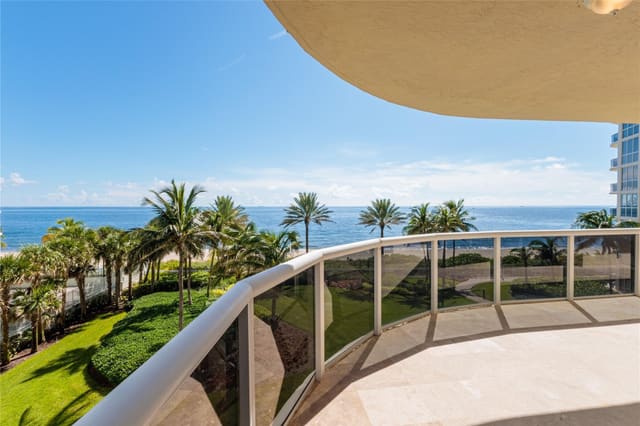
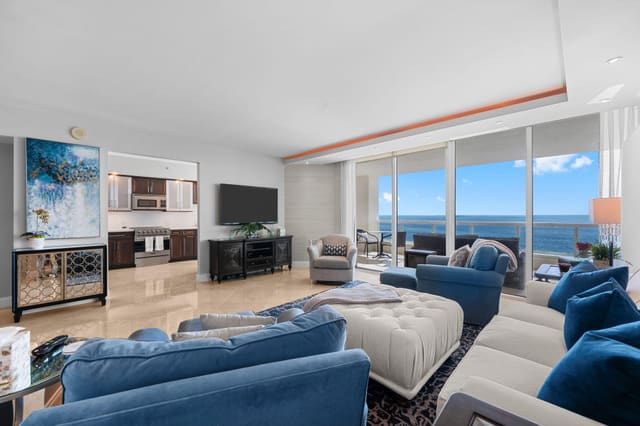
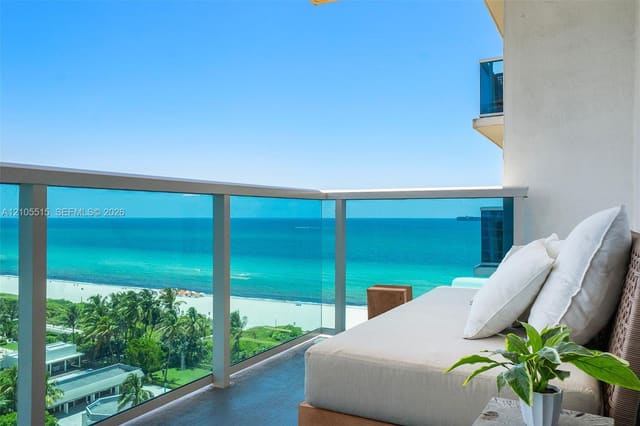
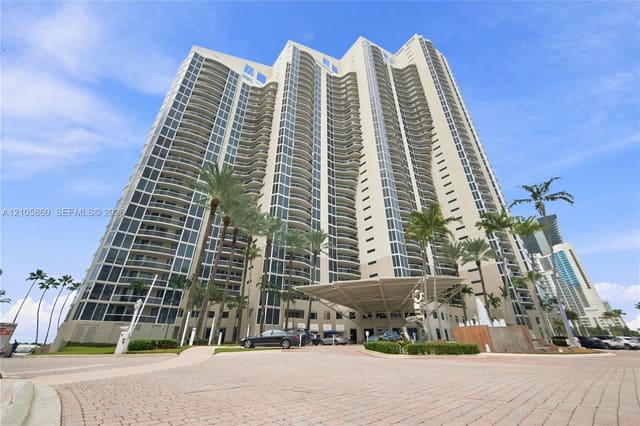
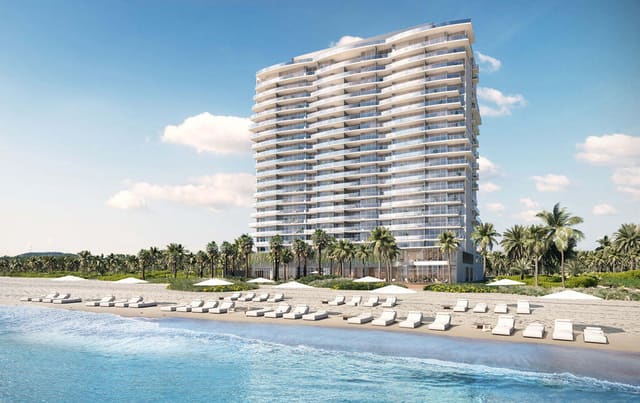
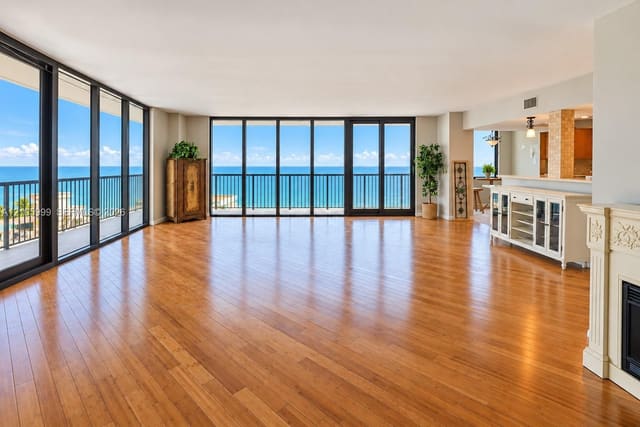
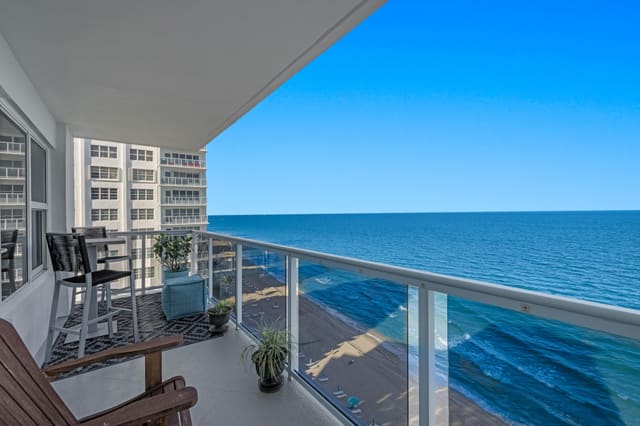
Oceanfront condos are the most direct way to put the Atlantic outside your window in South Florida, and the inventory runs from sleek new glass towers in Sunny Isles Beach to mid-century buildings on Fort Lauderdale Beach and the quieter stretches of Singer Island in Palm Beach County. As you move up the coast through Hollywood, Pompano Beach, Delray Beach, Boca Raton, and into the Treasure Coast, the towers tend to get lower and the prices ease, while the closer you sit to Miami-Dade's marquee beaches, the more you pay for the same square footage. Buyers come for the obvious reasons, sunrise over the water, direct beach access, and a lock-and-leave lifestyle, but the smart ones also study the building itself as carefully as the unit, because in a condo you are buying into a shared financial entity, not just four walls.
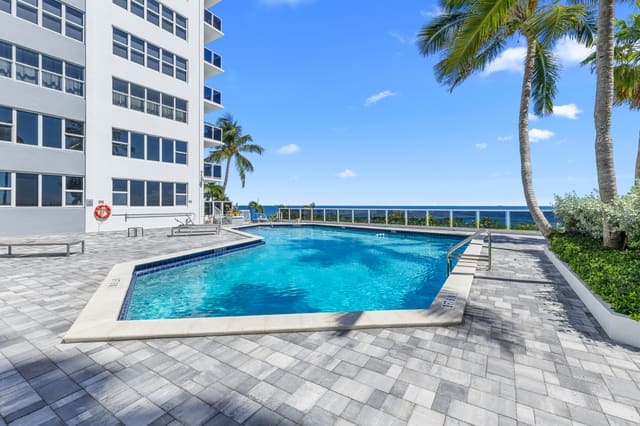
Resort-style amenities are a big part of the appeal and a big part of the monthly cost. Many oceanfront buildings offer pools and hot tubs, a fitness center, valet and garage parking, 24-hour security or concierge, beach service with chairs and umbrellas, and sometimes a restaurant, spa, or private beach club. All of that shows up in the monthly association fee, which on the oceanfront can be substantial because saltwater, wind, and constant sun are hard on a building. Higher fees are not automatically a red flag. A well-run association that funds its maintenance properly often protects your investment better than a cheaper building that has been deferring work. The question is whether the money is being collected and spent wisely, which the financials will tell you.
Florida changed the rules for older coastal condos in a serious way, and every oceanfront buyer needs to understand it. After the 2021 Surfside collapse, state law now requires milestone structural inspections for condo buildings three stories and taller, generally at 30 years of age and every 10 years after, with a tighter 25-year first inspection for buildings near the coast. The law also requires structural integrity reserve studies and, importantly, ends the old practice of letting owners vote to waive or underfund reserves for major structural components. The practical effect is that buildings which postponed maintenance for years are now facing the bill, and that bill can arrive as a special assessment. Before you buy, ask for the milestone inspection report, the reserve study, the reserve balances, and the minutes from recent board meetings.
Special assessments are the line item that surprises unprepared buyers. When a reserve fund cannot cover a roof, a garage repair, concrete restoration, window replacement, or a new code requirement, the association levies a one-time charge split among owners, and on an oceanfront tower that figure can reach into the tens of thousands per unit. During your due diligence, read the estoppel certificate, which the association must provide, and ask directly whether any assessment is pending, approved, or being discussed. A building that has just completed its concrete restoration and recertification can be a better long-term value than a cheaper unit in a tower that is about to start.
Insurance is its own coastal reality in Florida. Beyond a standard policy, oceanfront owners deal with windstorm and hurricane coverage and, depending on elevation and flood zone, flood insurance as well. The master policy carried by the association covers the building structure and shared areas, while you carry an individual HO-6 policy for the interior, your belongings, and liability. Premiums near the water have climbed sharply in recent years, so get quotes early and confirm what the master policy does and does not cover, including the deductible the association would pass through after a named storm. These costs belong in your budget from the start, not as an afterthought at closing.
Rental rules decide whether your condo can also be an income property, and they vary widely from building to building. Some oceanfront associations welcome short-term and seasonal rentals, which is common in vacation-heavy markets, while others impose minimum lease terms of 30 days, 90 days, six months, or a full year, cap how many times per year you can rent, or require board approval of every tenant. City ordinances add another layer, since several South Florida municipalities regulate or license short-term rentals separately from the HOA. If rental income is part of your plan, confirm both the building's declaration and the local rules in writing before you commit. Pure Equity guides oceanfront buyers through every one of these checkpoints, from reading the milestone inspection and reserve study to flagging assessment risk, lining up coastal insurance quotes, and verifying rental rights, so the view comes with no unwelcome surprises.
Questions
Oceanfront Condos: Frequently asked questions
Why are HOA fees so high on oceanfront condos?
Saltwater, wind, and sun wear coastal buildings down fast, so maintenance, insurance, and reserves cost more. Fees also fund amenities like pools, security, valet, and beach service. A higher fee from a well-managed association that fully funds reserves often protects your investment better than a low fee at a building that has been deferring repairs and facing future assessments.
What is a milestone inspection and does it affect my purchase?
After the Surfside collapse, Florida requires structural milestone inspections for condo buildings three stories and up, generally at 30 years and every 10 years after, with a 25-year first inspection near the coast. It directly affects you, because the findings can trigger required repairs and special assessments. Always request the milestone report and reserve study before buying.
Could I face a special assessment after buying an oceanfront condo?
Yes. When reserves fall short for major work like concrete restoration, a roof, or window replacement, the association charges owners a one-time assessment that can run into the tens of thousands on a coastal tower. Review the estoppel certificate and recent board minutes, and ask directly whether any assessment is pending, approved, or under discussion before you close.
What insurance do I need for an oceanfront condo in Florida?
The association's master policy covers the building structure and common areas. You carry an individual HO-6 policy for your interior, belongings, and liability. Near the water you also factor in windstorm and hurricane coverage, and often flood insurance depending on your zone and elevation. Coastal premiums have risen sharply, so get quotes early and review the master policy deductible.
Can I rent out my oceanfront condo on a short-term basis?
It depends on both the building and the city. Some associations allow short-term and seasonal rentals, while others set minimum leases of 30 days, 90 days, six months, or a year, cap rentals per year, or require tenant approval. Several South Florida cities also license or restrict short-term rentals separately. Confirm both the HOA declaration and local rules in writing first.
Is a newer tower or an older oceanfront building a better buy?
Each has tradeoffs. Newer towers offer modern construction, current code, and fewer near-term structural surprises, usually at a premium. Older buildings can offer larger floor plans and lower prices but may carry deferred maintenance and upcoming assessments. A reliable comparison comes from the financials, reserve study, and inspection history rather than age alone, which is exactly what we help you read.
Related Reading
Oceanfront Condos: From the Journal
Home Buying Tips · October 1, 2026
Oceanfront Condos Near Jupiter Island and Hobe Sound: What Buyers Should Ask Before Making an Offer
Where Jupiter Island's oceanfront condos really sit, why the Martin and Palm Beach county line matters, and the reserve, inspection, rental, insurance and flood questions to ask before you make an offer.
Home Buying Tips · October 1, 2026
Buying a Condo in Palm Beach Gardens: Buildings, HOA Fees, Inspections and Financing in 2026
Palm Beach Gardens has few high-rises and many garden-style and golf community condos. This guide shows how building age, milestone inspections, reserves and financing rules should shape your shortlist.
Real Estate Education · October 1, 2026
Low Rise vs. High Rise Condos in Palm Beach County: Inspections, Reserves, Insurance and Resale
Florida's condo safety laws hit buildings differently depending on height. A side by side look at milestone inspections, reserve studies, insurance and resale for low-rise and high-rise condos in Palm Beach County.
Thinking of Selling?
What is your South Florida home worth?
Online estimates miss what makes a home different. Tell us about yours and a licensed listing agent will send you a pricing opinion based on what has actually closed near you in South Florida.
Listing agents and seller representation in South Florida
Thinking about selling in South Florida? The agent you pick shapes two numbers: what your home closes for, and how long it takes. A listing agent, also called a seller's agent, prices the property against what has actually closed nearby. They also prepare and market it, screen the offers that arrive, and negotiate the terms rather than just the price.
Conditions in South Florida sit close to balanced, which rewards sellers who price against real closed sales instead of neighboring asking prices.
South Florida is not one market. Coastal and inland behave differently, and so do new construction and 1970s stock. Condo sellers face an extra layer, because association finances and reserve funding affect what buyers can borrow.
Pure Equity is a licensed Florida brokerage serving all eight of the South Florida counties we cover. Onias Derilus is the broker of record, Florida Real Estate Broker license BK3276618. A broker holds a higher license than an agent working under one. In practice that means the person advising you on price is also the one legally responsible for the file. That matters most when a deal gets complicated.
More on this: what is an exclusive right of sale listing? · selling when you owe more than the house is worth
Realtors and real estate agents serving South Florida
People search for realtors, real estate agents, and real estate brokers more or less interchangeably. For most purposes the job title matters less than licensing and representation. Every licensed agent in Florida works under a broker. That broker carries final responsibility for the transaction.
What separates real estate professionals in South Florida is specificity. Can they answer questions about your street, not just your city? Ask what they have closed nearby and how they arrived at a price. A grounded answer cites particular recent sales. It also explains why those homes compare to yours. Vague reassurance is the warning sign.
More on this: home value after a renovation: what actually adds · how waterfront homes are valued · when and how to price your home
Buyer's agents in South Florida
A buyer's agent represents the purchaser rather than the owner. They identify properties that actually fit and research what comparable homes sold for, not what they asked. They also advise on offer strategy. Finally, they manage inspection and financing deadlines through to closing.
Where buyers have room to negotiate, as they do in South Florida, the leverage is only worth something if you know where it exists and what to ask for. If you are buying and selling at the same time, which is common for people moving within South Florida, sequencing the two is its own skill: contingencies, timing, and what happens if one closing slips all need planning before either home goes on the market.
What representation costs
Real estate commissions are negotiable. No law, multiple listing service, or association sets them. If an agent tells you there is a standard rate, they are misinforming you. What you pay is agreed between you and the brokerage you hire. Get it in writing before the work begins.
Industry rules changed in 2024. Now a buyer and their agent must put compensation in a written buyer agreement before touring homes together. Sellers may still offer to contribute toward the buyer's side. However, that is negotiated rather than assumed. It is worth thinking through with your listing agent before you go live.
More on this: how commission is actually structured · what you actually walk away with · seller concessions, and when to offer them
Buying Instead?
Search South Florida with someone local
We will tell you which listings are worth your time, what comparable homes actually closed for, and how to structure an offer that holds up through inspection and financing.
Frequently asked questions
How do I find a listing agent in South Florida?
Ask any listing agent you interview two questions. Which homes have they closed near South Florida, and how did they arrive at their suggested price? A grounded answer names recent closed sales. It also explains why those homes compare to yours. Optimistic pricing costs sellers more than almost any other decision. Verify the license too. Florida licenses are public and searchable through the state's DBPR portal. Pure Equity is a licensed brokerage serving South Florida. You can reach the broker directly at (561) 835-5400.
What does a seller's agent actually do?
A seller's agent prices the home against comparable closed sales. Before it goes live, they advise on repairs and presentation. Then they handle photography and marketing, and put the home in front of buyers and other agents. When offers arrive, they screen them and negotiate both price and terms. Terms matter as much as the number, because inspection windows, financing contingencies, and closing dates all affect whether an offer reaches the closing table.
How much does a real estate agent cost in South Florida?
Commissions are fully negotiable. No law or real estate board sets them. What you pay is whatever you and your brokerage agree to in writing before work begins. Since the 2024 rule changes, buyers and their agents must agree compensation in a written buyer agreement before touring homes. Any seller contribution toward the buyer's side is negotiated rather than automatic. Ask any agent you interview to put their fee in writing.
What is the difference between a realtor, a real estate agent, and a broker?
A real estate agent holds a state license to represent buyers and sellers. A broker holds a higher-level license and can operate a brokerage. That broker also carries final legal responsibility for the office's transactions. Realtor is a membership term for agents belonging to the National Association of Realtors. For someone buying or selling in South Florida, three practical questions matter. Is the person licensed, who do they represent in your transaction, and what can they actually tell you about your local market?
Do I need an agent to buy a home in South Florida?
You are not legally required to use one, but most buyers in South Florida do. A buyer's agent handles the parts that are easy to get wrong. That means identifying what comparable homes actually closed for, spotting condition or association issues early, and managing inspection and financing deadlines. Even in a slower market, negotiating room is only useful if you know where it exists.
Can one agent help me sell my current home and buy the next one?
Yes. For people moving within South Florida it is often the more practical route, because one person coordinates both timelines. Sequencing is the hard part. Should your purchase be contingent on your sale? How would you cover a gap if the closings do not line up? What happens if one side is delayed? Plan all of that before either home is listed, rather than after an offer arrives.
Keep Reading
More from Pure Equity
- Off grid land
- Owner financing land
- Pending
- Penthouses
- Pool homes
- Preparing to sell your home
- Price reduced
- Probate and inherited property
- Property management
- Raw land