
South Florida
Land Under 5 Acres for Sale in Florida
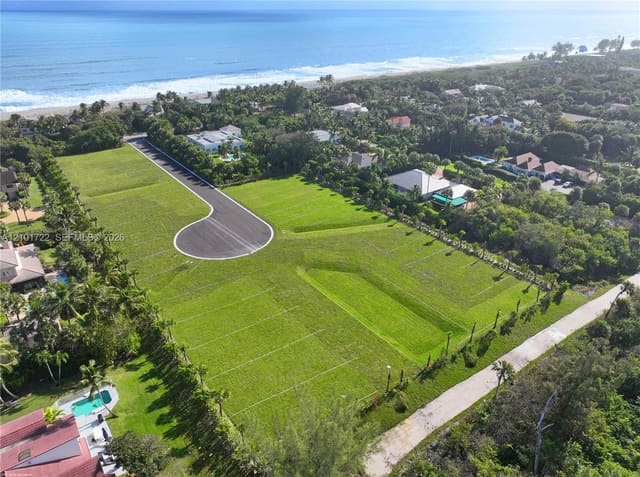
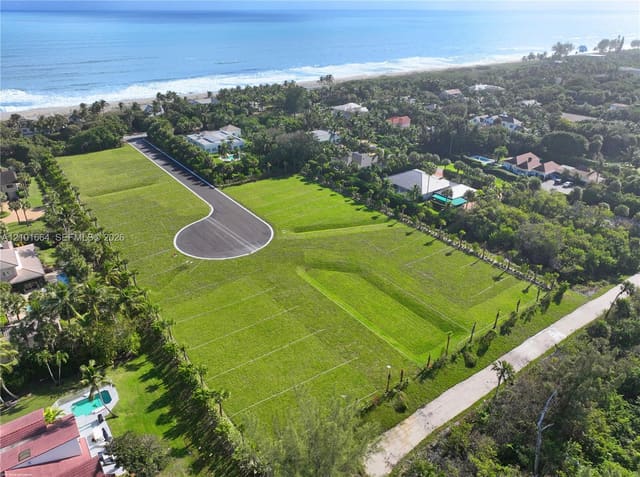
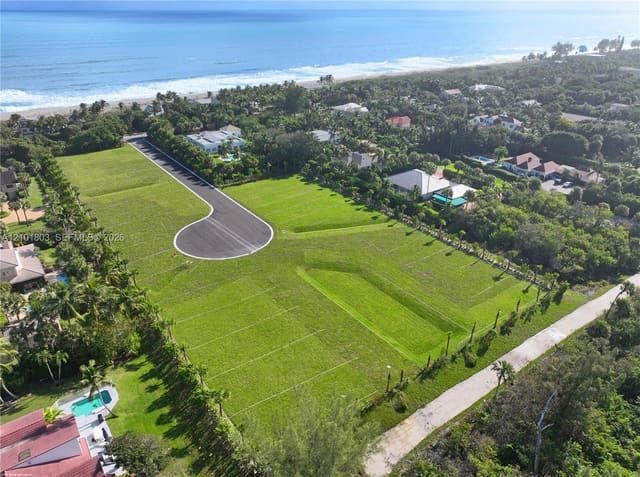
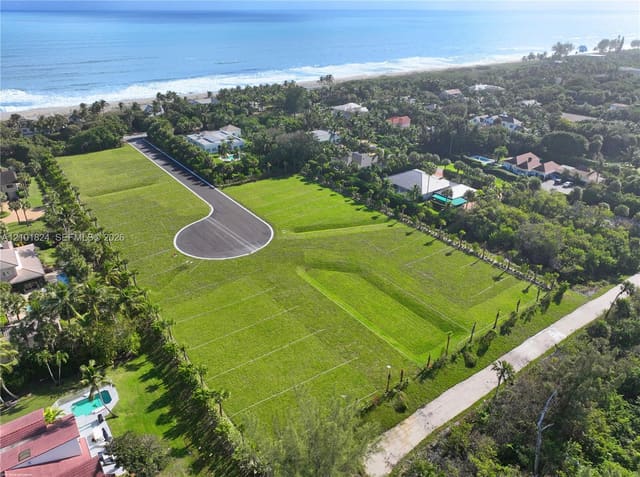
Smaller parcels and homesites under five acres across Florida, ideal for a single home, a hobby setup, or a first land purchase.
Get Listings Alerts
Be the first to know when a new land under 5 acres listing hits the market in South Florida.
Browse
Land Under 5 Acres in South Florida
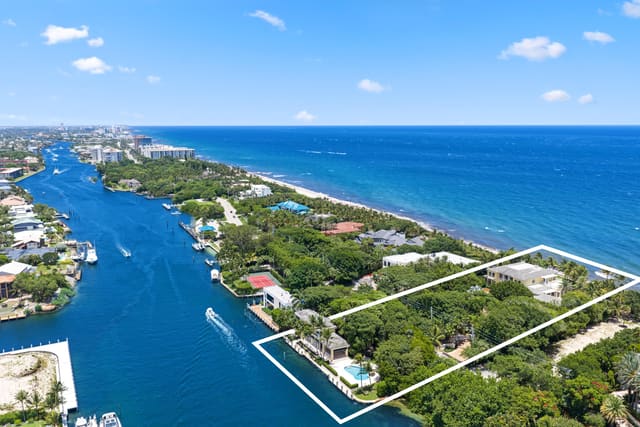
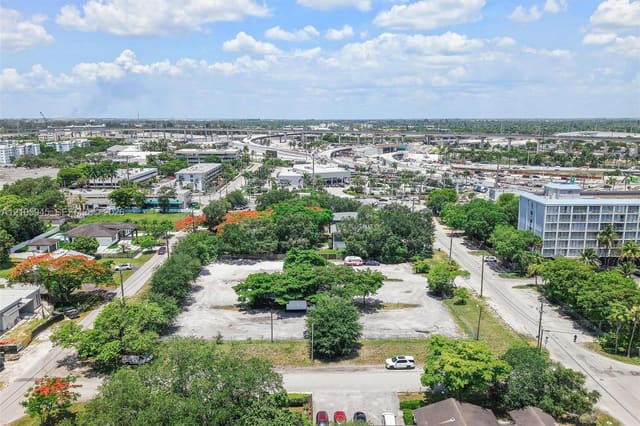
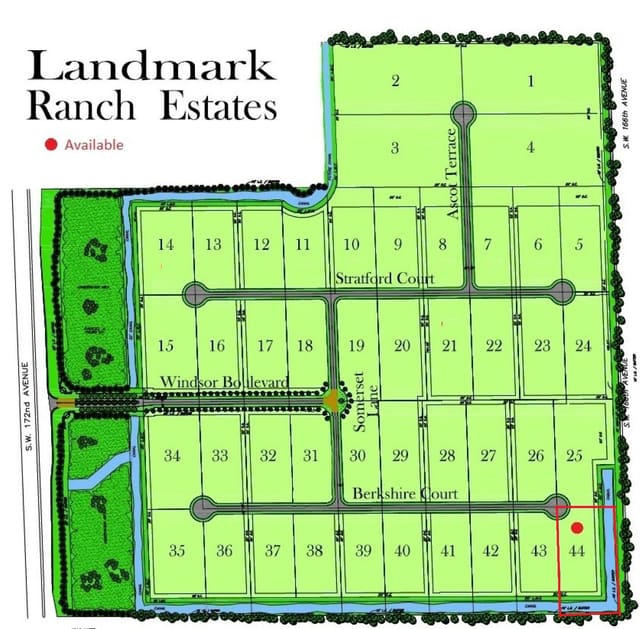
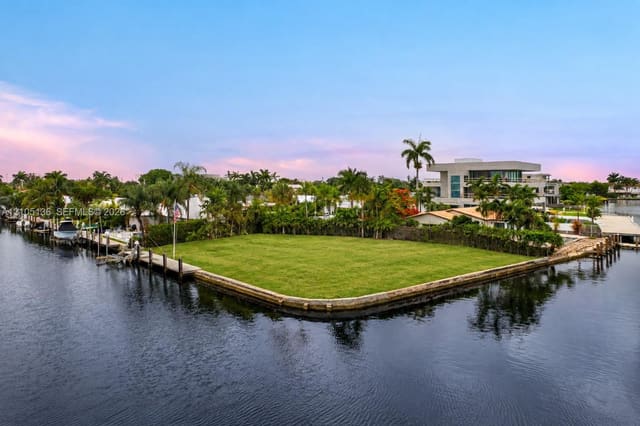
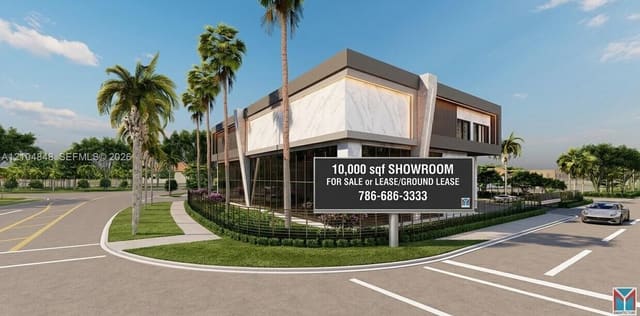
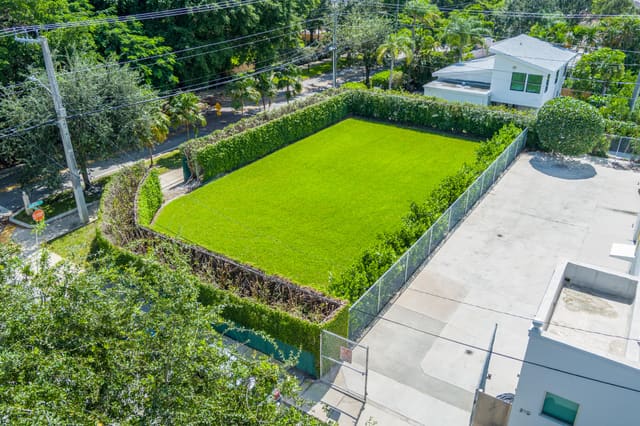
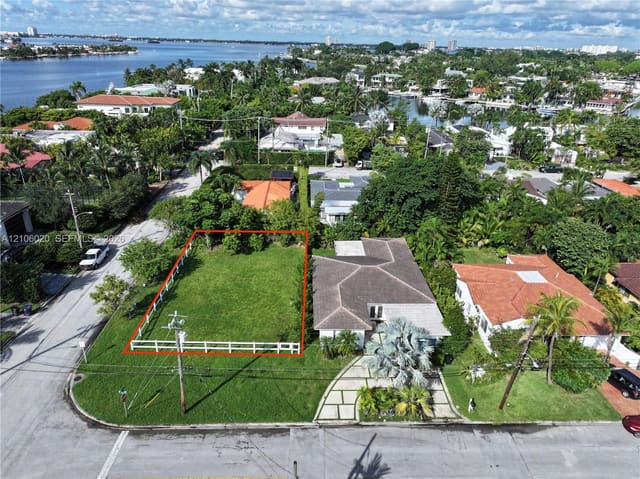
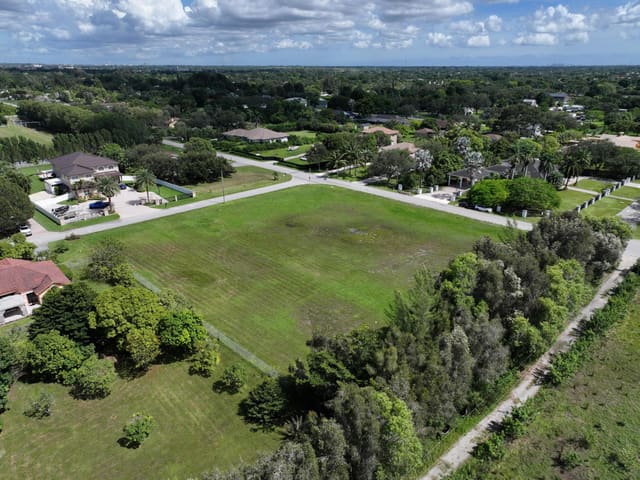
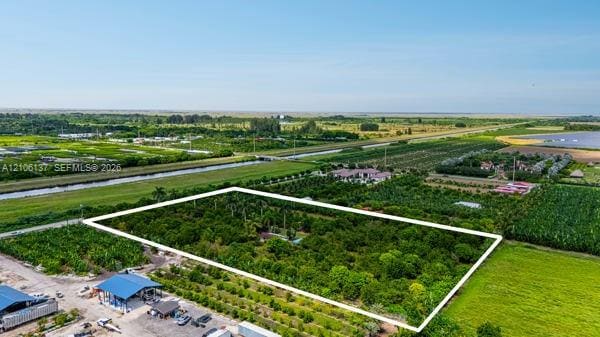
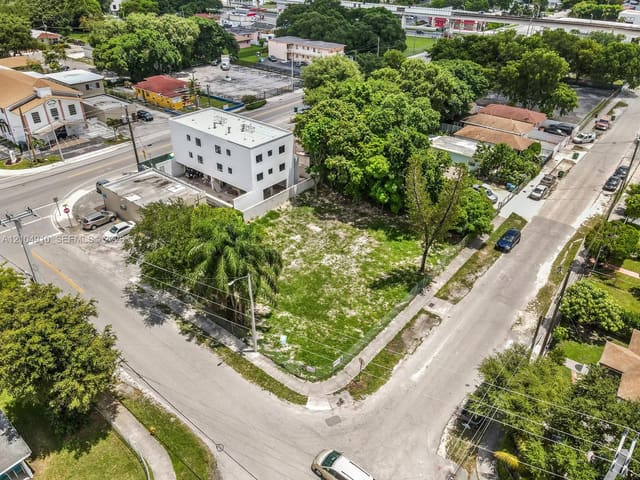
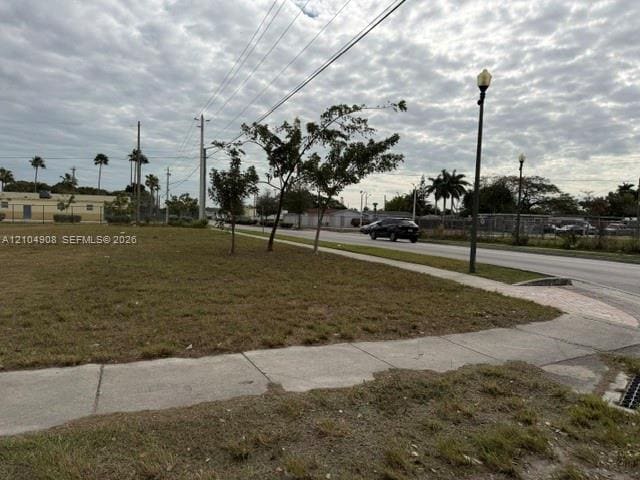
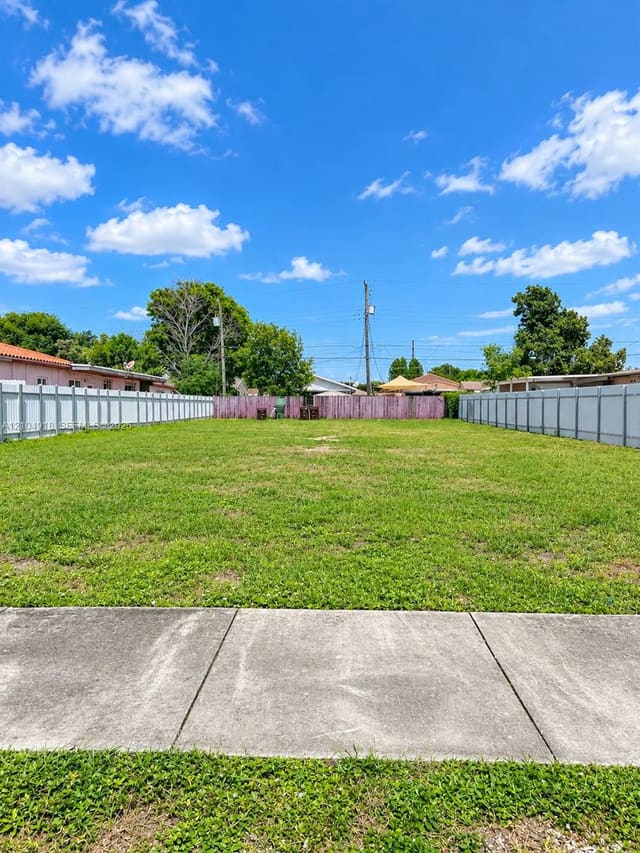
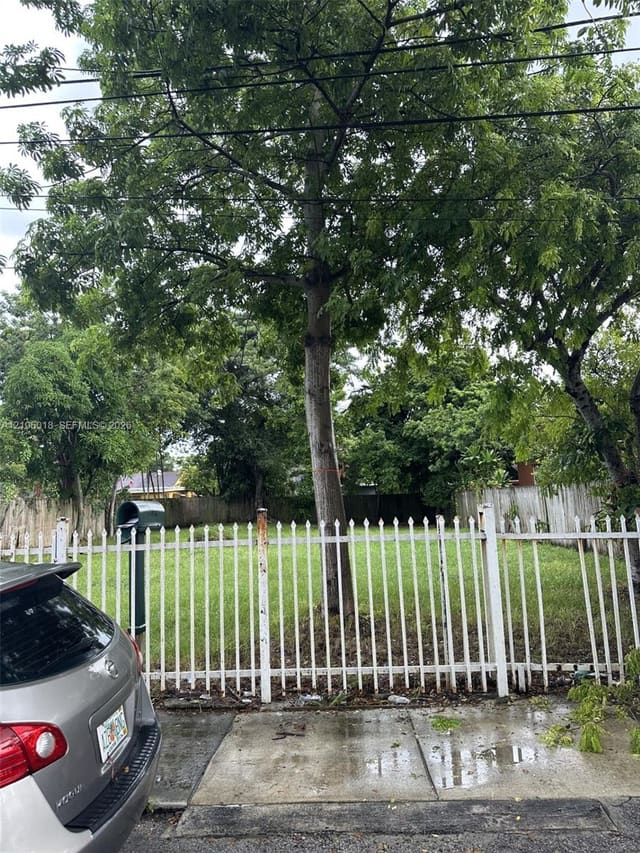
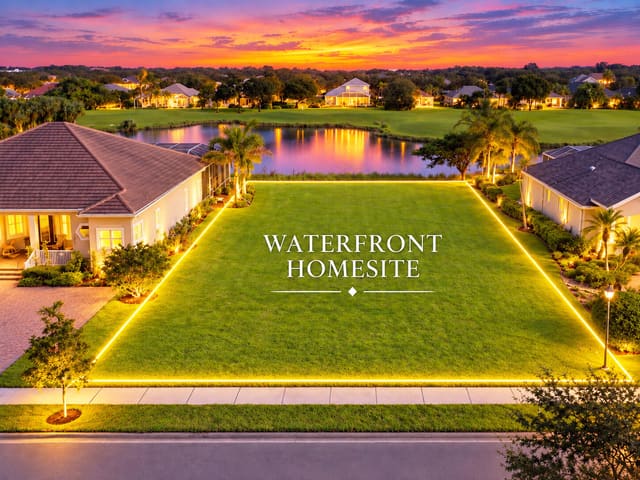
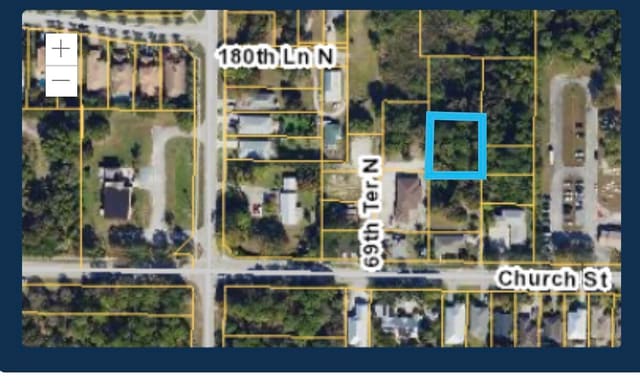
Stay Ahead of the Market
Tell us what you're looking for and we'll send matches as they hit the market.
Explore by County
Featured Communities
Land Under 5 Acres in South Florida
Land Under 5 Acres: What to Know
Land under five acres is the entry point for most people who buy raw or improved ground in Florida. A parcel of one, two, or four acres gives you space for a house, a detached garage or workshop, a garden, and maybe a few chickens, without the cost, the property taxes, or the constant mowing and fence maintenance that come with a large tract. First-time land buyers, owner-builders, and families who want elbow room but not a full farm tend to land in this size class. It is also the size that retiring buyers and remote workers gravitate toward when they want a quiet homesite within reach of a town.
Smaller parcels are easier to finance and faster to build on, and that matters more than the price tag alone. Most banks and credit unions treat a buildable lot with road frontage and nearby utilities very differently from a remote tract of raw land. If power runs along the road, a paved or county-maintained road touches the parcel, and the area already has homes on septic and wells, a lender will usually see the deal as low risk. Out on truly raw acreage with no improvements, you are more likely to need a land loan with a larger down payment, often 20 to 50 percent, and a shorter term. Confirming what is at the road before you write an offer changes both your budget and your timeline.
Utilities are the first thing to check on any small Florida parcel. In and near city limits you may have access to public water and sewer, which simplifies permitting but adds connection or impact fees. In rural and unincorporated areas you will almost always be on a private well and a septic system. A septic permit in Florida runs through the county health department under the state environmental agency, and approval depends on a soil and percolation evaluation: the ground has to drain well enough to handle a drainfield, and there are setbacks from wells, property lines, and any wetlands or surface water. On a tight lot, those setbacks can be the difference between a buildable site and one that cannot fit a house, a well, and a drainfield with the required separation.
Zoning and access are the other two pillars of due diligence. Check the county zoning and future land use designation to confirm the parcel allows a single-family home and to learn the minimum lot size, setbacks, and any limits on outbuildings, livestock, or short-term rentals. Verify legal, year-round access: a recorded easement or frontage on a public road, not just a dirt path across a neighbor. Ask whether the road is county-maintained or private, because a private road can mean shared maintenance costs and a tougher path to financing. In coastal and low-lying parts of South Florida, also pull the FEMA flood zone, since a flood designation drives insurance costs and may require the finished floor to be elevated.
On value, small parcels usually sell for a higher price per acre than large tracts because they are buildable, closer to services, and within reach of more buyers. That premium is normal and not a red flag. The real costs to budget beyond the purchase price are a well (commonly several thousand to over ten thousand dollars depending on depth), a septic system, a power drop or extension, a driveway and culvert, any required survey and soil testing, and impact or capacity fees if you connect to public utilities. Agricultural classification, the Greenbelt program that lowers taxes on working land, is generally a poor fit at this size because the bona fide agricultural use required is hard to support on a small homesite. Plan to be taxed as residential land.
Pure Equity works these smaller parcels across South and Central Florida every week, from homesites near the coast to interior lots in the rural counties. We help you read the zoning and future land use, confirm whether a septic system can fit and pass, identify what utilities sit at the road, check flood and wetland exposure, and line up a land lender or builder when you are ready. The goal is simple: make sure the compact lot you like will actually let you build the home you want, on the timeline and budget you have, before you commit.
Questions
Land Under 5 Acres: Frequently asked questions
Can I build a house on a parcel under five acres in Florida?
Usually yes, if zoning allows a single-family home and the lot can fit a house, well, and septic system with the required setbacks. Confirm the zoning and future land use designation, check that the parcel meets the minimum lot size, and verify a septic permit is feasible through the county health department before you buy.
Do small Florida lots come with city water and sewer?
It depends on location. Parcels in or near city limits may connect to public water and sewer, usually with impact or connection fees. Rural and unincorporated lots almost always rely on a private well and septic system. Always confirm with the county and the utility provider rather than assuming what is available at the road.
How hard is it to finance land under five acres?
Buildable lots with road frontage and nearby utilities are the easiest land to finance, though most lenders still want a larger down payment than a home mortgage. Raw parcels with no improvements typically need a land loan with 20 to 50 percent down and a shorter term. Local banks and credit unions are often more flexible than national lenders.
What extra costs should I expect beyond the purchase price?
Budget for a well, a septic system, a power drop or line extension, a driveway and culvert, a survey, and soil or percolation testing. If you connect to public utilities, add impact and connection fees. These site costs can add tens of thousands of dollars, so factor them in before you decide how much to spend on the land itself.
Will a small lot qualify for the agricultural tax break?
Rarely. Florida's Greenbelt agricultural classification requires a bona fide commercial agricultural use, which is hard to establish on a small homesite. Most parcels under five acres are taxed as residential land. If lowering your tax bill through agricultural use is a priority, you generally need more acreage and a genuine farming or grazing operation.
How do I know a lot can pass a septic test?
Septic approval in Florida depends on a soil and percolation evaluation by the county health department. The ground must drain well enough for a drainfield, with setbacks from wells, property lines, and any wetlands. Sandy, well-drained soils usually pass easily; high water tables or poor soils can require an engineered system or rule the site out. Order an evaluation during your inspection period.
Related Reading
Land Under 5 Acres: From the Journal
Home Selling Tips · October 1, 2026
Real Estate Commission on a Luxury Home in Palm Beach: How Fees Work at $5M+
How real estate fees work on $5 million and up homes in Palm Beach, Manalapan and Jupiter: fee structures, buyer agent pay after the 2024 changes, what the marketing should cover and what to negotiate.
Home Selling Tips · October 1, 2026
Inheriting a Florida Home With a Reverse Mortgage: The 95 Percent Rule, Deadlines and Selling Options
When a parent with a reverse mortgage dies, heirs face a due-and-payable notice and a short clock. Here is how the HUD 95 percent rule works, what you owe and how to choose between selling and keeping the home.
Home Buying Tips · October 1, 2026
Most Affordable 55+ Communities in Palm Beach County: Entry Prices and the Fees That Add Up
Some Palm Beach County 55+ communities still offer older condos and villas well below the county median, but the monthly fee can matter as much as the price. Here is how Boynton Beach, Greenacres and Lake Worth options compare on total cost.
Keep Exploring
More Ways to Search South Florida
Thinking of Selling?
What is your South Florida home worth?
Online estimates miss what makes a home different. Tell us about yours and a licensed listing agent will send you a pricing opinion based on what has actually closed near you in South Florida.
Listing agents and seller representation in South Florida
Thinking about selling in South Florida? The agent you pick shapes two numbers: what your home closes for, and how long it takes. A listing agent, also called a seller's agent, prices the property against what has actually closed nearby. They also prepare and market it, screen the offers that arrive, and negotiate the terms rather than just the price.
Conditions in South Florida sit close to balanced, which rewards sellers who price against real closed sales instead of neighboring asking prices.
South Florida is not one market. Coastal and inland behave differently, and so do new construction and 1970s stock. Condo sellers face an extra layer, because association finances and reserve funding affect what buyers can borrow.
Pure Equity is a licensed Florida brokerage serving all eight of the South Florida counties we cover. Onias Derilus is the broker of record, Florida Real Estate Broker license BK3276618. A broker holds a higher license than an agent working under one. In practice that means the person advising you on price is also the one legally responsible for the file. That matters most when a deal gets complicated.
More on this: what is an exclusive right of sale listing? · selling when you owe more than the house is worth
Realtors and real estate agents serving South Florida
People search for realtors, real estate agents, and real estate brokers more or less interchangeably. For most purposes the job title matters less than licensing and representation. Every licensed agent in Florida works under a broker. That broker carries final responsibility for the transaction.
What separates real estate professionals in South Florida is specificity. Can they answer questions about your street, not just your city? Ask what they have closed nearby and how they arrived at a price. A grounded answer cites particular recent sales. It also explains why those homes compare to yours. Vague reassurance is the warning sign.
More on this: home value after a renovation: what actually adds · how waterfront homes are valued · when and how to price your home
Buyer's agents in South Florida
A buyer's agent represents the purchaser rather than the owner. They identify properties that actually fit and research what comparable homes sold for, not what they asked. They also advise on offer strategy. Finally, they manage inspection and financing deadlines through to closing.
Where buyers have room to negotiate, as they do in South Florida, the leverage is only worth something if you know where it exists and what to ask for. If you are buying and selling at the same time, which is common for people moving within South Florida, sequencing the two is its own skill: contingencies, timing, and what happens if one closing slips all need planning before either home goes on the market.
What representation costs
Real estate commissions are negotiable. No law, multiple listing service, or association sets them. If an agent tells you there is a standard rate, they are misinforming you. What you pay is agreed between you and the brokerage you hire. Get it in writing before the work begins.
Industry rules changed in 2024. Now a buyer and their agent must put compensation in a written buyer agreement before touring homes together. Sellers may still offer to contribute toward the buyer's side. However, that is negotiated rather than assumed. It is worth thinking through with your listing agent before you go live.
More on this: how commission is actually structured · what you actually walk away with · seller concessions, and when to offer them
Buying Instead?
Search South Florida with someone local
We will tell you which listings are worth your time, what comparable homes actually closed for, and how to structure an offer that holds up through inspection and financing.
Frequently asked questions
How do I find a listing agent in South Florida?
Ask any listing agent you interview two questions. Which homes have they closed near South Florida, and how did they arrive at their suggested price? A grounded answer names recent closed sales. It also explains why those homes compare to yours. Optimistic pricing costs sellers more than almost any other decision. Verify the license too. Florida licenses are public and searchable through the state's DBPR portal. Pure Equity is a licensed brokerage serving South Florida. You can reach the broker directly at (561) 835-5400.
What does a seller's agent actually do?
A seller's agent prices the home against comparable closed sales. Before it goes live, they advise on repairs and presentation. Then they handle photography and marketing, and put the home in front of buyers and other agents. When offers arrive, they screen them and negotiate both price and terms. Terms matter as much as the number, because inspection windows, financing contingencies, and closing dates all affect whether an offer reaches the closing table.
How much does a real estate agent cost in South Florida?
Commissions are fully negotiable. No law or real estate board sets them. What you pay is whatever you and your brokerage agree to in writing before work begins. Since the 2024 rule changes, buyers and their agents must agree compensation in a written buyer agreement before touring homes. Any seller contribution toward the buyer's side is negotiated rather than automatic. Ask any agent you interview to put their fee in writing.
What is the difference between a realtor, a real estate agent, and a broker?
A real estate agent holds a state license to represent buyers and sellers. A broker holds a higher-level license and can operate a brokerage. That broker also carries final legal responsibility for the office's transactions. Realtor is a membership term for agents belonging to the National Association of Realtors. For someone buying or selling in South Florida, three practical questions matter. Is the person licensed, who do they represent in your transaction, and what can they actually tell you about your local market?
Do I need an agent to buy a home in South Florida?
You are not legally required to use one, but most buyers in South Florida do. A buyer's agent handles the parts that are easy to get wrong. That means identifying what comparable homes actually closed for, spotting condition or association issues early, and managing inspection and financing deadlines. Even in a slower market, negotiating room is only useful if you know where it exists.
Can one agent help me sell my current home and buy the next one?
Yes. For people moving within South Florida it is often the more practical route, because one person coordinates both timelines. Sequencing is the hard part. Should your purchase be contingent on your sale? How would you cover a gap if the closings do not line up? What happens if one side is delayed? Plan all of that before either home is listed, rather than after an offer arrives.
Keep Reading
More from Pure Equity
- Land with well and septic
- Large acreage
- Listing agent
- Loan modification
- Loan modification application
- Loan modification denied
- Log cabins
- Low appraisal
- Market reports
- Military relocation