
South Florida
Townhouses for Sale in South Florida
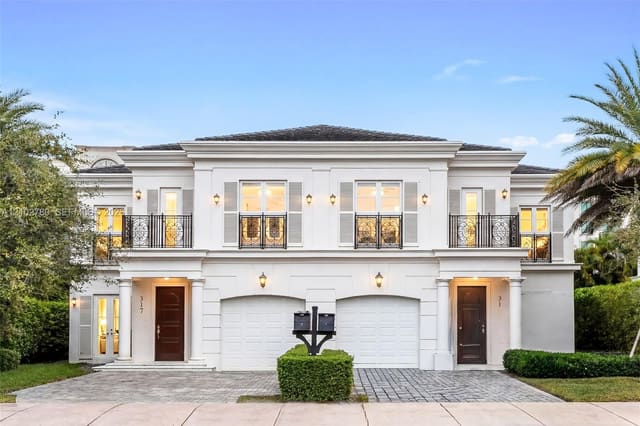
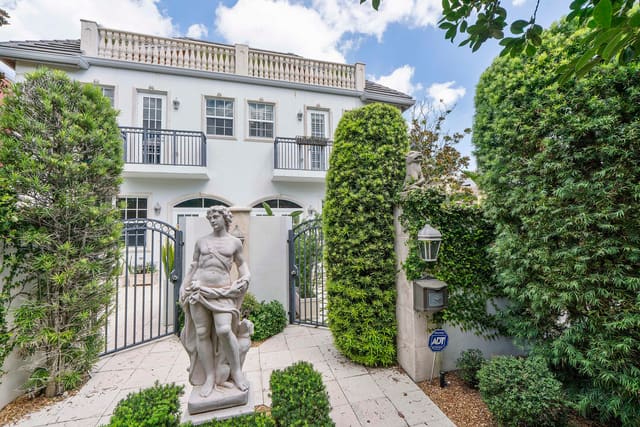
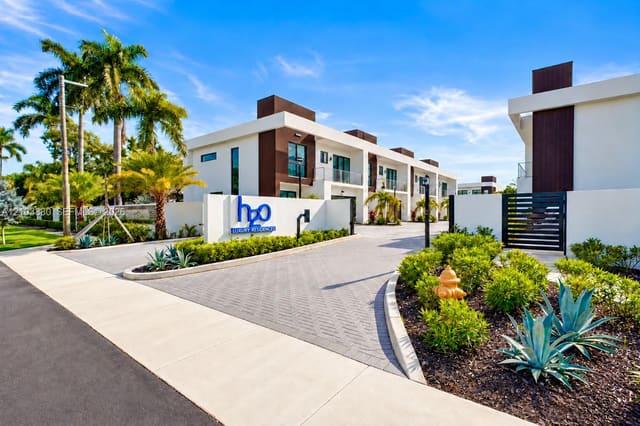
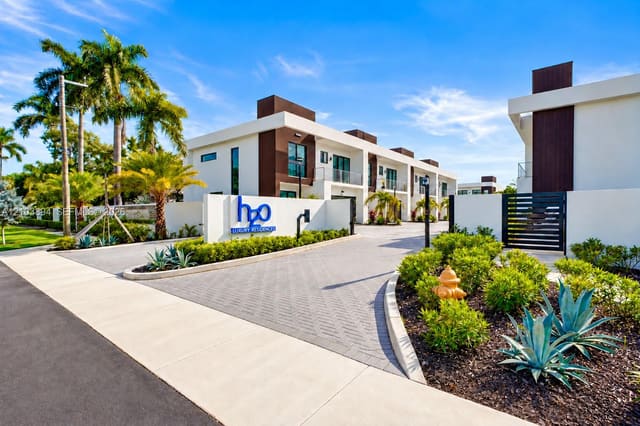
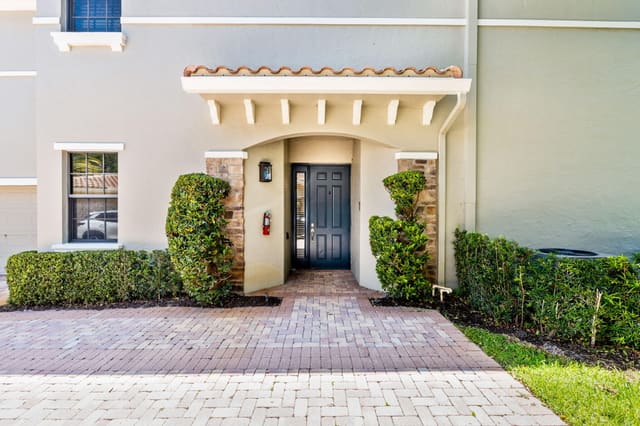
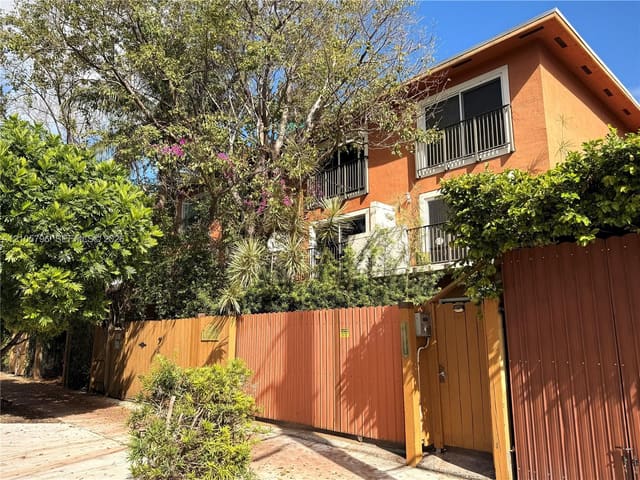
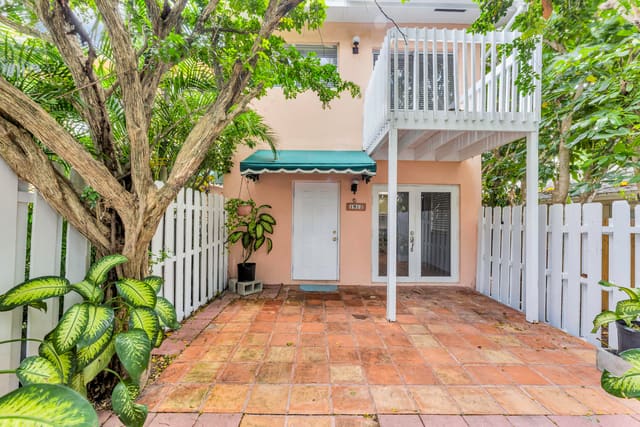
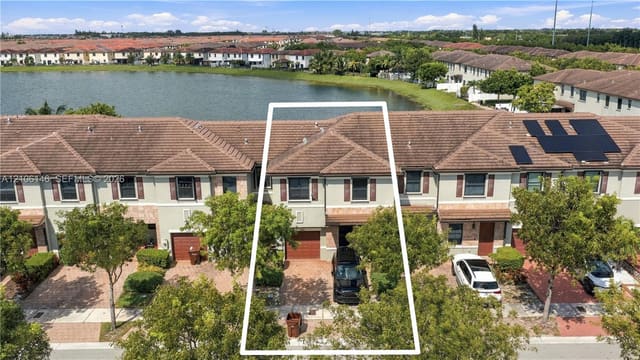
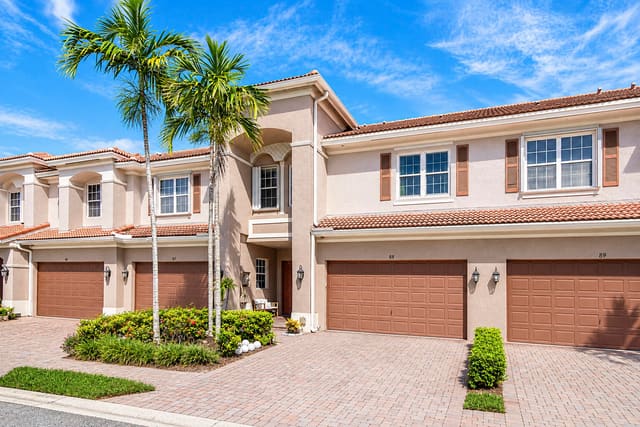
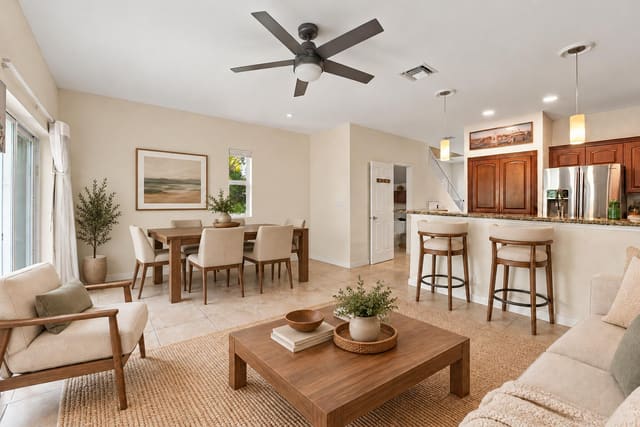
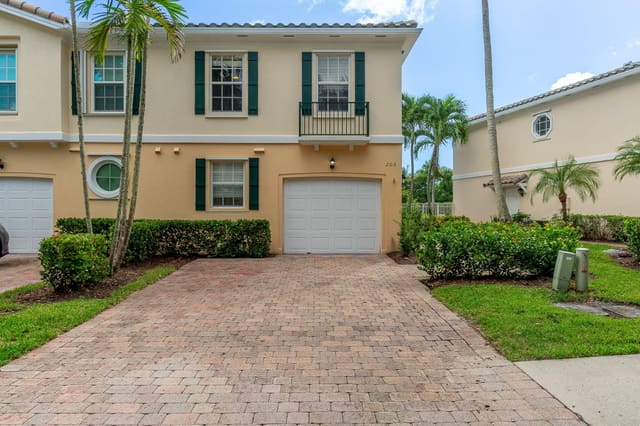
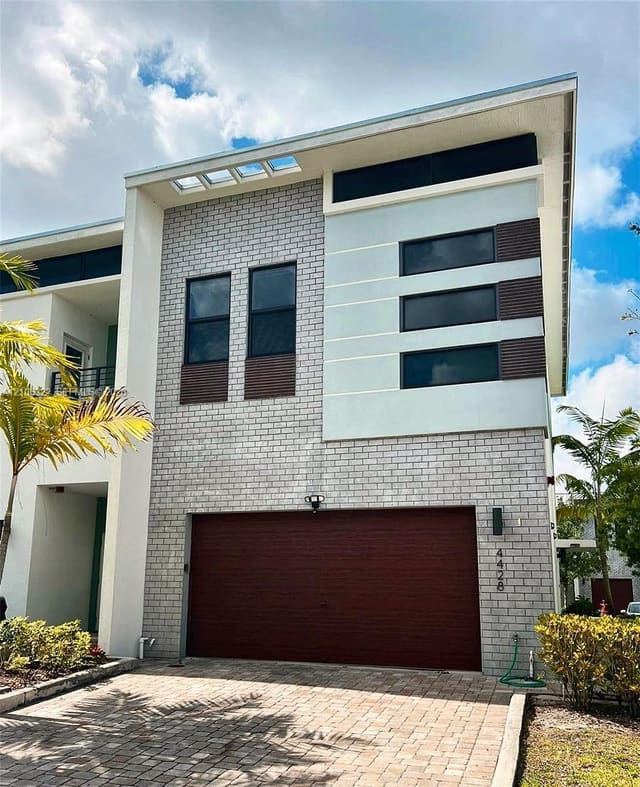
Townhomes across South Florida, the middle ground between a condo and a single-family home, often with a private entrance and lower upkeep.
Get Listings Alerts
Be the first to know when a new townhouses listing hits the market in South Florida.
Browse
Townhouses in South Florida





Stay Ahead of the Market
Tell us what you're looking for and we'll send matches as they hit the market.
Explore by County
Featured Communities
Townhouses in South Florida
Townhouses: What to Know
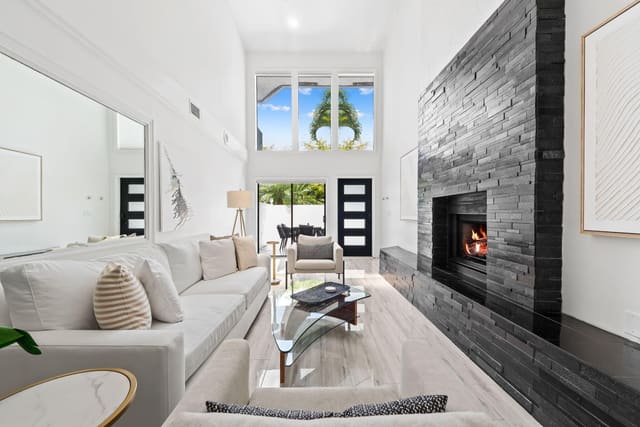
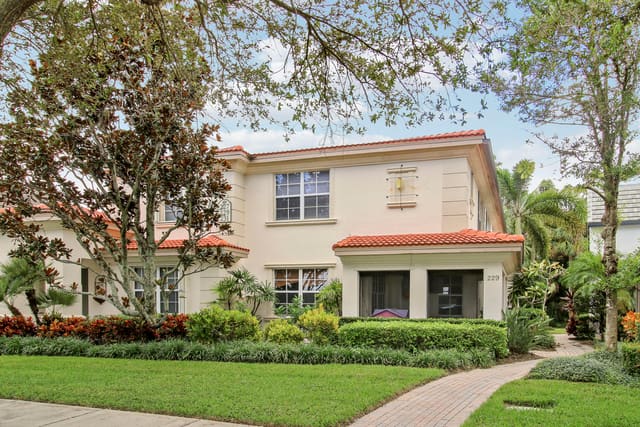
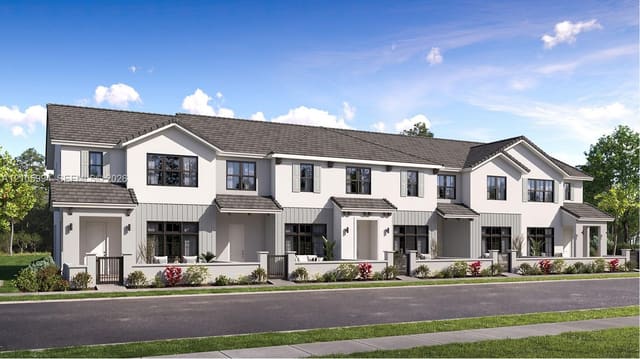
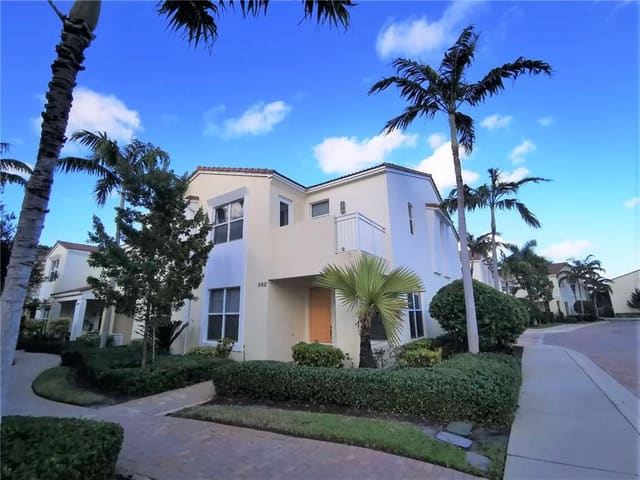
A townhouse sits in the middle ground between a condo and a single-family home, and for many South Florida buyers that middle is exactly right. You typically get multiple levels of living space, your own front door rather than a shared interior hallway, and often an attached garage, while an HOA handles the exterior, the roof, and the grounds. That mix appeals to first-time buyers priced out of single-family homes, busy professionals who do not want yard work, downsizers who still want room to spread out, and investors looking for a manageable rental.
The defining trade is ownership style. In most South Florida townhome communities you own the structure and the land it sits on, which is closer to single-family ownership than a condo, where you own the interior airspace and share the building. That distinction affects financing, insurance, and how dues are structured, so it is worth confirming early whether a given community is set up as fee-simple townhomes or as condos that happen to look like townhomes. Your agent and the association documents will spell it out.
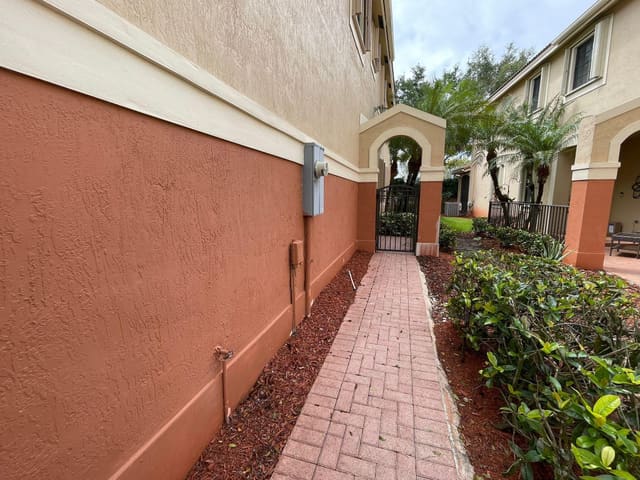
Townhomes carry HOA dues, and understanding what they cover is central to a smart purchase. Dues usually fund landscaping, common-area upkeep, and often the roof and exterior maintenance, which spares you the big-ticket surprises that come with a freestanding house. Read what is included and what is not, since some communities cover exterior insurance and roof reserves while others leave more to the owner. Ask about the reserve fund and any recent or upcoming special assessments, because a thin reserve can mean a large bill later, and roof or paint projects across a community add up.
These are deed-restricted communities, so rules come with the territory. Expect guidelines on exterior changes, parking, and pets, and pay close attention to rental restrictions if you plan to lease the home. Some associations cap the number of rentals, require a minimum lease term, or impose a waiting period after purchase before you can rent at all. For an investor, those rules can make or break the plan, so review the declaration and bylaws before you commit. Pet owners should check breed, size, and number limits as well.
Living between two neighbors brings a few practical considerations. Shared walls mean sound can travel, so it is worth visiting at different times and asking about construction. Insurance for a townhome can differ from a single-family policy, and in this region wind coverage, the roof's age, and flood zone all influence the premium even when the HOA carries a master policy. Confirm what the association insures versus what you need to cover yourself, since the line between the two is not always obvious.
Townhomes tend to hold value well in South Florida because they answer a real demand: more space and privacy than a condo at a lower price and lower upkeep than a house. They are common in desirable school zones and near employment centers, which supports resale and rental interest. Pure Equity helps buyers across Palm Beach, Broward, Miami-Dade, and our other counties compare communities, read the HOA budget and rules with a clear eye, and understand exactly what a given association does and does not cover. Whether you are buying your first home or adding to a rental portfolio, we make sure the fine print works for you before you sign.
Questions
Townhouses: Frequently asked questions
What is the difference between a townhouse and a condo?
With most townhomes you own the structure and the land beneath it, while a condo means you own the interior unit and share the building and land. Townhomes usually have their own entrance and often a garage. The ownership difference affects financing, insurance, and how HOA dues are structured.
What do townhouse HOA dues typically cover?
Dues commonly fund landscaping, common-area upkeep, and often the roof and exterior maintenance, sometimes including exterior insurance. Coverage varies by community, so read the association documents. Also ask about the reserve fund and any special assessments, since a thin reserve can lead to a large bill for shared projects.
Can I rent out a townhouse I buy?
Often yes, but deed-restricted communities may limit it. Some associations cap how many units can be rented, require a minimum lease term, or impose a waiting period after purchase. If you plan to lease the home, review the declaration and bylaws first, because the rules can affect an investment plan significantly.
Are townhouses a good investment in South Florida?
They can be. Townhomes meet steady demand for more space than a condo at a lower price and less upkeep than a house, which supports resale and rental interest, especially near jobs and good schools. As with any purchase, the HOA budget, rules, and rental restrictions determine whether the numbers work.
Do townhouses have rules about pets and renovations?
Usually. Deed-restricted communities often set limits on pet breed, size, and number, and require approval for exterior changes, parking, and similar items. These rules vary widely between associations, so check the bylaws before buying, particularly if you have pets or plan to alter the exterior of the home.
How is townhouse insurance different from a house?
It depends on ownership structure and what the HOA's master policy covers. In South Florida, wind coverage, roof age, and flood zone affect the premium. Confirm what the association insures versus what you must cover yourself, since the dividing line is not always obvious and gaps can be costly.
Related Reading
Townhouses: From the Journal
Keep Exploring
More Ways to Search South Florida
Thinking of Selling?
What is your South Florida home worth?
Online estimates miss what makes a home different. Tell us about yours and a licensed listing agent will send you a pricing opinion based on what has actually closed near you in South Florida.
Listing agents and seller representation in South Florida
Thinking about selling in South Florida? The agent you pick shapes two numbers: what your home closes for, and how long it takes. A listing agent, also called a seller's agent, prices the property against what has actually closed nearby. They also prepare and market it, screen the offers that arrive, and negotiate the terms rather than just the price.
Conditions in South Florida sit close to balanced, which rewards sellers who price against real closed sales instead of neighboring asking prices.
South Florida is not one market. Coastal and inland behave differently, and so do new construction and 1970s stock. Condo sellers face an extra layer, because association finances and reserve funding affect what buyers can borrow.
Pure Equity is a licensed Florida brokerage serving all eight of the South Florida counties we cover. Onias Derilus is the broker of record, Florida Real Estate Broker license BK3276618. A broker holds a higher license than an agent working under one. In practice that means the person advising you on price is also the one legally responsible for the file. That matters most when a deal gets complicated.
More on this: what is an exclusive right of sale listing? · selling when you owe more than the house is worth
Realtors and real estate agents serving South Florida
People search for realtors, real estate agents, and real estate brokers more or less interchangeably. For most purposes the job title matters less than licensing and representation. Every licensed agent in Florida works under a broker. That broker carries final responsibility for the transaction.
What separates real estate professionals in South Florida is specificity. Can they answer questions about your street, not just your city? Ask what they have closed nearby and how they arrived at a price. A grounded answer cites particular recent sales. It also explains why those homes compare to yours. Vague reassurance is the warning sign.
More on this: home value after a renovation: what actually adds · how waterfront homes are valued · when and how to price your home
Buyer's agents in South Florida
A buyer's agent represents the purchaser rather than the owner. They identify properties that actually fit and research what comparable homes sold for, not what they asked. They also advise on offer strategy. Finally, they manage inspection and financing deadlines through to closing.
Where buyers have room to negotiate, as they do in South Florida, the leverage is only worth something if you know where it exists and what to ask for. If you are buying and selling at the same time, which is common for people moving within South Florida, sequencing the two is its own skill: contingencies, timing, and what happens if one closing slips all need planning before either home goes on the market.
What representation costs
Real estate commissions are negotiable. No law, multiple listing service, or association sets them. If an agent tells you there is a standard rate, they are misinforming you. What you pay is agreed between you and the brokerage you hire. Get it in writing before the work begins.
Industry rules changed in 2024. Now a buyer and their agent must put compensation in a written buyer agreement before touring homes together. Sellers may still offer to contribute toward the buyer's side. However, that is negotiated rather than assumed. It is worth thinking through with your listing agent before you go live.
More on this: how commission is actually structured · what you actually walk away with · seller concessions, and when to offer them
Buying Instead?
Search South Florida with someone local
We will tell you which listings are worth your time, what comparable homes actually closed for, and how to structure an offer that holds up through inspection and financing.
Frequently asked questions
How do I find a listing agent in South Florida?
Ask any listing agent you interview two questions. Which homes have they closed near South Florida, and how did they arrive at their suggested price? A grounded answer names recent closed sales. It also explains why those homes compare to yours. Optimistic pricing costs sellers more than almost any other decision. Verify the license too. Florida licenses are public and searchable through the state's DBPR portal. Pure Equity is a licensed brokerage serving South Florida. You can reach the broker directly at (561) 835-5400.
What does a seller's agent actually do?
A seller's agent prices the home against comparable closed sales. Before it goes live, they advise on repairs and presentation. Then they handle photography and marketing, and put the home in front of buyers and other agents. When offers arrive, they screen them and negotiate both price and terms. Terms matter as much as the number, because inspection windows, financing contingencies, and closing dates all affect whether an offer reaches the closing table.
How much does a real estate agent cost in South Florida?
Commissions are fully negotiable. No law or real estate board sets them. What you pay is whatever you and your brokerage agree to in writing before work begins. Since the 2024 rule changes, buyers and their agents must agree compensation in a written buyer agreement before touring homes. Any seller contribution toward the buyer's side is negotiated rather than automatic. Ask any agent you interview to put their fee in writing.
What is the difference between a realtor, a real estate agent, and a broker?
A real estate agent holds a state license to represent buyers and sellers. A broker holds a higher-level license and can operate a brokerage. That broker also carries final legal responsibility for the office's transactions. Realtor is a membership term for agents belonging to the National Association of Realtors. For someone buying or selling in South Florida, three practical questions matter. Is the person licensed, who do they represent in your transaction, and what can they actually tell you about your local market?
Do I need an agent to buy a home in South Florida?
You are not legally required to use one, but most buyers in South Florida do. A buyer's agent handles the parts that are easy to get wrong. That means identifying what comparable homes actually closed for, spotting condition or association issues early, and managing inspection and financing deadlines. Even in a slower market, negotiating room is only useful if you know where it exists.
Can one agent help me sell my current home and buy the next one?
Yes. For people moving within South Florida it is often the more practical route, because one person coordinates both timelines. Sequencing is the hard part. Should your purchase be contingent on your sale? How would you cover a gap if the closings do not line up? What happens if one side is delayed? Plan all of that before either home is listed, rather than after an offer arrives.
Keep Reading
More from Pure Equity
- Underwater mortgage
- Unrestricted land
- Va loans
- Valencia florida homes for sale
- Vann kay ou palm beach
- Villas
- Waterfront homes
- Waterfront homes under 300k
- Waterfront land
- We buy houses cash florida