
South Florida
Commercial Land for Sale in Florida
Commercial and development land across South Florida, pad sites, mixed-use parcels, and infill lots in growth corridors.
Get Listings Alerts
Be the first to know when a new commercial land listing hits the market in South Florida.
Browse
Commercial Land in South Florida
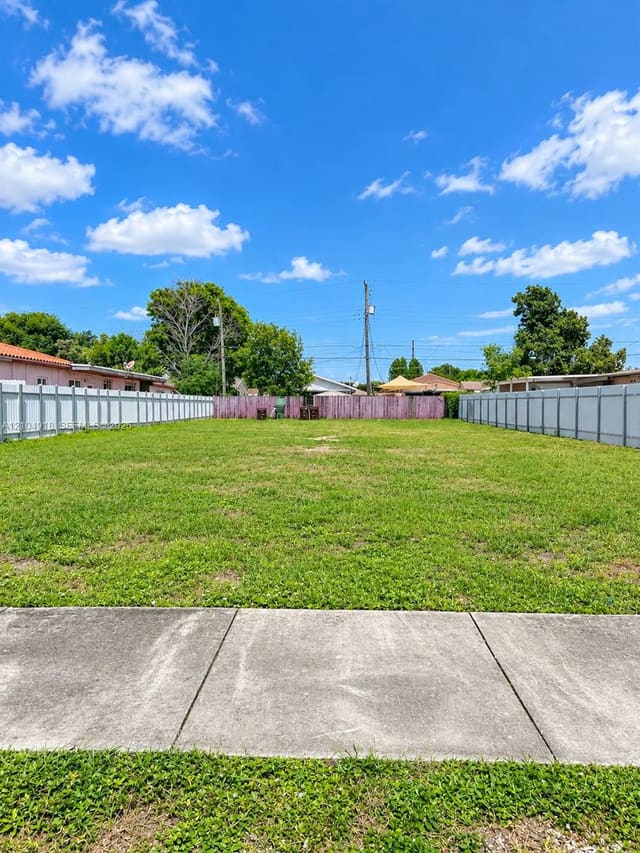
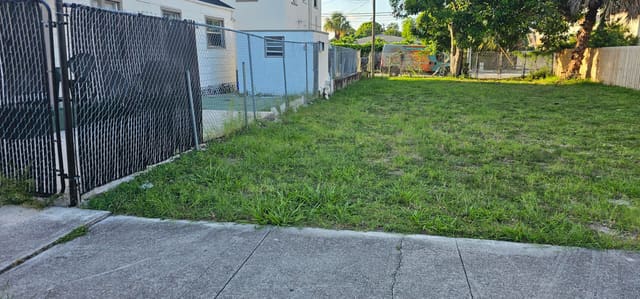
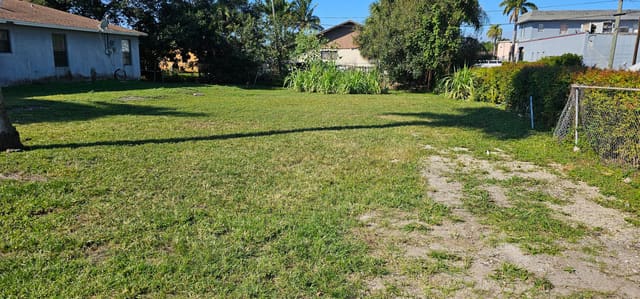
Stay Ahead of the Market
Tell us what you're looking for and we'll send matches as they hit the market.
Explore by County
Featured Communities
Commercial Land in South Florida
Commercial Land: What to Know
Commercial land is property zoned and positioned for business use rather than housing: retail sites, office parcels, industrial and warehouse tracts, mixed-use development land, and pad sites carved out of larger projects. Buyers range from developers assembling a shopping center or apartment community, to franchisees and operators who need a corner for a store or restaurant, to investors banking land along a corridor they expect to grow. Florida's steady population and business migration keep demand for well-placed commercial land strong, particularly in the expanding corridors of South and Central Florida. Unlike a home lot, the value here is driven almost entirely by what the land can produce, so the analysis is about location, zoning, entitlements, and the numbers a future project will generate.
Location and traffic counts sit at the heart of commercial value, and the differences are stark. A retail or restaurant pad lives or dies on visibility, access, and the number of cars passing daily, so traffic counts, the average daily vehicle figure published for a road segment, are a core metric buyers underwrite. Corner lots with a signal, easy ingress and egress, and strong counts command a premium because they drive sales. Industrial land instead values proximity to highways, interstates, and freight routes over street visibility. Office and mixed-use land leans on the surrounding rooftops, daytime population, and employment base. Before pricing a parcel, understand exactly which commercial use the location actually supports, because a great industrial site can be a poor retail site and vice versa.
Zoning and entitlements determine what you can build and how long it will take, and they often matter more than the raw price per acre. Commercial zoning categories are specific about permitted uses, building height, lot coverage, parking ratios, and setbacks, and a parcel zoned for one use may need a rezoning or a conditional use approval for another, a process that takes months and is never guaranteed. Entitlements, the approvals that let you actually develop, including site plan approval, platting, variances, and concurrency sign-offs, add real value when already in place and real cost and risk when they are not. Land sold with approved entitlements trades at a premium for good reason. A buyer who understands the entitlement gap between what a parcel is zoned for and what they want to do holds a major advantage.
Utilities, impact fees, and infrastructure are where commercial pro formas are won or lost. Confirm that water, sewer, and adequate electric and gas reach the site with enough capacity for the intended use, because extending mains or upgrading service can cost a great deal, and some corridors are constrained on sewer or water capacity. Impact fees, the one-time charges local governments levy to fund roads, utilities, schools, and services tied to new development, can run substantial on commercial projects and vary widely by county and use; they belong in the budget from day one. Stormwater management, required retention or detention ponds, and offsite road improvements can consume usable land and capital. A parcel that looks affordable per acre can carry development costs that change the math entirely.
Environmental review and due diligence carry extra weight on commercial land, particularly former agricultural, industrial, or gas-station sites. A Phase I environmental site assessment screens for contamination history, and if it flags concerns, a Phase II involves soil and groundwater testing; lenders typically require the Phase I, and discovering contamination after closing can be financially severe. Wetlands and protected species can constrain the developable area and trigger mitigation, and flood zones affect both design and insurability. Add a current survey, a title search for easements and access, and a market study confirming demand for the intended use. Commercial deals reward thorough, professional diligence because the dollars at stake and the cost of a mistake are larger than on residential land.
Pure Equity helps commercial land buyers and sellers read the full picture: whether the zoning and entitlements support the intended use, what the traffic counts and surrounding demand really say, where utilities and impact fees land in the budget, and what environmental or site constraints could affect a deal. We work the South and Central Florida growth corridors where commercial land is moving and connect clients with the engineers, environmental consultants, and land-use professionals these transactions require. If you are evaluating retail, office, industrial, mixed-use, or pad-site land anywhere in our service area, reach out and we will help you underwrite it with clear eyes.
Questions
Commercial Land: Frequently asked questions
What makes commercial land worth more than residential land?
Commercial land is valued on its income potential, so location, zoning, entitlements, traffic counts, and the revenue a future project can generate drive price, not livability. A well-placed corner with strong traffic and approved entitlements can be worth far more than nearby residential acreage because of what a business can build and earn there. The use the land supports determines the value.
Why do traffic counts matter so much for commercial sites?
For retail, restaurant, and many service uses, the number of vehicles passing daily directly drives sales, so buyers underwrite the published average daily traffic count for the road segment. High counts plus good visibility and easy access command a premium. Industrial land cares more about highway and freight proximity, so match the parcel's traffic profile to the intended commercial use.
What are entitlements and why do they affect price?
Entitlements are the government approvals that let you actually develop: site plan approval, platting, rezoning, variances, and concurrency sign-offs. Land sold already entitled trades at a premium because the buyer avoids months of approvals and the risk they fail. Unentitled land is cheaper but carries time, cost, and uncertainty. Knowing the gap between current zoning and your plan is a major advantage.
How much should I budget for impact fees on commercial land?
Impact fees are one-time charges local governments levy on new development to fund roads, utilities, and services, and on commercial projects they can be substantial. Amounts vary widely by county and by use, so a warehouse and a restaurant pay very differently. Get the specific fee schedule for the jurisdiction and use early, and build it into the pro forma from the start.
Do I need an environmental assessment before buying commercial land?
Almost always, especially on former agricultural, industrial, or fuel-station sites. A Phase I environmental site assessment reviews the contamination history, and lenders typically require it. If it raises concerns, a Phase II adds soil and groundwater testing. Discovering contamination after closing can be very costly, so completing the Phase I during diligence protects you before you commit.
Can I change the zoning if a parcel is not zoned for my use?
Sometimes, through rezoning or a conditional use approval, but it is never guaranteed and takes months of applications, hearings, and possibly opposition. The outcome depends on the local comprehensive plan and community input. Never assume rezoning will succeed; if your plan needs it, factor the time, cost, and risk, or make your purchase contingent on the approval.
Keep Exploring
More Ways to Search South Florida
Thinking of Selling?
What is your South Florida home worth?
Online estimates miss what makes a home different. Tell us about yours and a licensed listing agent will send you a pricing opinion based on what has actually closed near you in South Florida.
Listing agents and seller representation in South Florida
Thinking about selling in South Florida? The agent you pick shapes two numbers: what your home closes for, and how long it takes. A listing agent, also called a seller's agent, prices the property against what has actually closed nearby. They also prepare and market it, screen the offers that arrive, and negotiate the terms rather than just the price.
Conditions in South Florida sit close to balanced, which rewards sellers who price against real closed sales instead of neighboring asking prices.
South Florida is not one market. Coastal and inland behave differently, and so do new construction and 1970s stock. Condo sellers face an extra layer, because association finances and reserve funding affect what buyers can borrow.
Pure Equity is a licensed Florida brokerage serving all eight of the South Florida counties we cover. Onias Derilus is the broker of record, Florida Real Estate Broker license BK3276618. A broker holds a higher license than an agent working under one. In practice that means the person advising you on price is also the one legally responsible for the file. That matters most when a deal gets complicated.
More on this: what is an exclusive right of sale listing? · selling when you owe more than the house is worth
Realtors and real estate agents serving South Florida
People search for realtors, real estate agents, and real estate brokers more or less interchangeably. For most purposes the job title matters less than licensing and representation. Every licensed agent in Florida works under a broker. That broker carries final responsibility for the transaction.
What separates real estate professionals in South Florida is specificity. Can they answer questions about your street, not just your city? Ask what they have closed nearby and how they arrived at a price. A grounded answer cites particular recent sales. It also explains why those homes compare to yours. Vague reassurance is the warning sign.
More on this: home value after a renovation: what actually adds · how waterfront homes are valued · when and how to price your home
Buyer's agents in South Florida
A buyer's agent represents the purchaser rather than the owner. They identify properties that actually fit and research what comparable homes sold for, not what they asked. They also advise on offer strategy. Finally, they manage inspection and financing deadlines through to closing.
Where buyers have room to negotiate, as they do in South Florida, the leverage is only worth something if you know where it exists and what to ask for. If you are buying and selling at the same time, which is common for people moving within South Florida, sequencing the two is its own skill: contingencies, timing, and what happens if one closing slips all need planning before either home goes on the market.
What representation costs
Real estate commissions are negotiable. No law, multiple listing service, or association sets them. If an agent tells you there is a standard rate, they are misinforming you. What you pay is agreed between you and the brokerage you hire. Get it in writing before the work begins.
Industry rules changed in 2024. Now a buyer and their agent must put compensation in a written buyer agreement before touring homes together. Sellers may still offer to contribute toward the buyer's side. However, that is negotiated rather than assumed. It is worth thinking through with your listing agent before you go live.
More on this: how commission is actually structured · what you actually walk away with · seller concessions, and when to offer them
Buying Instead?
Search South Florida with someone local
We will tell you which listings are worth your time, what comparable homes actually closed for, and how to structure an offer that holds up through inspection and financing.
Frequently asked questions
How do I find a listing agent in South Florida?
Ask any listing agent you interview two questions. Which homes have they closed near South Florida, and how did they arrive at their suggested price? A grounded answer names recent closed sales. It also explains why those homes compare to yours. Optimistic pricing costs sellers more than almost any other decision. Verify the license too. Florida licenses are public and searchable through the state's DBPR portal. Pure Equity is a licensed brokerage serving South Florida. You can reach the broker directly at (561) 835-5400.
What does a seller's agent actually do?
A seller's agent prices the home against comparable closed sales. Before it goes live, they advise on repairs and presentation. Then they handle photography and marketing, and put the home in front of buyers and other agents. When offers arrive, they screen them and negotiate both price and terms. Terms matter as much as the number, because inspection windows, financing contingencies, and closing dates all affect whether an offer reaches the closing table.
How much does a real estate agent cost in South Florida?
Commissions are fully negotiable. No law or real estate board sets them. What you pay is whatever you and your brokerage agree to in writing before work begins. Since the 2024 rule changes, buyers and their agents must agree compensation in a written buyer agreement before touring homes. Any seller contribution toward the buyer's side is negotiated rather than automatic. Ask any agent you interview to put their fee in writing.
What is the difference between a realtor, a real estate agent, and a broker?
A real estate agent holds a state license to represent buyers and sellers. A broker holds a higher-level license and can operate a brokerage. That broker also carries final legal responsibility for the office's transactions. Realtor is a membership term for agents belonging to the National Association of Realtors. For someone buying or selling in South Florida, three practical questions matter. Is the person licensed, who do they represent in your transaction, and what can they actually tell you about your local market?
Do I need an agent to buy a home in South Florida?
You are not legally required to use one, but most buyers in South Florida do. A buyer's agent handles the parts that are easy to get wrong. That means identifying what comparable homes actually closed for, spotting condition or association issues early, and managing inspection and financing deadlines. Even in a slower market, negotiating room is only useful if you know where it exists.
Can one agent help me sell my current home and buy the next one?
Yes. For people moving within South Florida it is often the more practical route, because one person coordinates both timelines. Sequencing is the hard part. Should your purchase be contingent on your sale? How would you cover a gap if the closings do not line up? What happens if one side is delayed? Plan all of that before either home is listed, rather than after an offer arrives.
Keep Reading
More from Pure Equity
- Condos
- Condos under 200k
- Downsizing
- Equestrian homes
- Expired listing
- Farmland for sale
- First time home buyers
- Fix and flip
- Florida home inspection
- Florida real estate contract