Loading…
Loading…
South Florida
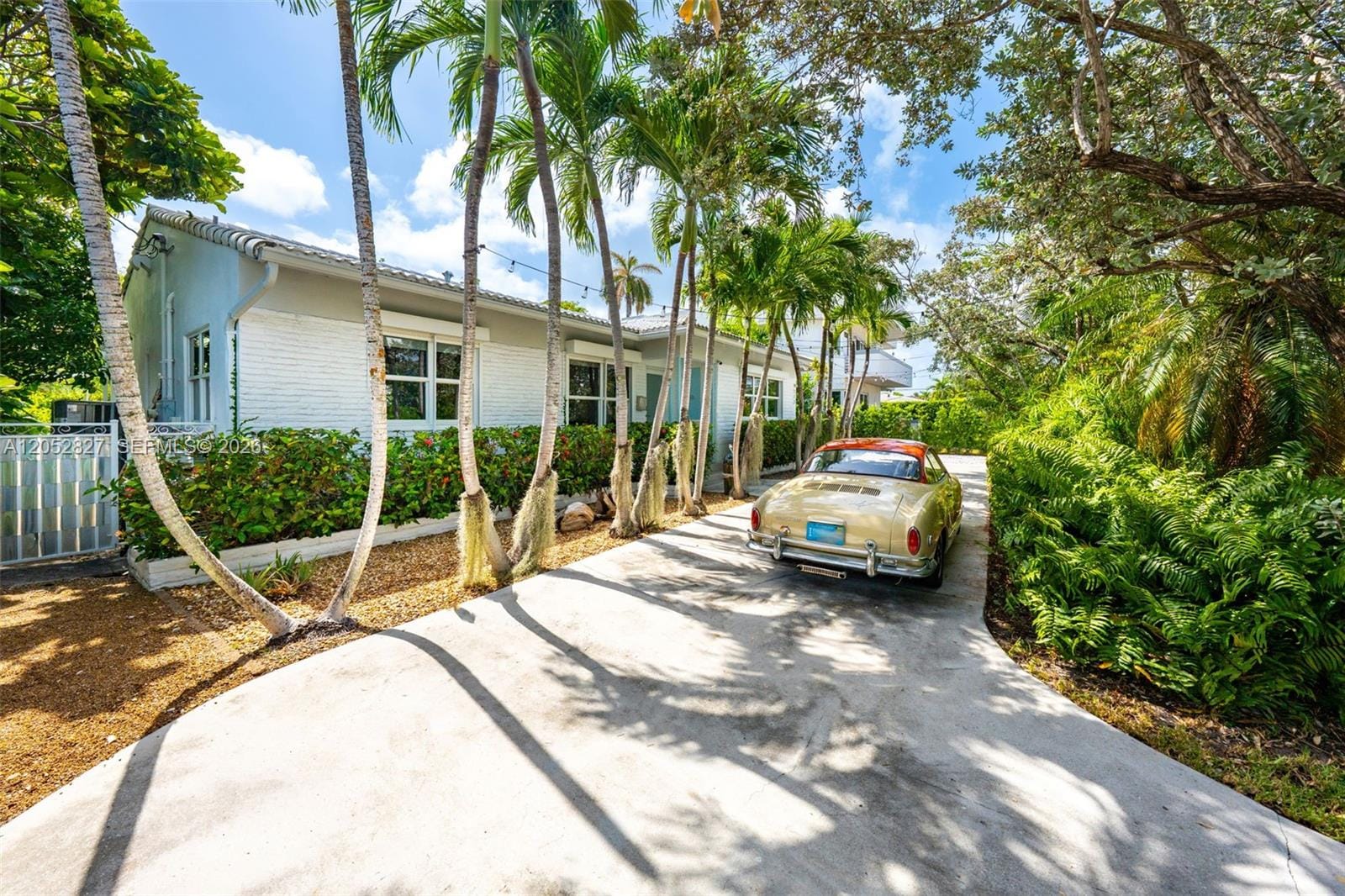
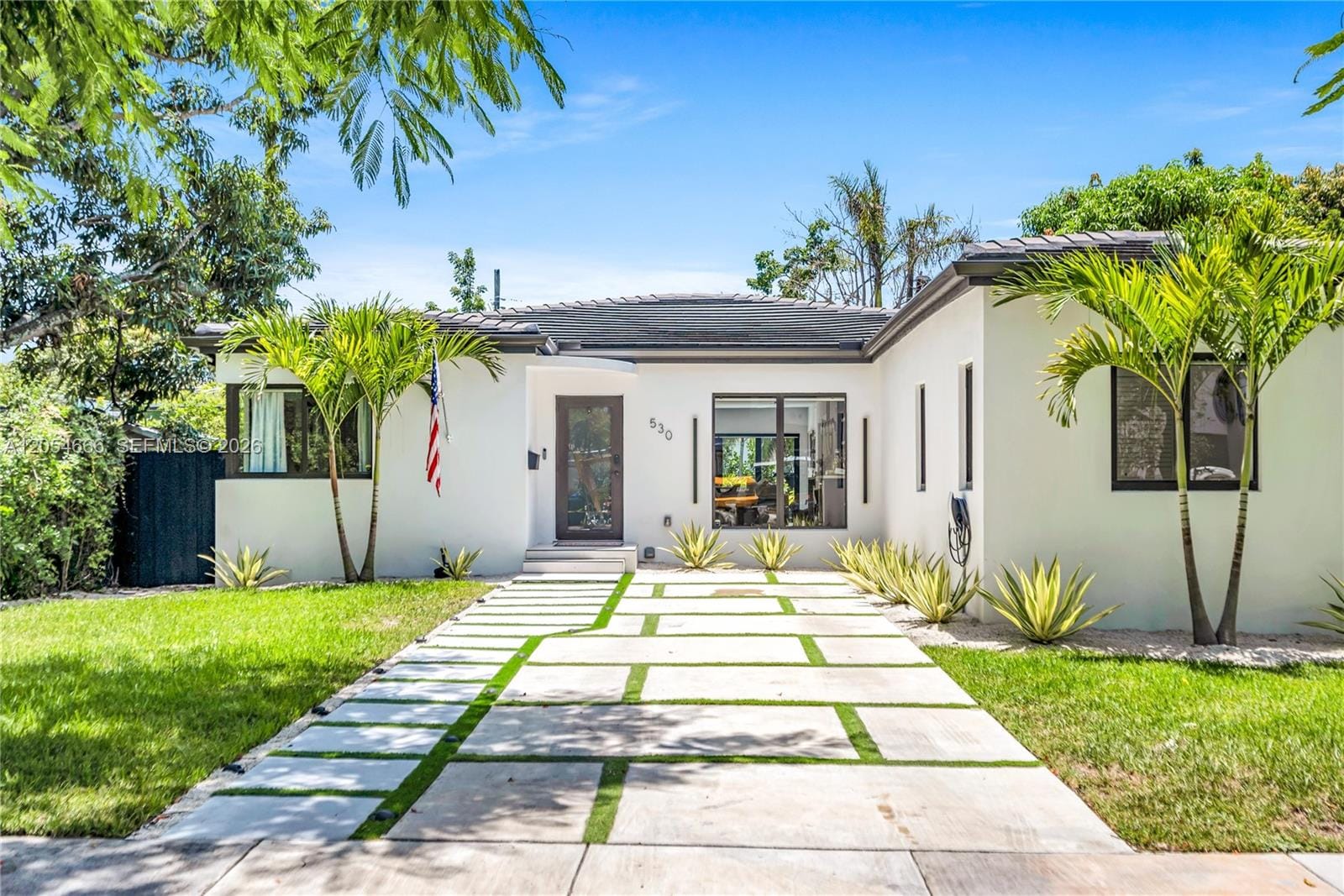
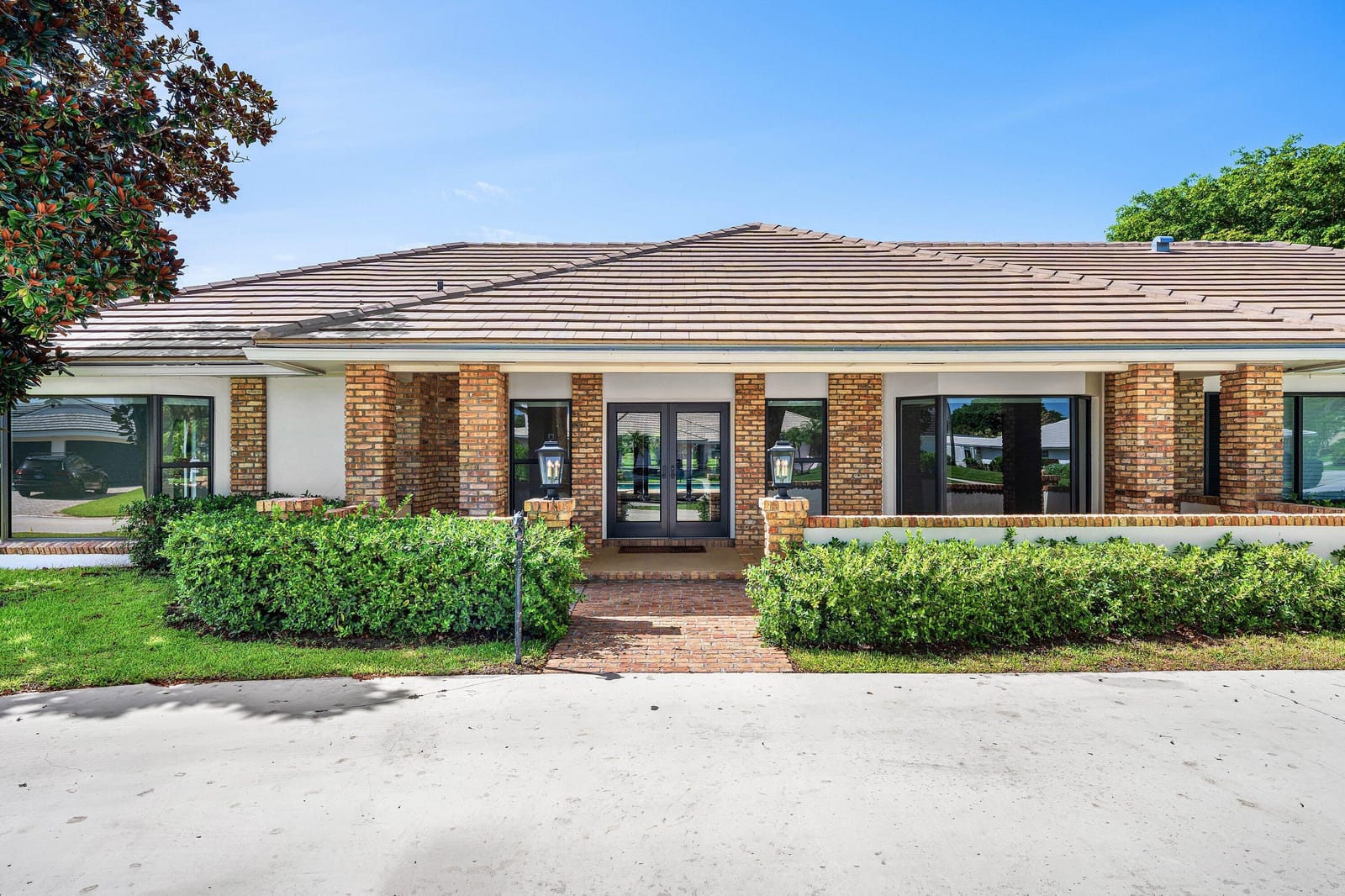
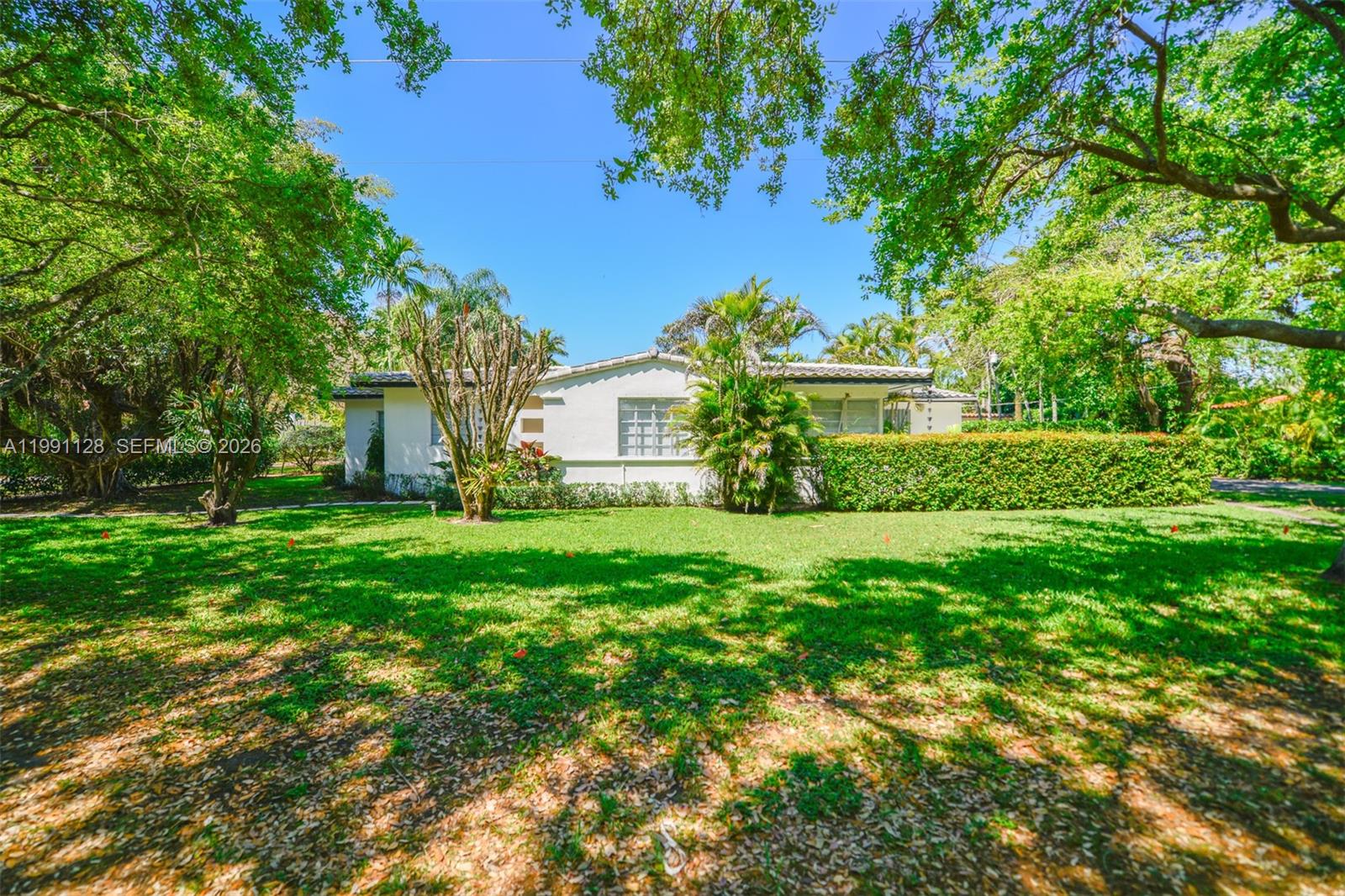
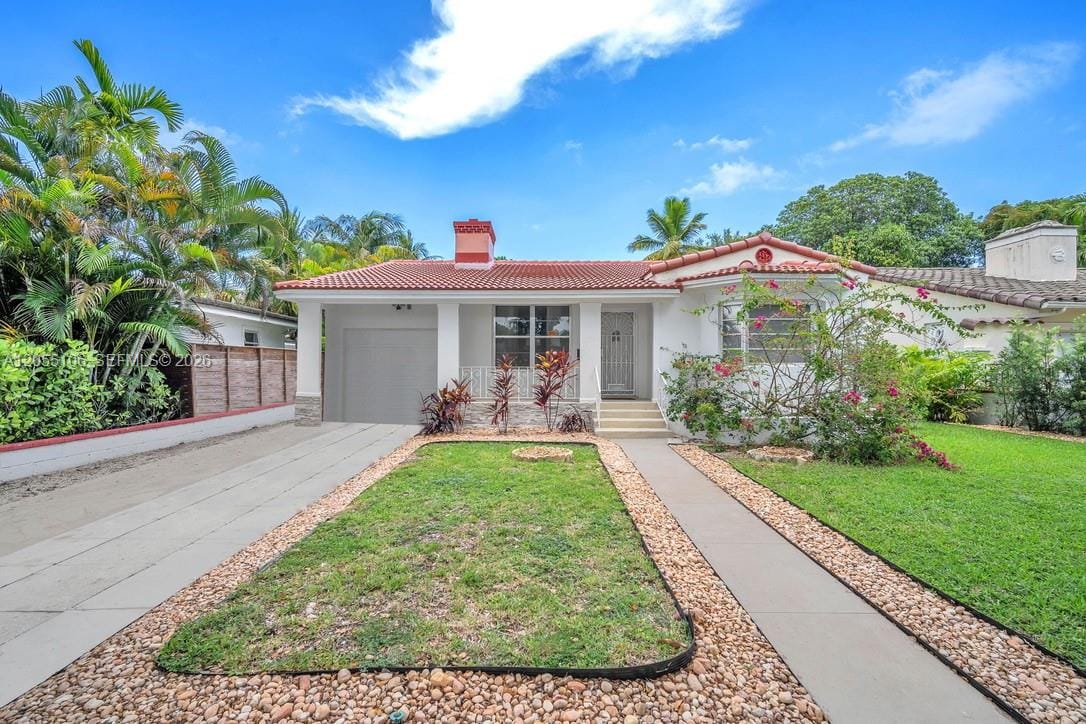
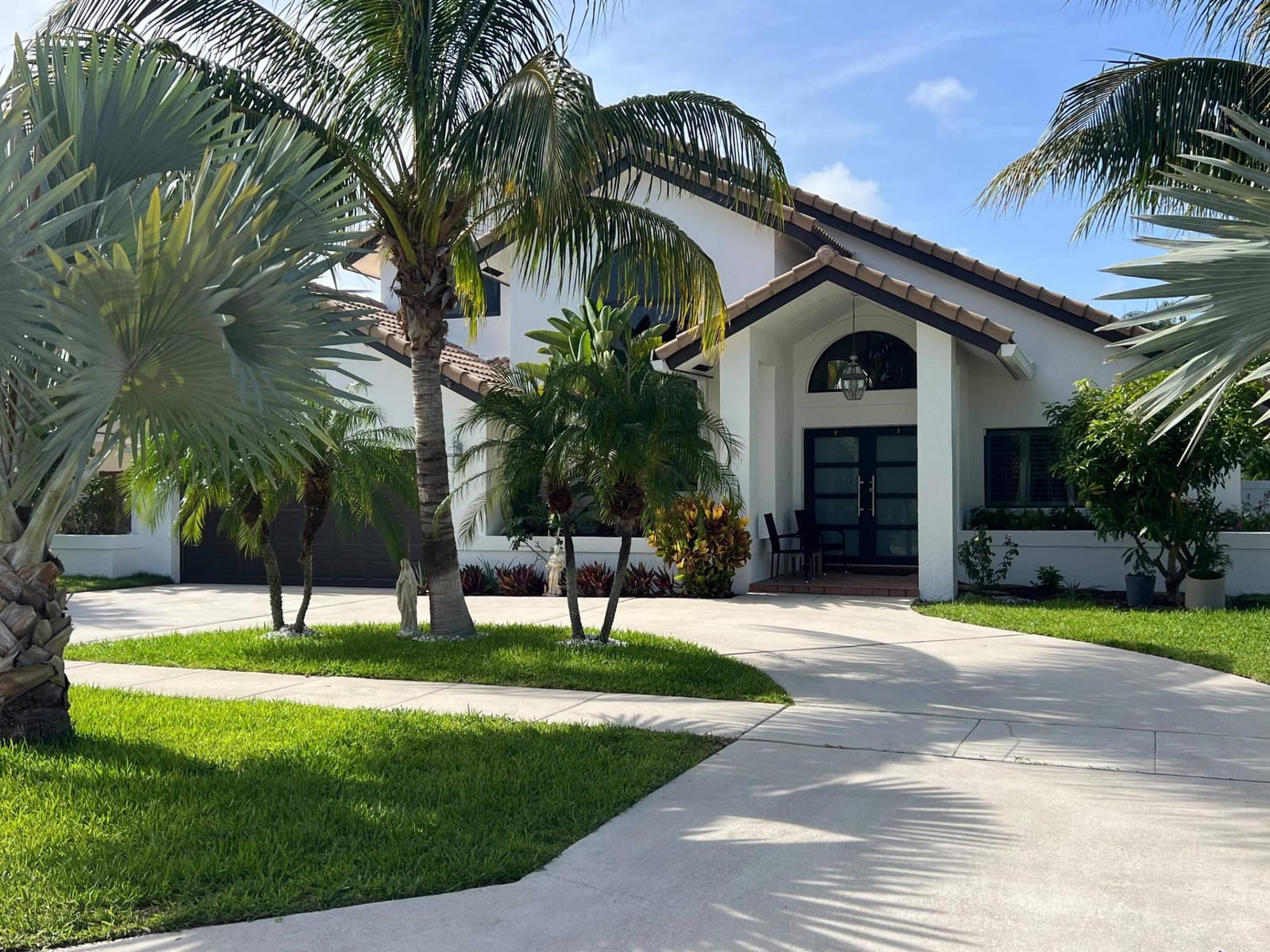
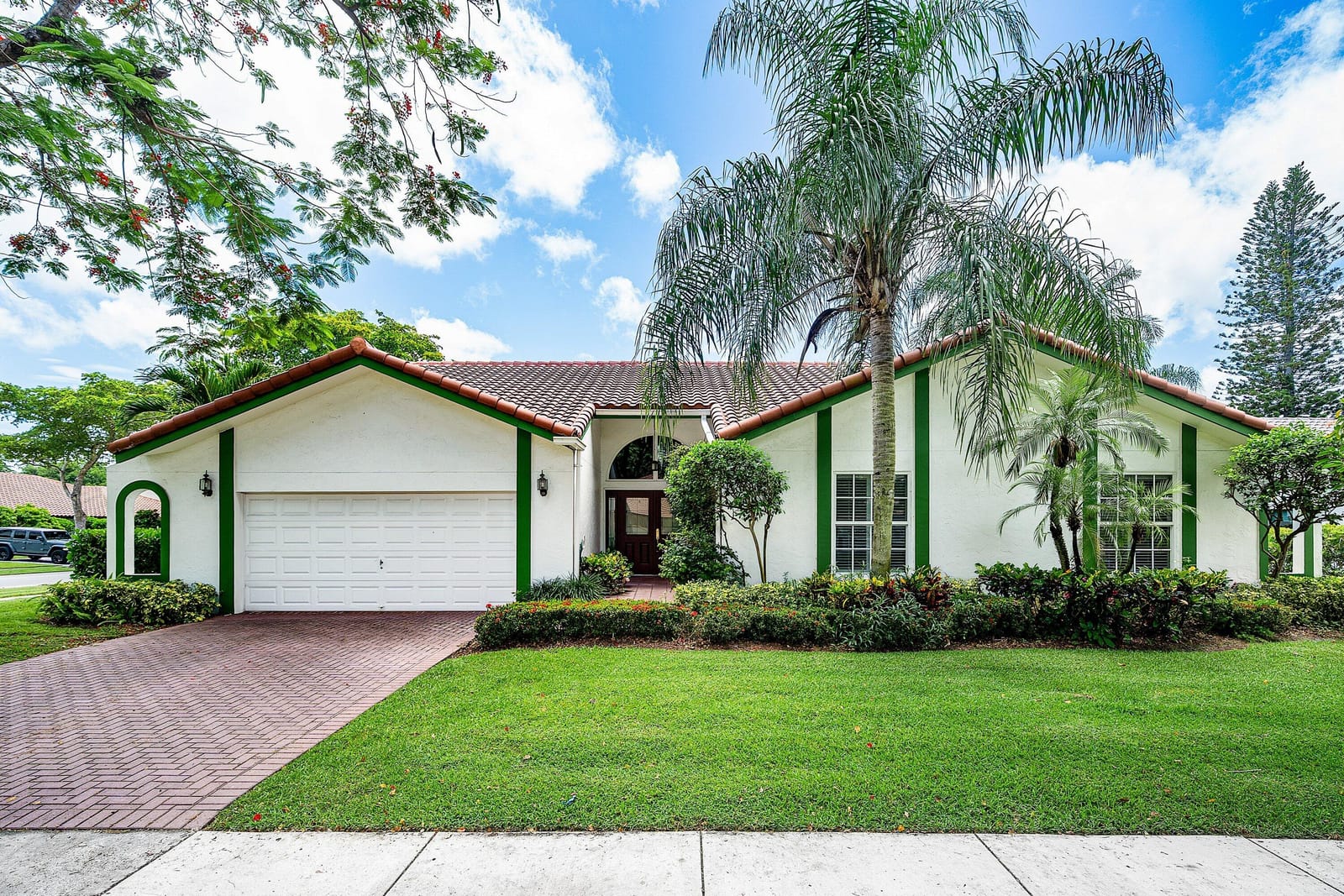
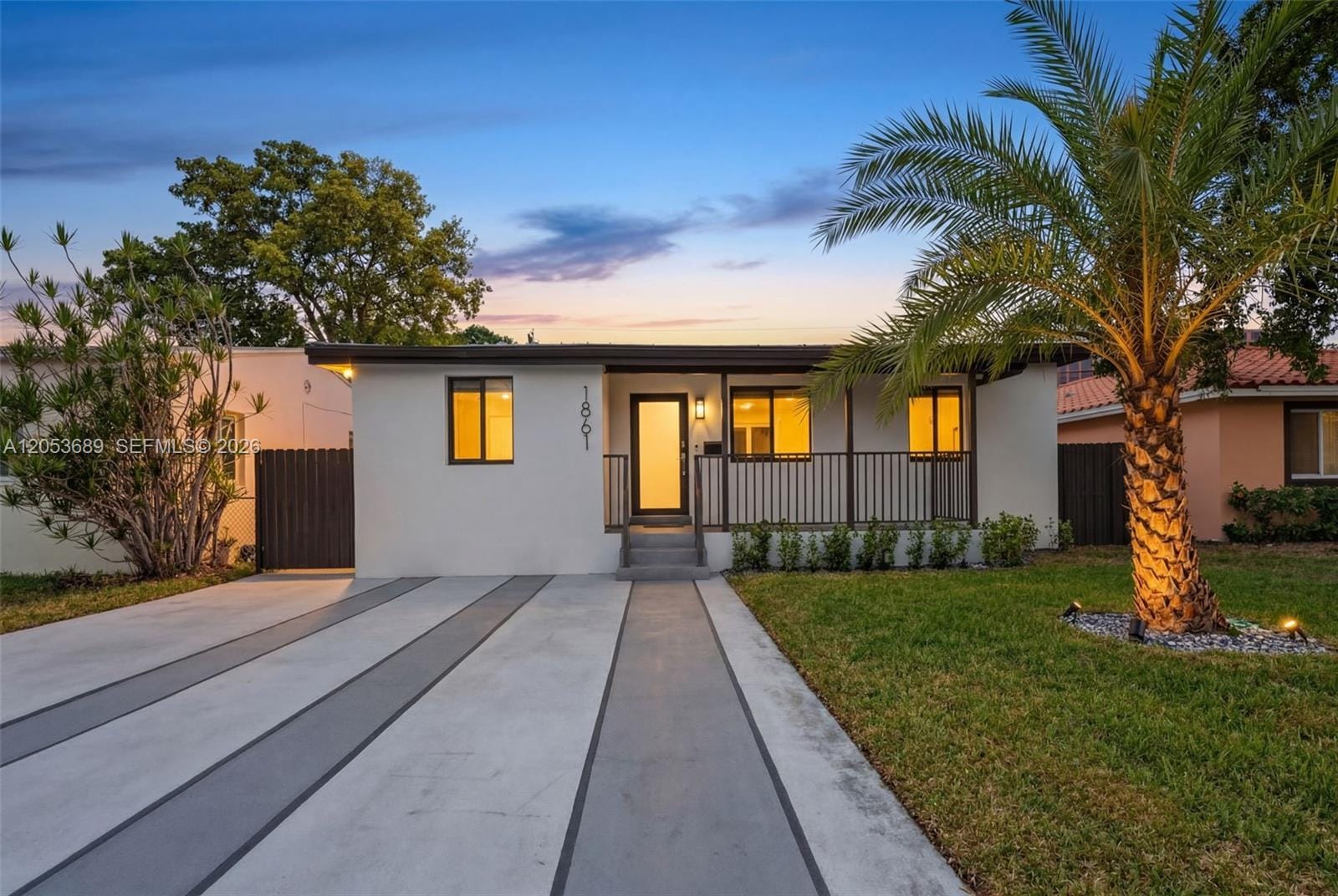
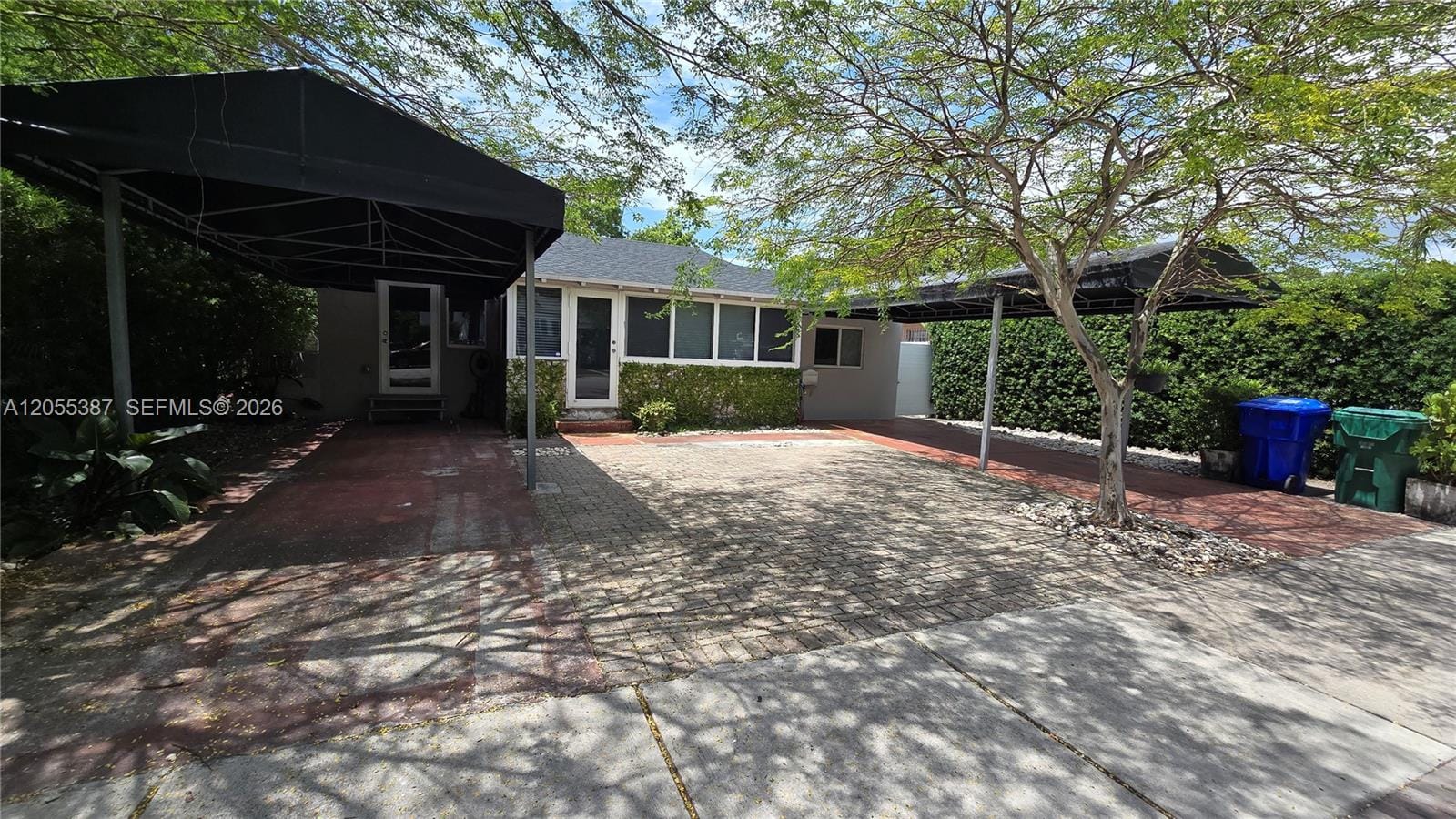
Character-rich historic and vintage homes across South Florida, from 1920s Mediterranean Revival to Art Deco and mid-century classics.
Get Listings Alerts
Be the first to know when a new historic homes listing hits the market in South Florida.
Browse
Tell us what you're looking for and we'll send matches as they hit the market.
Explore by County
Historic Homes in South Florida
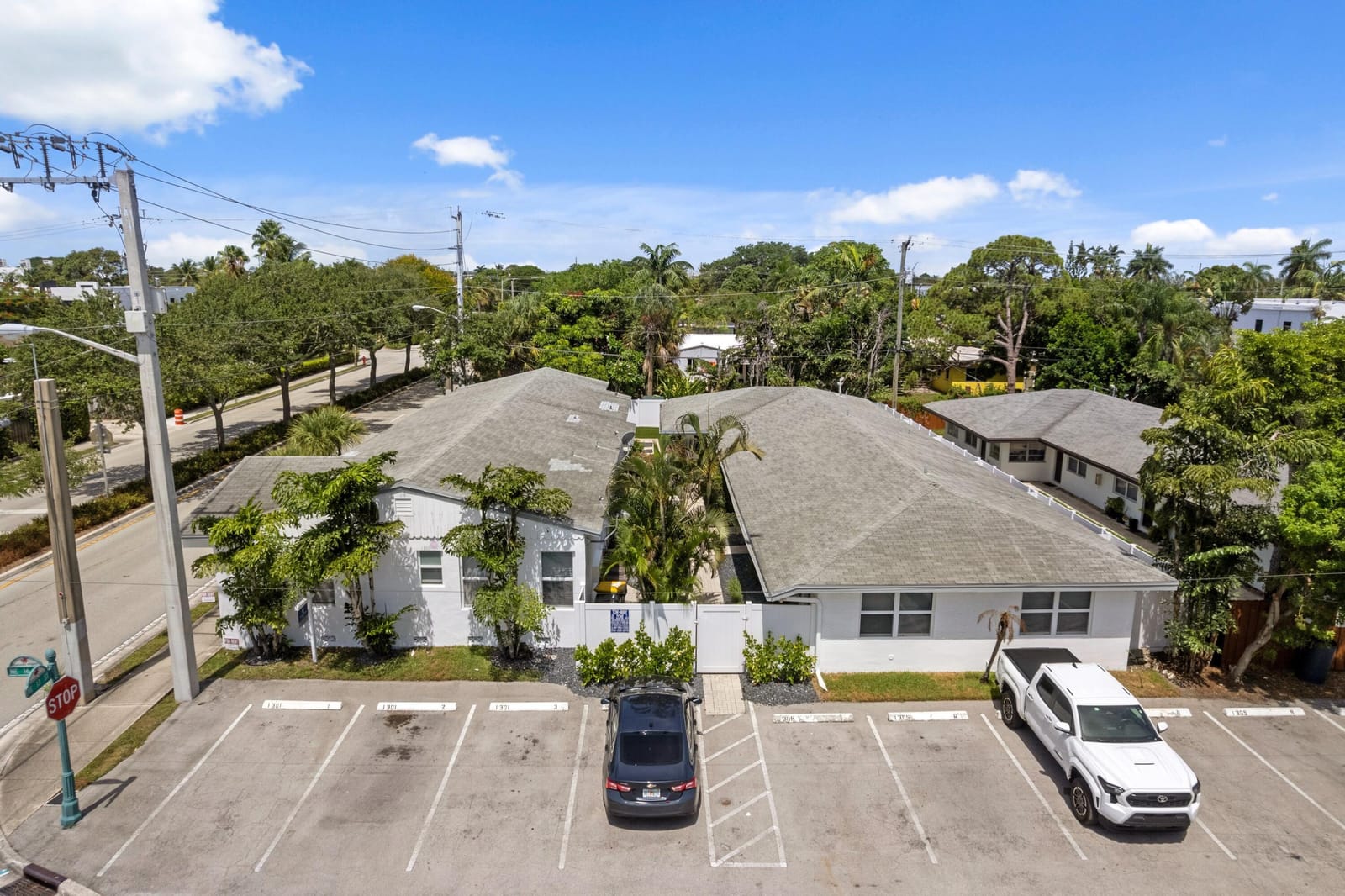
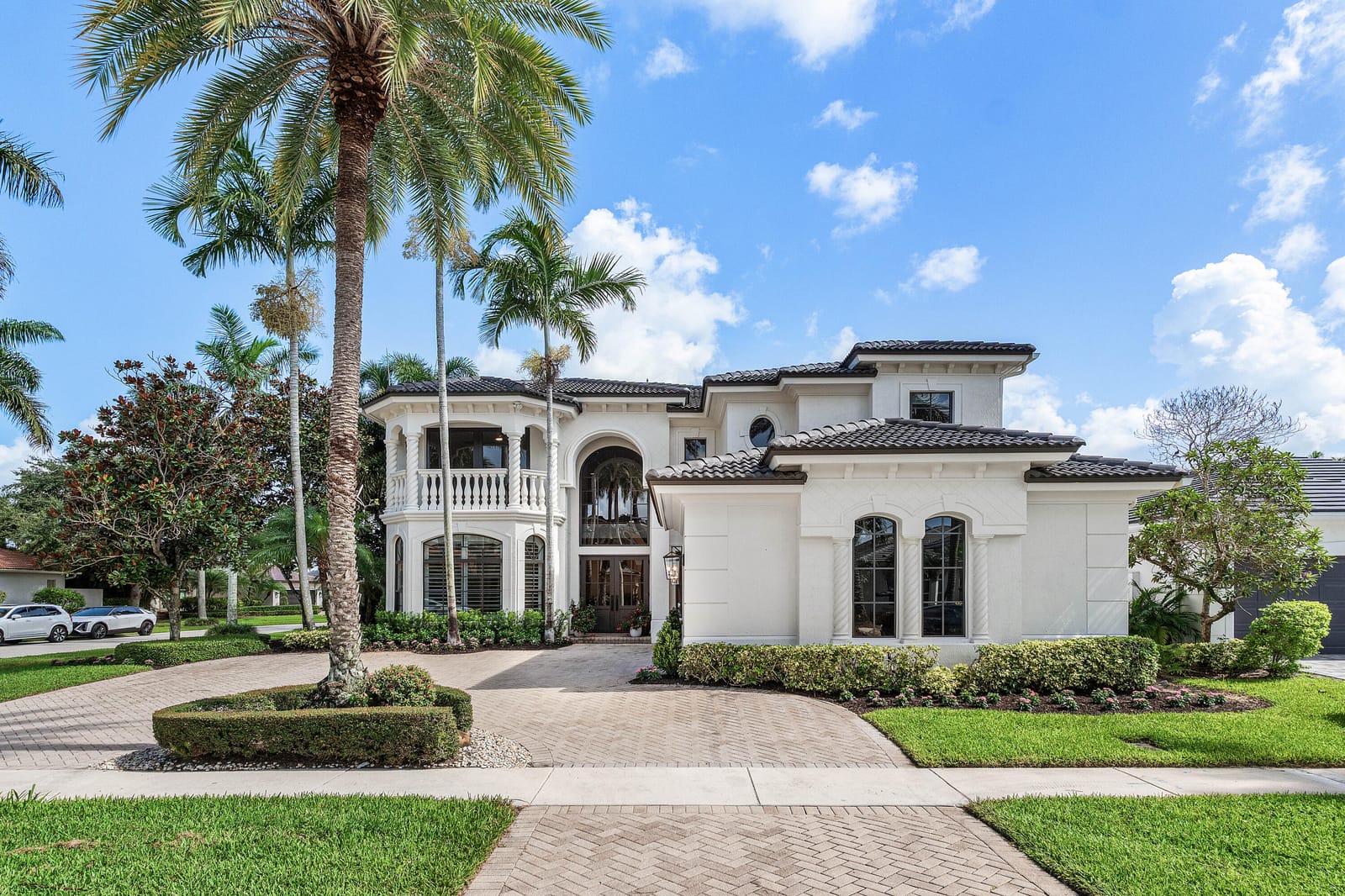
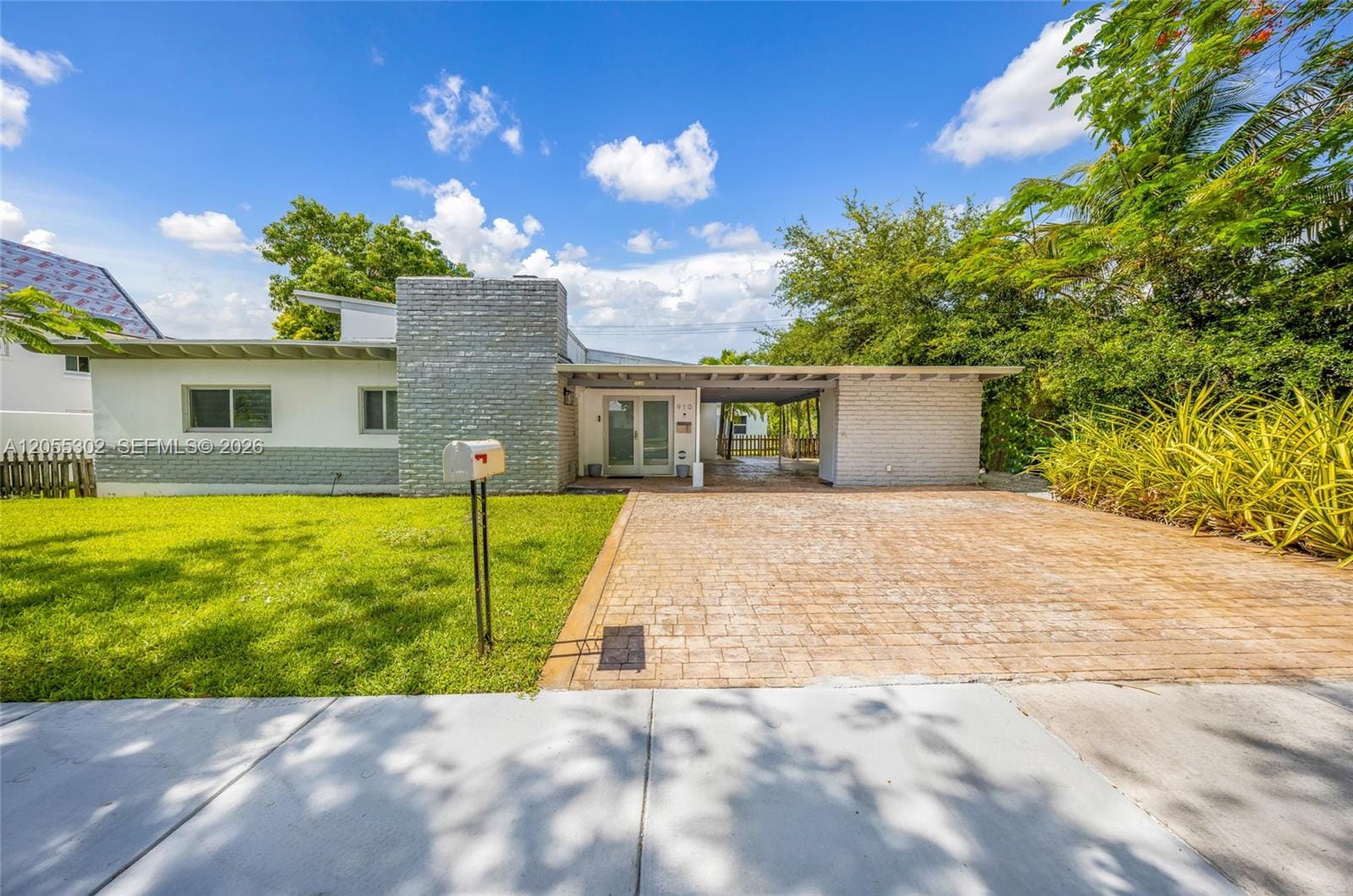
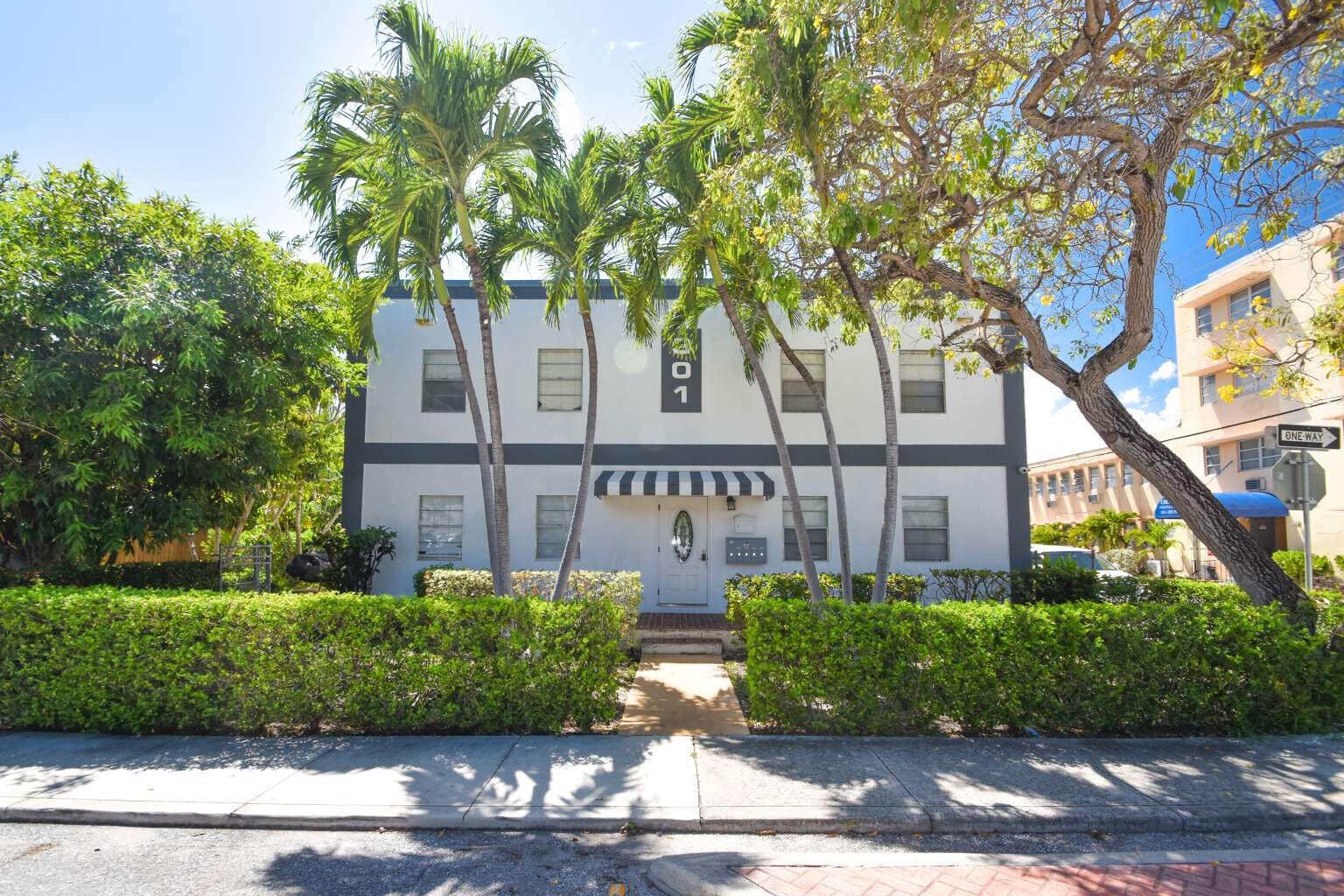
Historic and vintage homes give South Florida something its newer subdivisions cannot: architecture with a point of view and a connection to how the region was built. The signature style is 1920s Mediterranean Revival, the stucco, barrel-tile roofs, arched windows, and courtyards associated with the boom era and architect Addison Mizner, whose work shaped Palm Beach, Boca Raton, and parts of the Gold Coast. Down in Miami Beach you find the largest concentration of Art Deco in the country, the pastel streamline buildings of the South Beach historic district. Across older neighborhoods in West Palm Beach, Fort Lauderdale, and Miami, mid-century homes and craftsman bungalows fill in the layers between the 1920s and the modern era.
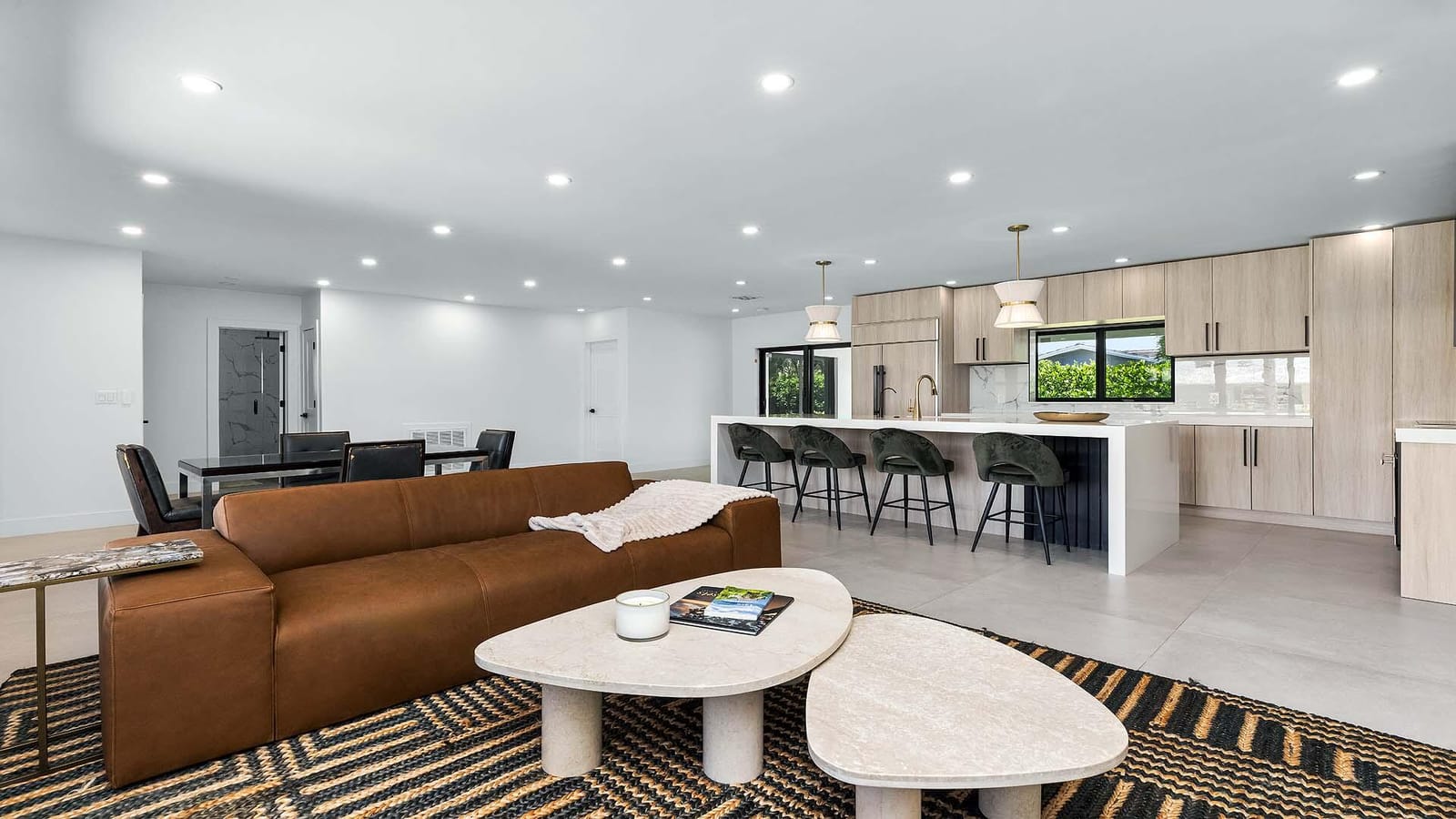
These homes suit buyers who value character over the turnkey newness of a recent build, and who understand that an older home is a relationship, not just a purchase. The reward is craftsmanship that is hard to reproduce: plaster walls, real wood, terrazzo and oak floors, hand-laid tile, and proportions and detail that production builders skip. The trade-off is that the systems behind the charm are usually old too, and a wise buyer goes in with eyes open about what it takes to keep a vintage home sound in the Florida climate.
The three systems that matter most in any older Florida home are the roof, the plumbing, and the electrical. Roofs take a beating from sun and storms, and an original or aging roof affects both safety and your ability to get insurance. Plumbing in mid-century and earlier homes may include galvanized steel that corrodes and clogs, or cast-iron drain lines that deteriorate. Electrical systems can be undersized for modern loads, and some eras used wiring or panels that insurers now refuse to cover. None of these is a reason to walk away from the right home, but each is a line item, and you want them quantified before closing rather than discovered after.
Insurance is where a beautiful old home can get complicated in Florida, so handle it early. Carriers require a four-point inspection on older homes, covering roof, electrical, plumbing, and HVAC, and they make coverage and pricing decisions based on what it finds. An aged roof, outdated wiring, or original plumbing can lead to higher premiums, a demand for upgrades before they will write a policy, or a decline that pushes you toward surplus-lines coverage. Get a four-point done and an insurance quote during your inspection period, not after, so the annual cost is part of your buying decision.
Many historic homes carry a local historic designation, and it cuts both ways. Being in a designated district or individually listed can protect the neighborhood's character and, in some cases, open the door to incentives, but it also brings oversight. Exterior changes, windows, roofing materials, additions, and sometimes paint colors may require review and approval from a local historic preservation board, which can lengthen timelines and limit options. Before you buy a home you plan to renovate, find out whether it is designated, what that board controls, and what you would and would not be allowed to change.
Questions
It can be. Carriers require a four-point inspection on older homes covering roof, electrical, plumbing, and HVAC, and aging systems can mean higher premiums, required upgrades, or a decline. It is very doable, but you should get a four-point and an insurance quote during your inspection period so the cost is clear before you close.
A four-point inspection reviews the four systems insurers care about most: roof, electrical, plumbing, and HVAC. Florida carriers commonly require it for older homes before they will write or renew a policy. It is narrower than a full home inspection, so get both, the full inspection for your own due diligence and the four-point for insurance.
Usually not without review. If a home is individually designated or sits in a historic district, a local preservation board may have to approve exterior changes such as windows, roofing materials, additions, and sometimes paint. Interiors are often less restricted. Confirm the designation and what the board controls before buying a home you plan to substantially change.
Older roofs, original or galvanized plumbing that corrodes, cast-iron drain lines, and undersized or outdated electrical are the frequent ones, along with moisture and any past hurricane repairs. These are manageable with planning. Budget for system updates and get a thorough inspection so you know which items are urgent and which can wait.
Palm Beach, Boca Raton, and West Palm Beach hold much of the 1920s Mediterranean Revival and Mizner-era work. Miami Beach has the country's largest Art Deco district. Older parts of Fort Lauderdale and Miami add bungalows and mid-century homes. Each area has its own designations and architectural character worth understanding before you buy.
Keep Exploring
Pure Equity Realty helps buyers approach historic homes with both appreciation and discipline. We connect you with inspectors who know older construction, make sure a four-point and an insurance quote happen inside your inspection window, and help you read what a roof, plumbing, or electrical finding really means for your budget. We check designation status and explain what a preservation board will and will not allow before you commit to a renovation vision. A vintage home can be one of the best buys in South Florida when you understand exactly what you are taking on.
They can be, because character and well-built construction hold appeal and supply is fixed. The key is buying with full knowledge of the roof, plumbing, electrical, insurance picture, and any preservation rules, then budgeting for upgrades. A historic home priced to reflect its condition, in a desirable area, can be both a place you love and a sound long-term hold.