
Florida
Charlotte County Homes for Sale & Real Estate Listings
Browse homes for sale across Charlotte County, Florida, with live MLS listings and local market data from Pure Equity.
Get Listing Alerts
Be the first to know when a home hits the market in Charlotte County.
Available Now
Market Overview
Charlotte County real estate market
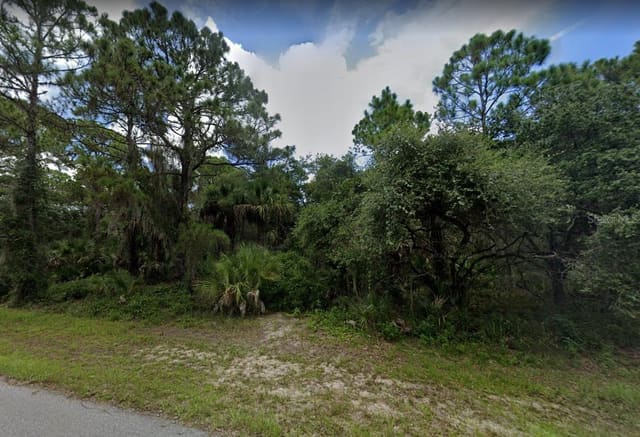
Charlotte County sits on Florida's southwest Gulf coast between Sarasota and Lee counties, with Punta Gorda as its county seat and Port Charlotte as its largest community. The county wraps around Charlotte Harbor, the state's second largest open-water estuary, and that harbor defines almost everything about life here. Sailboats, fishing skiffs, and powerboats run out to the Gulf through Boca Grande Pass, and tarpon season draws anglers from all over the country. Inland from the water, the landscape flattens into a mix of older platted neighborhoods, newer master-planned tracts, and stretches of pine and palmetto that are still being developed. Interstate 75 runs north to south through the eastern half of the county, putting Fort Myers about 30 minutes south and Sarasota about 45 minutes north.
The real estate story in Charlotte County has long been about waterfront access at prices that undercut almost everywhere else on the southwest coast. Port Charlotte and the city of Punta Gorda were laid out decades ago with thousands of saltwater and freshwater canals, so a buyer can find a home with a private dock and quick boating access to the harbor for a fraction of what a comparable canal home costs in Naples or on Siesta Key. Port Charlotte in particular is known for its grid of dead-end canal streets, many with sailboat-depth water and no fixed bridges to the Gulf. Punta Gorda offers a more polished feel, with a walkable historic downtown, the Fishermen's Village marina and shops, and gated waterfront communities like Punta Gorda Isles and Burnt Store Isles where canal homes line manicured streets.
Retirees and seasonal residents make up a large share of the market, drawn by the mild winters, the boating, the golf, and a cost of living that stays well below the Gulf coast average. Burnt Store Marina, in the far southwest corner near the Lee County line, is one of the largest deepwater marina communities in the state and pulls in boaters who want slips, golf, and water views in one place. Active-adult and deed-restricted communities are common, but Charlotte County also keeps a deep supply of modest single-family homes on standard lots that appeal to working families and first-time buyers priced out of Sarasota or Naples. New construction has picked up across the county as builders fill in older platted subdivisions and open new tracts off Interstate 75.
Buyers should go in with eyes open about a few local realities. Charlotte County took a direct hit from Hurricane Charley in 2004 and significant damage from Hurricane Ian in 2022, so flood zones, elevation, wind mitigation, and insurance costs deserve close attention on any purchase, especially near the water. Roof age, the presence of impact windows, and a home's elevation certificate can swing insurance premiums by thousands of dollars a year. On the canal homes, it pays to confirm water depth, bridge clearance, and whether the seawall is in good shape before falling for the view. None of this should scare a buyer off, but it does reward working with people who know which neighborhoods drain well and which carry higher risk.
Pure Equity represents buyers and sellers across all of Florida, and that statewide reach helps when clients are weighing Charlotte County against neighboring markets or relocating from out of state. For sellers, the county's affordability and boating appeal keep demand steady from northern buyers and from Floridians cashing out of pricier coastal markets. For buyers, the goal is matching the right canal, community, and price point to how you actually plan to use the home, whether that is full-time living, a winter escape, or a boat-first retirement. The live listings and market figures below show what is available in Charlotte County right now, and they update as inventory moves.
There are 596 active listings for sale in Charlotte County right now. The median list price is $421,880, or about $227 per square foot. Homes are averaging 335 days on market. These figures update from the MLS as the market moves.
Charlotte County Market Stats
MLS data updated October 16, 2026- Active Listings
- 596
- Median List Price
- $421,880
- Median $/Sq Ft
- $227
- Avg Days on Market
- 335
Charlotte County at a Glance
- Population
- 222,968
- Growth Since 2020
- 18.6%
- Median Property Tax
- $2,581/yr
- Active Listings
- 596
Frequently Asked Questions
- How many homes are for sale in Charlotte County?
- There are 596 active listings for sale in Charlotte County right now, and these counts update from the MLS as homes come on the market and go under contract. Listings here change as homes come on the market and go under contract. Ask us to set up a search alert and you will see new Charlotte County listings the day they reach the market.
- What is the median home price in Charlotte County?
- The median list price in Charlotte County is $421,880, or roughly $227 per square foot. The median is the midpoint of what is currently listed, so about half of Charlotte County homes ask more and half ask less. Treat it as a gauge of the Charlotte County market rather than a valuation for any one home, since price turns on size, condition and location. We can pull recent comparable sales to price a specific home more precisely.
- How long do homes take to sell in Charlotte County?
- Homes in Charlotte County are averaging 335 days on market, measured from the day a listing goes live to the day it goes under contract. That is a slow pace, so sellers here should expect to price carefully and buyers often have time to compare before committing. Days on market in Charlotte County also shift with the season and with how a home is priced, so a sharply priced listing can still sell well ahead of the average.
- What are property taxes like in Charlotte County?
- The median annual property tax in Charlotte County is about $2,581. In Florida, property tax is based on a home's assessed value and the local millage rate, and a primary residence can qualify for the homestead exemption, which lowers the taxable value, along with the Save Our Homes cap that limits how fast assessed value rises each year. Budget property taxes and homeowners insurance into your monthly cost when comparing Charlotte County homes, since both vary by address and can affect the true cost of ownership more than the list price alone.
Thinking of Selling?
What is your Charlotte County home worth?
Online estimates miss what makes a home different. Tell us about yours and a licensed listing agent will send you a pricing opinion based on what has actually closed near you in Charlotte County.
Listing agents and seller representation in Charlotte County
Thinking about selling in Charlotte County? The agent you pick shapes two numbers: what your home closes for, and how long it takes. A listing agent, also called a seller's agent, prices the property against what has actually closed nearby. They also prepare and market it, screen the offers that arrive, and negotiate the terms rather than just the price.
Conditions in Charlotte County sit close to balanced, which rewards sellers who price against real closed sales instead of neighboring asking prices. Homes here are averaging about 335 days from listing to accepted offer, so build that into your moving timeline.
A county this large contains many separate markets. What is true in one city can be the opposite a few miles away. County-wide figures are therefore a starting point for a pricing conversation. They are not an answer about any specific address.
Pure Equity is a licensed Florida brokerage serving Charlotte County. Onias Derilus is the broker of record, Florida Real Estate Broker license BK3276618. A broker holds a higher license than an agent working under one. In practice that means the person advising you on price is also the one legally responsible for the file. That matters most when a deal gets complicated.
More on this: what a listing marketing plan should include · selling a house in foreclosure
Realtors and real estate agents serving Charlotte County
People search for realtors, real estate agents, and real estate brokers more or less interchangeably. For most purposes the job title matters less than licensing and representation. Every licensed agent in Florida works under a broker. That broker carries final responsibility for the transaction.
What separates real estate professionals in Charlotte County is specificity. Can they answer questions about your street, not just your city? Ask what they have closed nearby and how they arrived at a price. A grounded answer cites particular recent sales. It also explains why those homes compare to yours. Vague reassurance is the warning sign.
More on this: how much is my house worth in South Florida? · what is a comparative market analysis? · selling a condo or HOA home
Buyer's agents in Charlotte County
A buyer's agent represents the purchaser rather than the owner. They identify properties that actually fit and research what comparable homes sold for, not what they asked. They also advise on offer strategy. Finally, they manage inspection and financing deadlines through to closing.
Where buyers have room to negotiate, as they do in Charlotte County, the leverage is only worth something if you know where it exists and what to ask for. If you are buying and selling at the same time, which is common for people moving within Charlotte County, sequencing the two is its own skill: contingencies, timing, and what happens if one closing slips all need planning before either home goes on the market.
What representation costs
Real estate commissions are negotiable. No law, multiple listing service, or association sets them. If an agent tells you there is a standard rate, they are misinforming you. What you pay is agreed between you and the brokerage you hire. Get it in writing before the work begins.
Industry rules changed in 2024. Now a buyer and their agent must put compensation in a written buyer agreement before touring homes together. Sellers may still offer to contribute toward the buyer's side. However, that is negotiated rather than assumed. It is worth thinking through with your listing agent before you go live.
More on this: how commission is actually structured · tax on the sale, and who actually answers it · timing a listing in the Florida market
Buying Instead?
Search Charlotte County with someone local
We will tell you which listings are worth your time, what comparable homes actually closed for, and how to structure an offer that holds up through inspection and financing.
Frequently asked questions
How do I find a listing agent in Charlotte County?
Ask any listing agent you interview two questions. Which homes have they closed near Charlotte County, and how did they arrive at their suggested price? A grounded answer names recent closed sales. It also explains why those homes compare to yours. With a median around $421,880 here, the gap between realistic pricing guidance and optimistic guidance is real money. Verify the license too. Florida licenses are public and searchable through the state's DBPR portal. Pure Equity is a licensed brokerage serving Charlotte County. You can reach the broker directly at (561) 835-5400.
What does a seller's agent actually do?
A seller's agent prices the home against comparable closed sales. Before it goes live, they advise on repairs and presentation. Then they handle photography and marketing, and put the home in front of buyers and other agents. When offers arrive, they screen them and negotiate both price and terms. Terms matter as much as the number, because inspection windows, financing contingencies, and closing dates all affect whether an offer reaches the closing table.
How much does a real estate agent cost in Charlotte County?
Commissions are fully negotiable. No law or real estate board sets them. What you pay is whatever you and your brokerage agree to in writing before work begins. Since the 2024 rule changes, buyers and their agents must agree compensation in a written buyer agreement before touring homes. Any seller contribution toward the buyer's side is negotiated rather than automatic. Ask any agent you interview to put their fee in writing.
What is the difference between a realtor, a real estate agent, and a broker?
A real estate agent holds a state license to represent buyers and sellers. A broker holds a higher-level license and can operate a brokerage. That broker also carries final legal responsibility for the office's transactions. Realtor is a membership term for agents belonging to the National Association of Realtors. For someone buying or selling in Charlotte County, three practical questions matter. Is the person licensed, who do they represent in your transaction, and what can they actually tell you about your local market?
Do I need an agent to buy a home in Charlotte County?
You are not legally required to use one, but most buyers in Charlotte County do. A buyer's agent handles the parts that are easy to get wrong. That means identifying what comparable homes actually closed for, spotting condition or association issues early, and managing inspection and financing deadlines. Even in a slower market, negotiating room is only useful if you know where it exists.
Can one agent help me sell my current home and buy the next one?
Yes. For people moving within Charlotte County it is often the more practical route, because one person coordinates both timelines. Sequencing is the hard part. Should your purchase be contingent on your sale? How would you cover a gap if the closings do not line up? What happens if one side is delayed? Plan all of that before either home is listed, rather than after an offer arrives.
Related Reading