Loading…
Loading…
South Florida
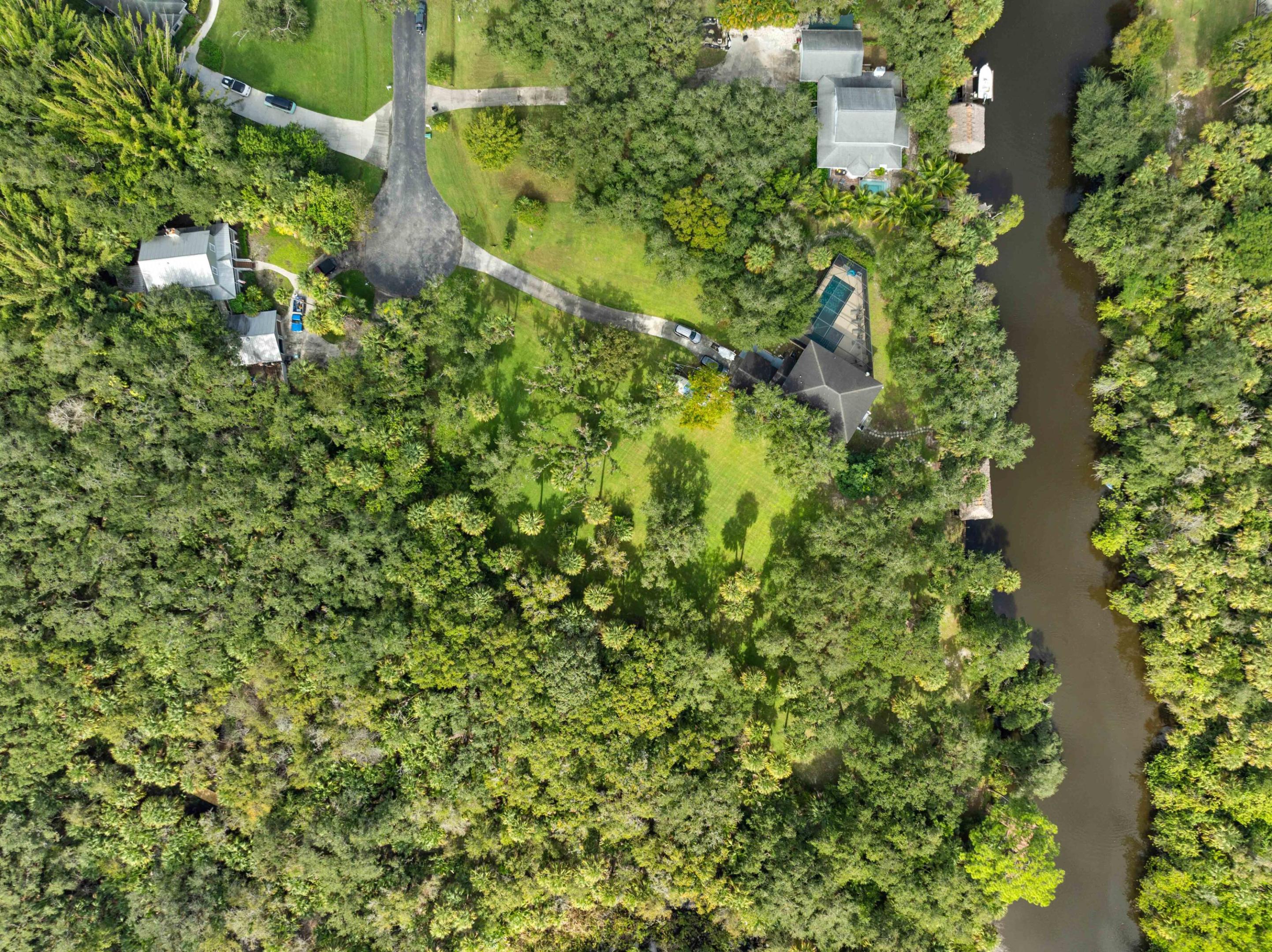
Lakefront, riverfront, canal, and pond-front land across South and Central Florida — build your dream home on the water.
Get Listings Alerts
Be the first to know when a new waterfront land listing hits the market in South Florida.
Browse
Tell us what you're looking for and we'll send matches as they hit the market.
Explore by County
Waterfront Land in South Florida
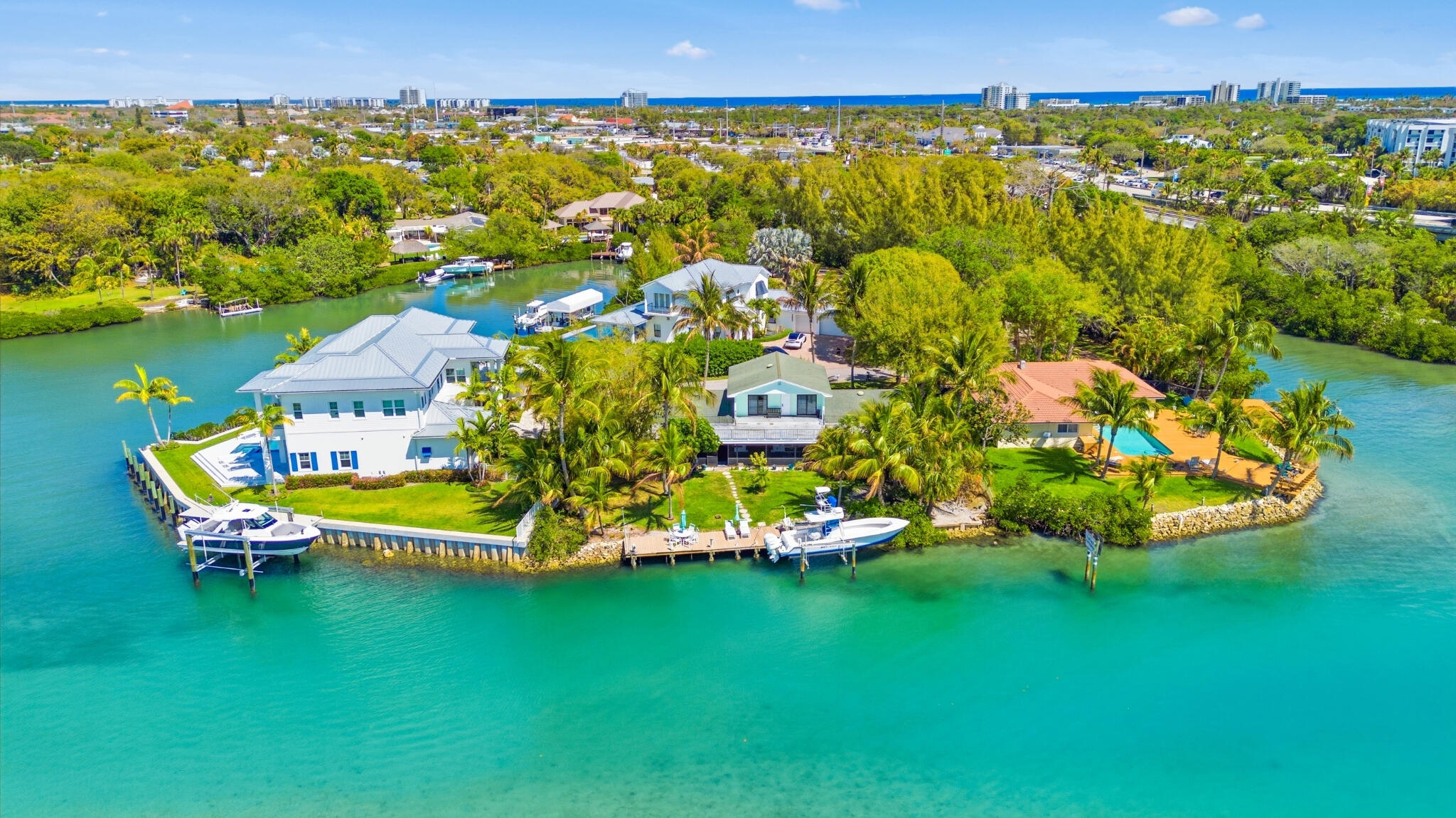
Waterfront land covers any buildable parcel that fronts water, and in Florida that spans a wide range: lakefront lots on the big interior lakes, riverfront acreage along the St. Lucie or Kissimmee systems, canal lots wired into the coastal navigable network, and quieter pond-front homesites. The appeal is obvious, since water views, direct boating access, and the lifestyle that comes with them command a premium and tend to hold value. The category suits buyers who want to design a custom home around the water, investors who understand waterfront scarcity, and anyone planning a dock, a boat lift, or a lakefront retreat. It also carries more regulatory weight than dry land, so the diligence is heavier and the upside rewards buyers who do it.
Flood risk is the first thing to understand, because almost all waterfront land touches a FEMA flood zone. Each parcel has a flood zone designation and, in many zones, a base flood elevation, the height to which floodwater is expected in a major event. That number drives how high you must build, what your foundation looks like, and what flood insurance costs over the life of the home. A lot in an AE or VE zone can still be excellent, but you build to elevation, often on stem walls or pilings, and you budget for it. Pull the FEMA flood map and, before you build, get an elevation certificate. The difference between a smart waterfront purchase and an expensive mistake usually comes down to understanding elevation up front.
Wetlands and shoreline setbacks shape how much of a waterfront parcel you can actually use. Florida protects wetlands and the vegetated edge along lakes, rivers, and canals, so part of a lot may be undevelopable or require mitigation to touch. Most waterfront construction also has to honor a setback from the ordinary high-water line or the top of the bank, which can push your building envelope well back from the water. Before you fall for a view, find out where the real buildable area sits. A parcel that looks generous on paper can shrink dramatically once wetland lines and setbacks are drawn. An environmental assessment or a wetland delineation answers this, and it is cheap insurance against buying land you cannot build on.
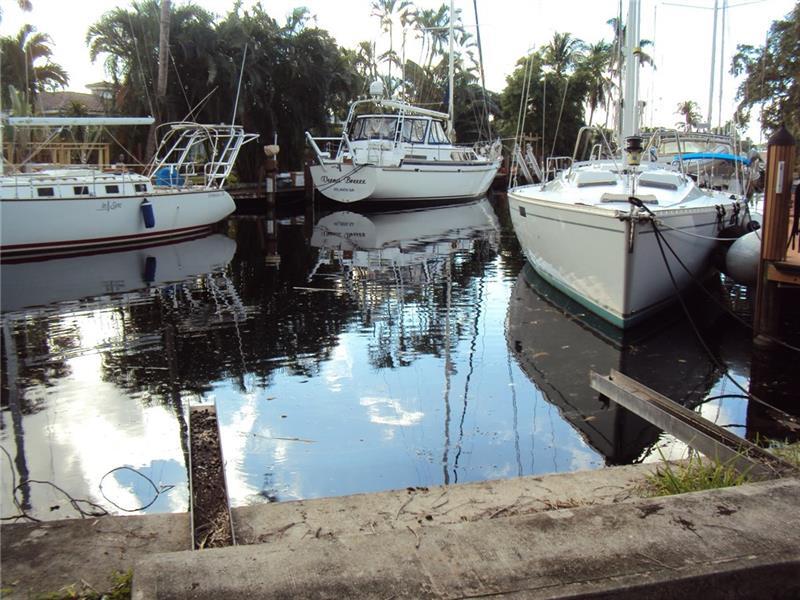
Docks, seawalls, and the agencies that govern them are central to waterfront value, and permitting is rarely automatic. Building or rebuilding a dock or seawall typically needs sign-off from the relevant water management district (South Florida or Southwest Florida depending on location), often the Army Corps of Engineers, and sometimes the state, plus local approval. Rules cover dock length, how far you can extend into the water, what you can dredge, and how you treat the shoreline. On canal lots, confirm the canal is navigable to where you actually want to go and is not choked or subject to a homeowners association's own dock restrictions. If a private dock or boat lift is the whole reason you want the lot, verify it is permittable before closing, not after.
Questions
If the parcel sits in a FEMA high-risk zone (A or V zones) and you finance the home, the lender will require flood insurance. Most waterfront land falls in these zones. Even where it is not required, it is wise. Building to or above the base flood elevation reduces premiums significantly, so understand the flood zone and required elevation before you buy.
Not automatically. Docks usually need permits from the water management district, often the Army Corps of Engineers, sometimes the state, and local approval. Rules limit length, water extension, and dredging. Canal lots may also face HOA dock restrictions. If a dock is essential to you, confirm it is permittable for the specific parcel before closing rather than assuming it.
A shoreline setback is the minimum distance your structure must sit back from the ordinary high-water line or top of bank. It protects the shoreline and can push your building envelope well away from the water, shrinking usable area. Combined with wetland lines, setbacks often make a lot smaller than it appears, so map the real buildable area before buying.
Florida protects wetlands, and portions of a waterfront parcel may be undevelopable without mitigation. A wetland delineation or environmental assessment by a qualified consultant identifies the wetland boundary on your specific lot. Aerial maps and soil surveys give early clues, but only a delineation is definitive. Do this before closing so you know how much land you can actually build on.
Base flood elevation is the height floodwater is expected to reach in a major flood, set by FEMA for your zone. You generally must build the lowest floor at or above it, often on stem walls or pilings, which raises construction cost but lowers flood insurance. An elevation certificate documents your finished height and is needed for permitting and insurance.
Keep Exploring
Water management district rules reach beyond docks. South Florida sits inside districts that regulate drainage, fill, stormwater, and how a new home affects surrounding water flow. Adding fill to raise a low lot, altering drainage, or building near a canal or lake can trigger an Environmental Resource Permit. These are manageable, but they take time and money, and they should be priced into your plan, not discovered after you own the land. Costs to watch on any waterfront purchase include elevated-foundation construction, fill and grading, flood insurance, permitting fees, and a survey that locates the water boundary and any easements. The premium over comparable dry land is real, but so is the long-term scarcity of true waterfront.
Pure Equity Realty helps waterfront buyers read past the view to what a parcel can actually become. We pull flood data, flag likely wetland and setback constraints, and connect you with the surveyors and environmental consultants who confirm the buildable envelope before you commit. We know which canals connect where, which lots come with dock potential and which are hemmed in by regulation, and how district rules play out across South and Central Florida. If you are looking at lakefront, riverfront, canal, or pond-front land anywhere in our service area, talk to us first and build your plan on facts instead of hope.
They can be, but verify the canal is navigable all the way to the open water or lake you want to reach, with no low bridges, locks, or chokepoints in between. Check depth, maintenance responsibility, and any HOA rules on docks and boat size. A canal that does not actually connect where you want to go offers far less than it appears.