
Miami, FL · New Construction
New construction homes in Miami
New construction is a significant part of the Miami, Miami-Dade County market, with 997 homes currently listed. At that volume buyers have real choice between builders and communities, and the differences between builder contracts matter as much as the differences between floor plans.
Get New Home Listings
The person in the sales centre works for the builder. We represent you, at no cost, and we read the contract before you sign it. Tell us what you are looking for in Miami.
997 listed in Miami
All Miami homes →




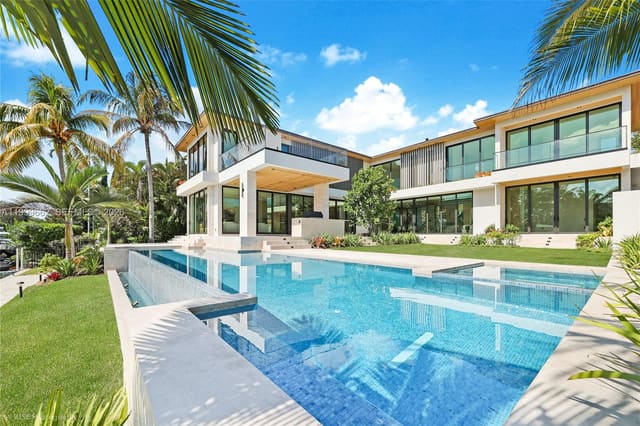

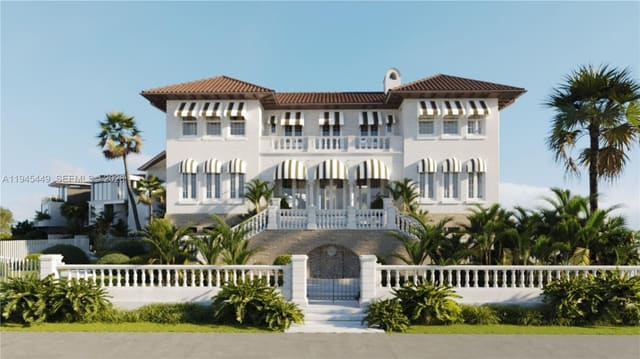

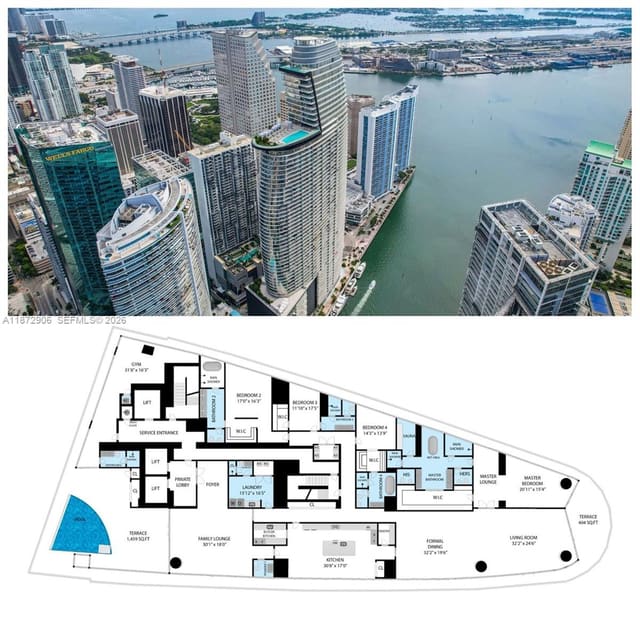



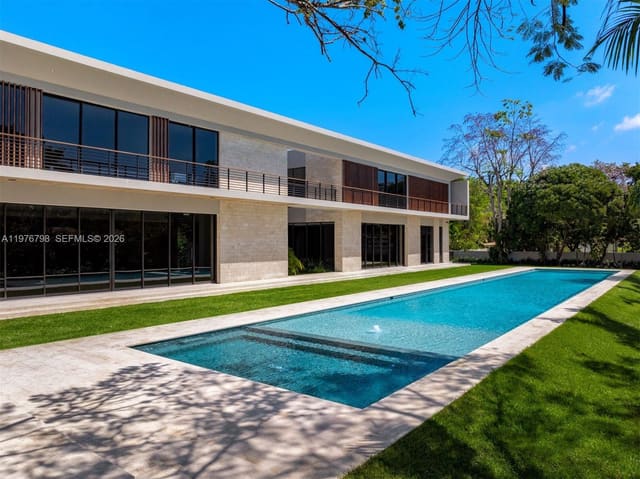

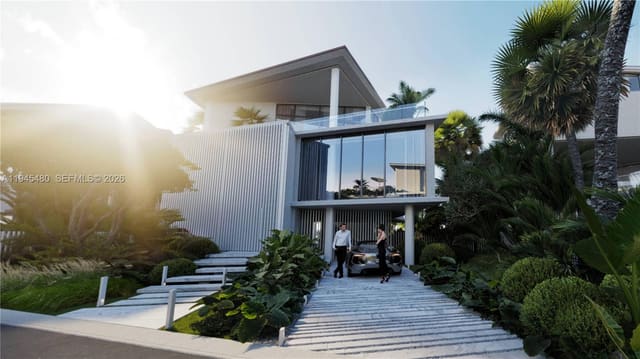


What new construction costs in Miami
The median asking price across Miami new construction listings is $24,500,000.
Prices run from $14,000,000 to $75,000,000, which usually reflects different communities and product lines rather than different levels of finish, since builders price by series.
Floor plans on the market cover 5,421 to 19,868 square feet.
Bedroom counts run from 4 to 7.
How this compares with the rest of Miami
New construction homes ask roughly 3698% more than Miami as a whole, $24,500,000 against $645,000. A buyer moving between the two should expect that step rather than be surprised by it, and it is worth understanding what the premium buys before treating it as the cost of entry.
They are around 11% of what is currently listed in Miami, which makes comparable sales scarcer and pricing more dependent on choosing the right ones.
Buying new is a different transaction
A builder contract is not the standard resale contract, and the differences favour the builder. Deposit schedules, construction timelines, what counts as a delay, and what happens if costs rise are all set out in a document written by one side.
Deposits are typically larger than on a resale and are frequently released to the builder during construction rather than held in escrow. Understanding what is refundable and under what circumstances is worth doing before signing rather than after.
Completion dates in builder contracts are usually estimates with substantial allowances for delay. A buyer with a lease ending or a home already sold should read that clause carefully, since the risk of a slipped date sits with them.
The base price is rarely the final price. Lot premiums, structural options, design centre selections and required landscaping packages can add a substantial amount, and the design centre visit is where most of it happens.
What to check on a Miami new build
Whether the community is complete or still building, since living beside active construction for two years is a real cost and an unfinished community is harder to resell from.
What the association will cost once the builder hands over control, because early fees are sometimes subsidised and rise afterwards.
Whether a CDD or similar special district applies, which adds an annual amount to the tax bill that a buyer comparing against resale homes may not have accounted for.
Warranty terms, including what is covered and for how long, and who honours it if the builder exits the market.
Whether you may use your own inspector during construction, which some builders permit and some resist, and which is the only way to see what goes behind the drywall.
Whether using the builder's preferred lender is genuinely optional and what incentive is attached to it.
Timing a new build purchase
Where a community sits in its release schedule changes what you can negotiate. Early phases price to establish the community and late phases price to close it out, and builders holding standing inventory at the end of a phase are generally more flexible than ones taking reservations at the start.
Quick move-in homes, meaning finished or nearly finished inventory, behave differently from a build-to-order contract. They remove the timeline risk and the design centre entirely, at the cost of taking someone else's selections.
Interest rate incentives change with the builder's inventory position rather than with the market, so an offer available this quarter may not be next. That cuts both ways and is worth asking about directly.
A buyer with a firm date, whether a lease ending or a home already under contract, should weigh a finished home heavily. Builder completion estimates carry substantial delay allowances, and the risk of a slipped date sits with the buyer rather than the builder.
Selling a newer home in Miami
A recently built home competes directly with the builder's remaining inventory, and the builder can offer incentives an individual seller cannot match: rate buydowns, closing cost contributions, and included upgrades.
The advantage a resale has is availability now, a finished garden, window treatments and the options already paid for. Those are worth real money to a buyer who does not want to wait or to spend again at a design centre.
Price against the builder's current offering rather than against what you paid, since what matters is the alternative a buyer is actually weighing. If the community is still selling, that alternative is a few streets away and is being actively marketed.
Frequently Asked Questions
- How many new construction homes are for sale in Miami?
- There are 997 new construction homes listed in Miami right now, updated from the MLS as builders release inventory and homes go under contract.
- How much does new construction cost in Miami?
- The median asking price is $24,500,000, within a range of $14,000,000 to $75,000,000. Treat listed prices as a starting point, since lot premiums, structural options and design selections are usually added on top of a base figure.
- Do I need my own agent to buy new construction?
- The person in the sales centre works for the builder, which is worth remembering during a friendly conversation. Having your own representation costs you nothing in most cases and gives you someone reading the contract on your side. Most builders ask that your agent accompany you on the first visit, so register before going alone.
- Can I negotiate with a builder?
- Usually more on terms than on base price, because builders protect the headline figure to avoid resetting comparable values in the community. Incentives, upgrades, closing cost contributions and rate buydowns are where movement tends to be available, and what is on offer varies with how much inventory the builder is holding.
- What is a CDD and does it apply in Miami?
- A community development district finances infrastructure and adds an annual assessment to the tax bill, sometimes for decades. Whether one applies depends on the specific community rather than the city. It is worth establishing early, because a buyer comparing a new build against a resale may not have it in their calculation.
- Should I use the builder's lender?
- Sometimes, because incentives attached to it can be substantial. Compare the total cost including rate, fees and the value of the incentive rather than the rate alone, and confirm that using another lender is genuinely permitted before assuming it is.
- Is new construction a good investment in Miami?
- It depends on where the community sits in its build-out. Buying early in a community that is still selling means competing with the builder when you resell, since they can offer incentives you cannot. Buying once a community is complete removes that competition and usually means paying more.
Selling in Miami?
You are competing with the builder down the street
A builder can offer rate buydowns and included upgrades that an individual seller cannot. Your advantages are availability now and options already paid for. We will price against what buyers are actually weighing.
Get My Home Value