
Gulf Stream, FL · Waterfront
Waterfront homes for sale in Gulf Stream
Waterfront inventory in Gulf Stream, Palm Beach County is limited, with 12 currently listed. In a thin waterfront market the right home often comes down to which property has the water you actually need, since substitutes are scarce.
Get Waterfront Listings
The water matters more than the house. Tell us your draft, your bridge clearance and what you want to do from the dock, and we will send the Gulf Stream homes that actually work.
12 listed in Gulf Stream
All Gulf Stream homes →
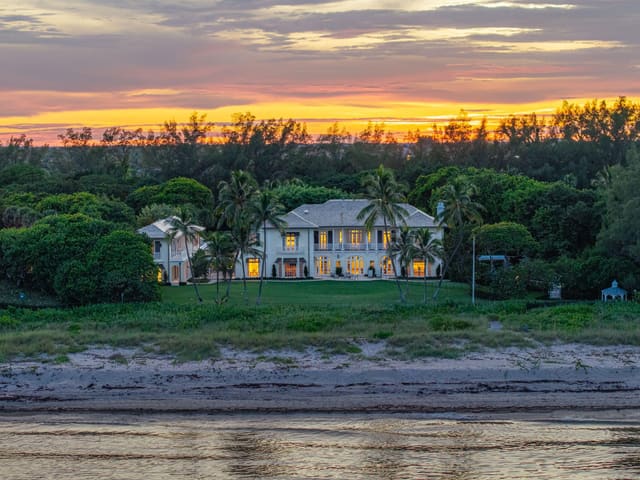
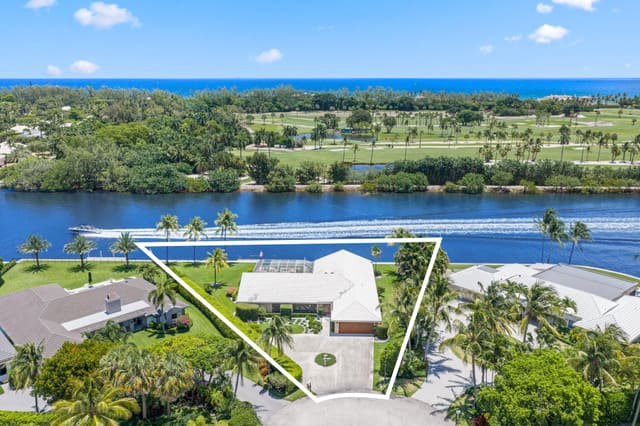
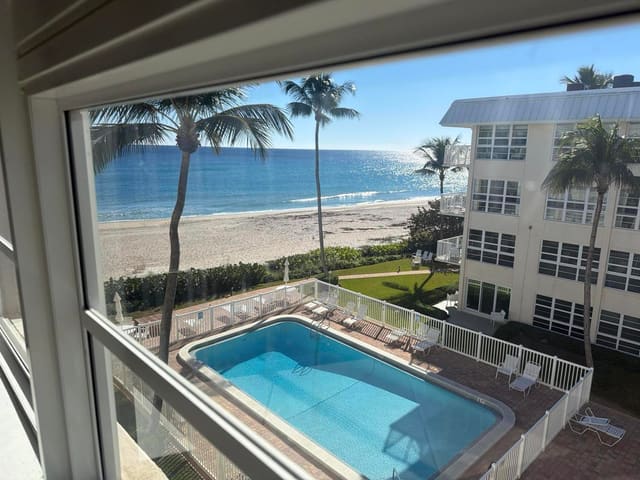
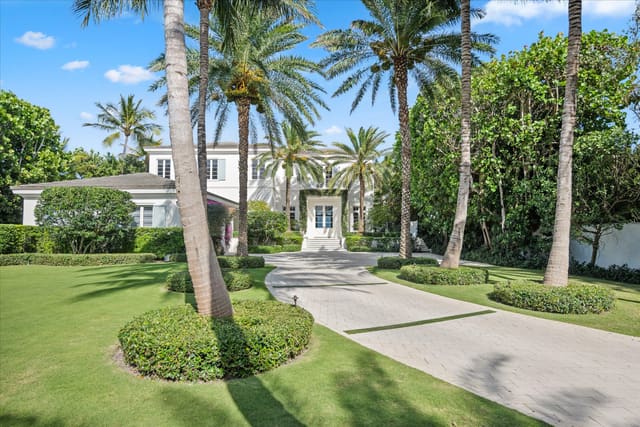
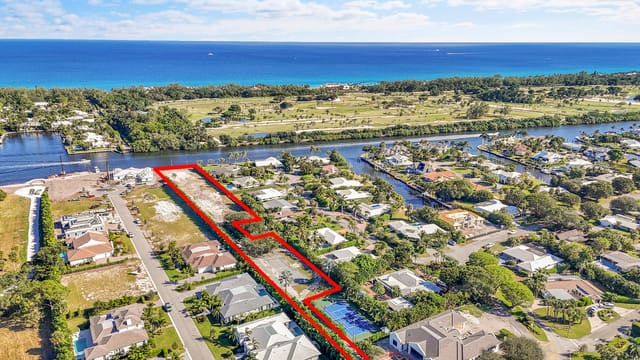
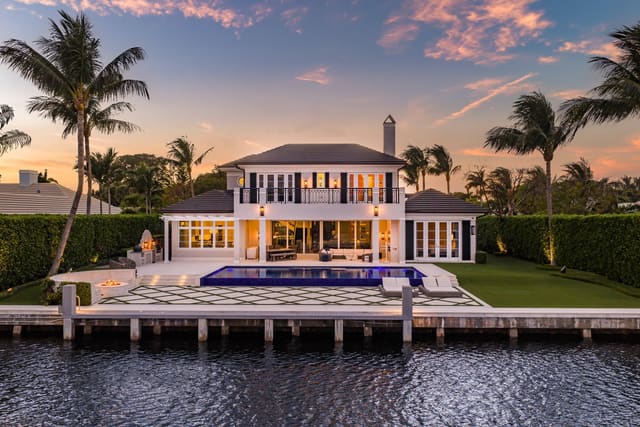
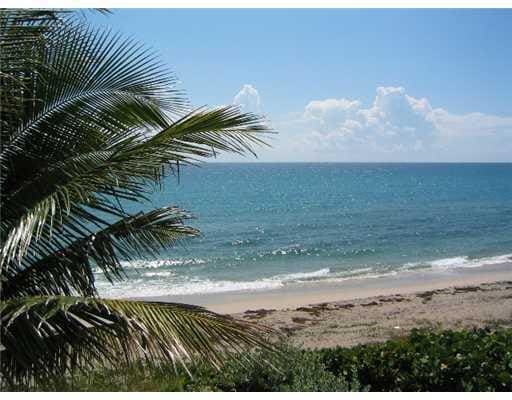
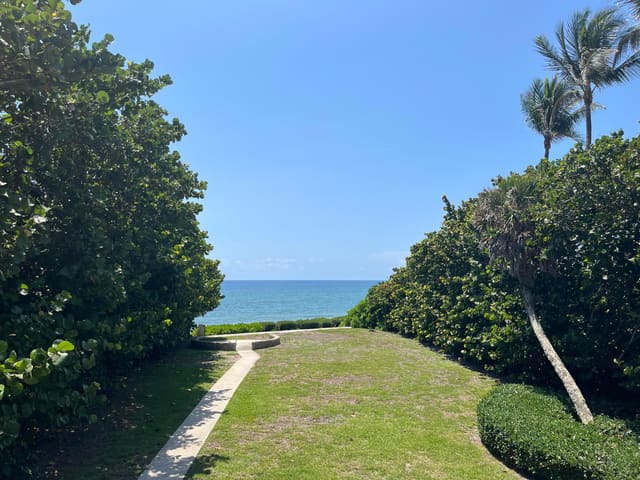
What Gulf Stream waterfront homes cost
The median asking price across Gulf Stream waterfront listings is $12,500,000.
Prices run from $449,999 to $79,000,000. A range that wide on waterfront almost always means different kinds of water rather than different kinds of house, since a lake view and deep-water ocean access are not the same asset.
Homes on the market cover 759 to 8,898 square feet.
How this compares with the rest of Gulf Stream
Waterfront homes ask roughly 121% more than Gulf Stream as a whole, $12,500,000 against $5,650,000. A buyer moving between the two should expect that step rather than be surprised by it, and it is worth understanding what the premium buys before treating it as the cost of entry.
They are also the dominant form of housing on the market here, about 71% of everything listed, so this is the Gulf Stream market rather than a slice of it.
Not all water is priced the same
Ocean frontage sits at the top, followed by direct Intracoastal, wide bay, navigable canal with ocean access, fixed-bridge canal, and then lake or pond. Each step is a different buyer and a different number.
The distinction that catches sellers out is ocean access. A canal home with no fixed bridges between it and the inlet serves boat owners who cannot use a home behind a low bridge, and that single fact can separate two otherwise identical properties by a wide margin.
Lake and pond frontage is genuinely valuable for view and quiet, and it is a different market from anything navigable. Comparable sales should not cross that line, because the buyers do not.
What buyers examine in Gulf Stream
Water depth at low tide, which determines what can actually be moored and is one of the first questions a serious boat buyer asks.
Bridge clearance between the property and open water, which sets a ceiling on vessel height.
Dockage in its particulars: frontage length, whether there is a lift and its capacity, and the condition of the pilings.
Seawall condition, which is the item most likely to move a price late in a transaction. A failing seawall is an expensive and non-optional repair, and a buyer who learns about it during inspection negotiates hard.
Orientation, which affects daily use more than people expect, since the direction a view faces decides sun and glare at the hours the space is actually used.
The carrying cost that comes with the water
Waterfront carries costs that buyers price alongside the purchase. Flood insurance is usually required and varies with elevation, construction and coverage rather than with the price of the home.
Windstorm exposure is higher, and premiums reflect it. Roof age and whether windows are impact rated matter more here than inland, because they affect both insurability and cost.
Seawalls and docks are maintained assets with real replacement cycles, and a buyer is taking on that schedule as well as the house.
None of this removes the premium waterfront commands. It explains why a waterfront valuation cannot be produced by applying a percentage to a comparable inland sale, since the buyer is underwriting a different cost structure as well as buying a different lifestyle.
Permits, and why they surface late
Waterfront property carries paperwork that inland property does not, and it tends to appear during due diligence rather than during a viewing.
Docks, lifts and seawalls are permitted structures. Where a previous owner built or altered one without permits, or where a structure predates current rules, the status needs establishing rather than assuming, because a buyer's title work or inspection will raise it.
Shoreline and environmental permits govern what can be built or changed at the water's edge in some locations, and they can restrict plans a buyer has for the property.
Dredging, where depth has been improved, is itself permitted work with a record. A seller who can produce it is selling a documented depth rather than a claim.
The pattern to avoid is discovering any of this two weeks before closing. Assembling it before listing turns a set of potential problems into a folder that answers questions, which is a materially different negotiating position.
Selling a waterfront home in Gulf Stream
Gather the water documentation before listing: seawall history and any engineering report, dock and lift permits, dredging history where depth is a selling point, and current insurance figures. Each one removes a question a buyer's inspector would otherwise turn into leverage.
Market to the use rather than the view. Boat owners are shopping for access, draft and clearance; other buyers are shopping for outlook and quiet and do not care whether a vessel could reach the ocean. Those are different buyers and they respond to different information.
Price against homes with genuinely comparable water rather than comparable square footage. That often means widening the geographic search and narrowing the water criteria, which is the opposite of how a general valuation works and the reason automated estimates struggle here.
Frequently Asked Questions
- How many waterfront homes are for sale in Gulf Stream?
- There are 12 waterfront homes listed in Gulf Stream right now, and the count updates from the MLS as properties come on the market and go under contract.
- How much do waterfront homes cost in Gulf Stream?
- The median asking price is $12,500,000, within a range of $449,999 to $79,000,000. Treat that as a gauge rather than a guide to any one property, because water type, depth and access separate waterfront homes more than size or finish do.
- What is the difference between ocean access and waterfront?
- Waterfront means the property sits on water. Ocean access means a vessel can reach the ocean from it, which depends on depth and on whether any fixed bridge sits in the way. A home can be waterfront without being usable by a boat owner, and the difference shows up clearly in price.
- Do I need flood insurance on a Gulf Stream waterfront home?
- Where the zone requires it and a lender is involved, yes. The cost turns on elevation, construction and the coverage chosen rather than on the purchase price, so two similar homes can carry very different premiums. An elevation certificate is worth having, because it lets a buyer get a realistic quote instead of assuming the worst.
- Should I repair a seawall before selling?
- Not necessarily, but you should know its condition before a buyer's inspector does. A failing seawall discovered mid-inspection becomes a renegotiation under time pressure, which is a worse position than pricing for it deliberately or repairing it in advance.
- Why are online estimates so unreliable for waterfront?
- Automated models need frequent sales of similar homes and waterfront gives them neither. Bridge clearance, water depth, dock condition and seawall age are not in any public record, so the model is working without the variables that set the value. Errors run in both directions.
- Does a boat lift add value in Gulf Stream?
- To buyers who want one, yes, and its capacity matters as much as its presence. To buyers who do not boat it is close to neutral. Since waterfront draws both kinds of buyer, a lift tends to widen the pool rather than lift the price across the board, which is still worth having.
Selling in Gulf Stream?
Waterfront is priced on the water, not the square footage
Depth, bridge clearance, dockage and seawall condition separate homes that look identical on paper. We will price yours against properties with genuinely comparable water.
Get My Home Value