
Hutchinson Island, FL · Condos
Condos for sale in Hutchinson Island
Condo inventory in Hutchinson Island, St. Lucie County is limited, with 55 currently listed. In a smaller market the specific building matters even more than usual, because there may be only a handful of comparable sales to price against.
Get Condo Listings
Association finances differ more between buildings than the units do. Tell us what matters and we will send the Hutchinson Island condos that fit, with the fees and reserve status attached.
55 listed in Hutchinson Island
All Hutchinson Island homes →
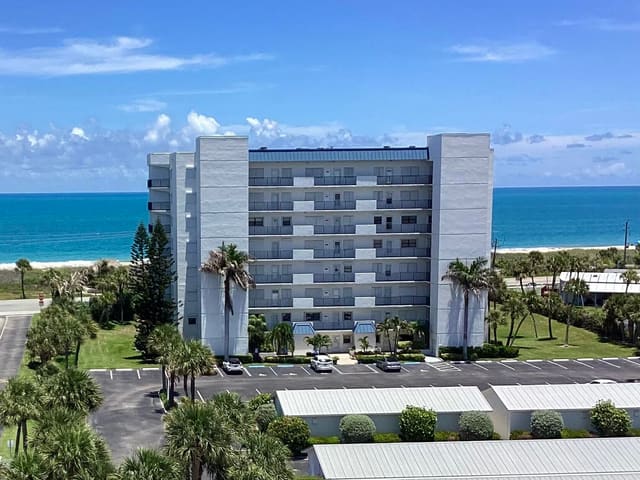
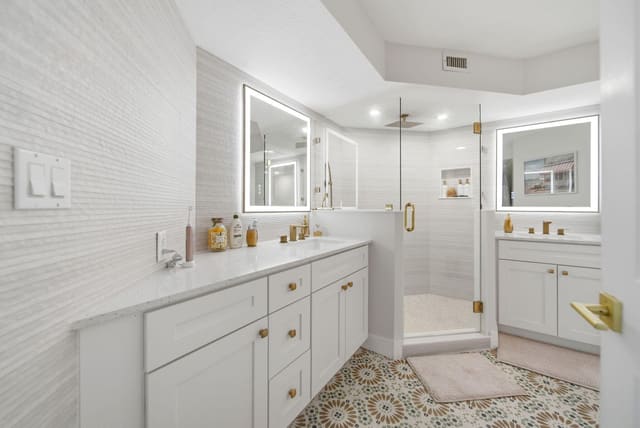
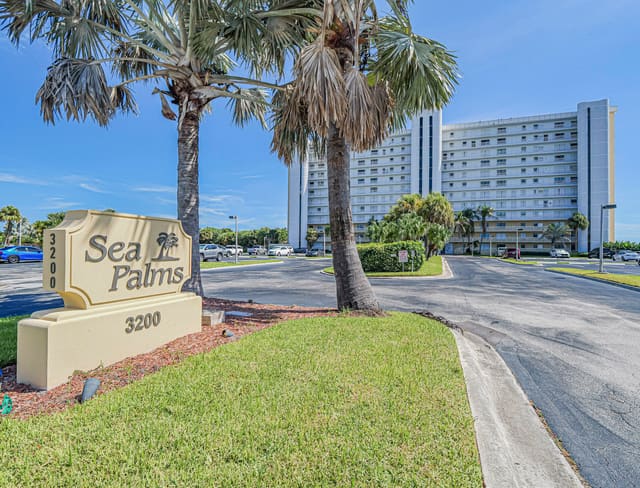
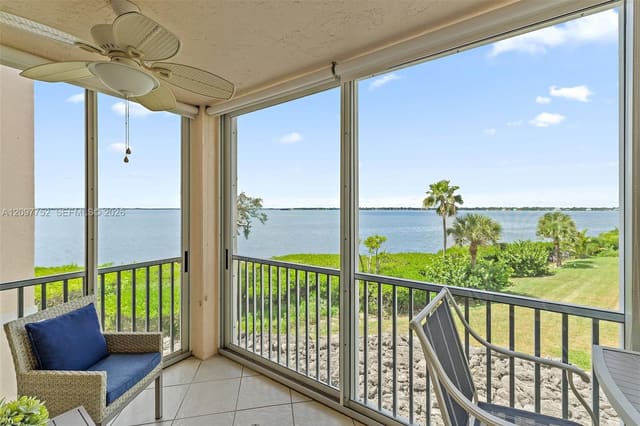
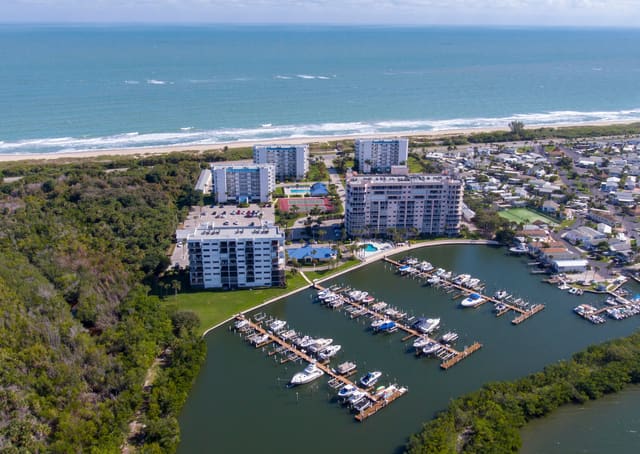
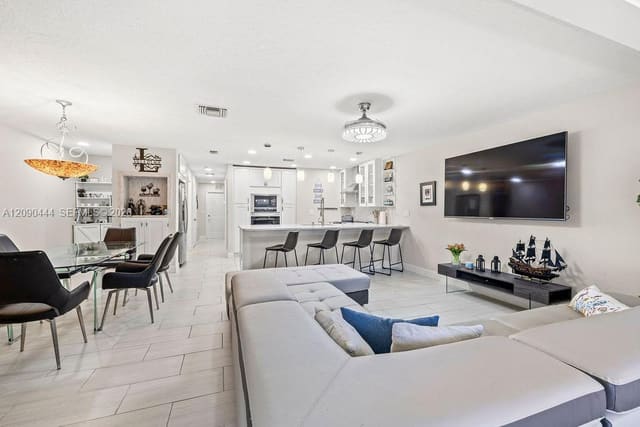
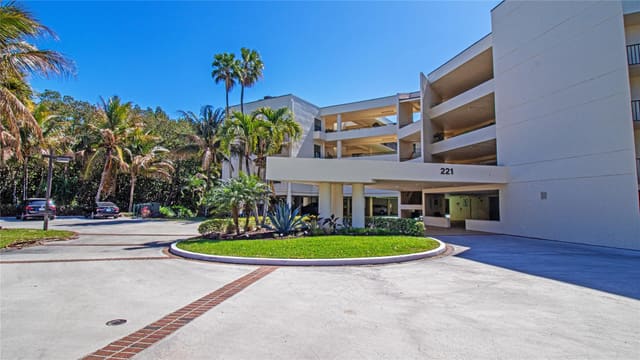
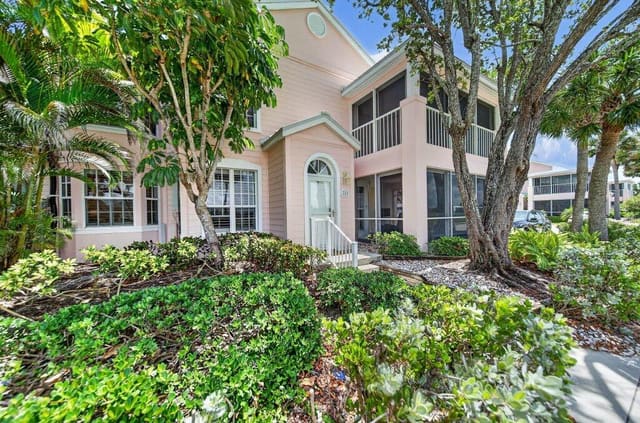
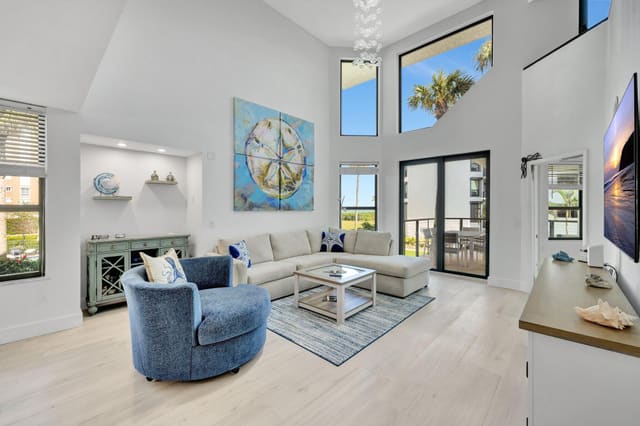
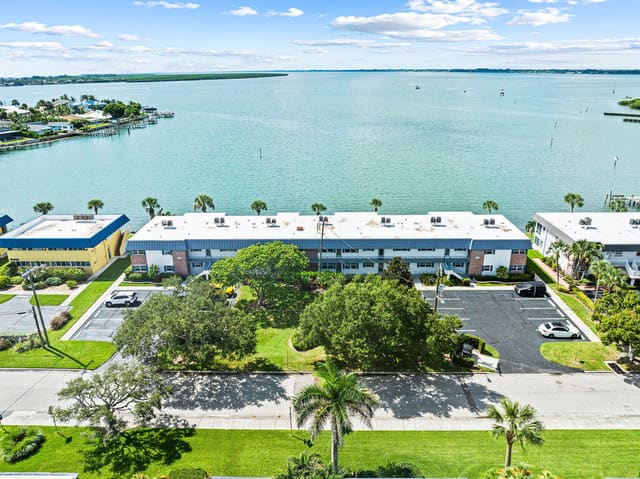
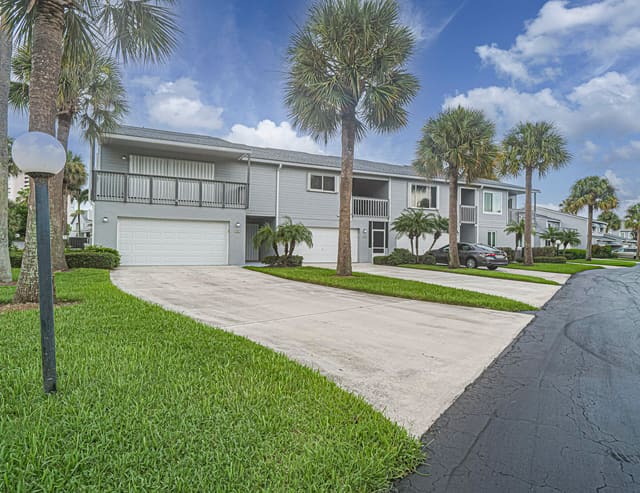
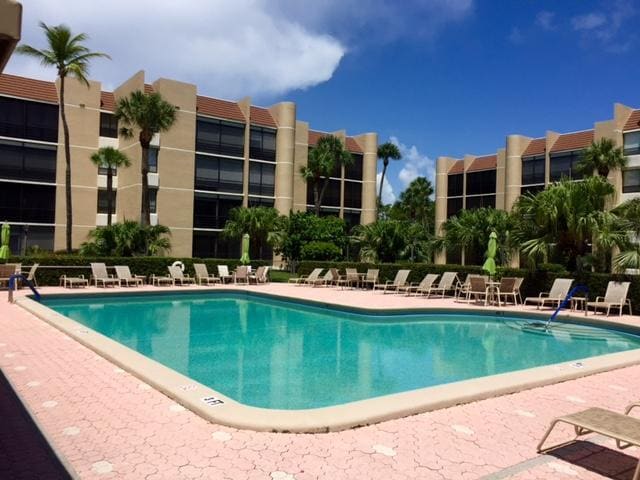
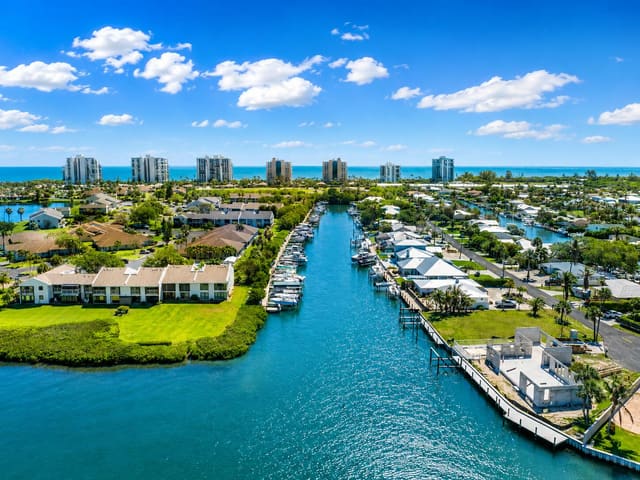
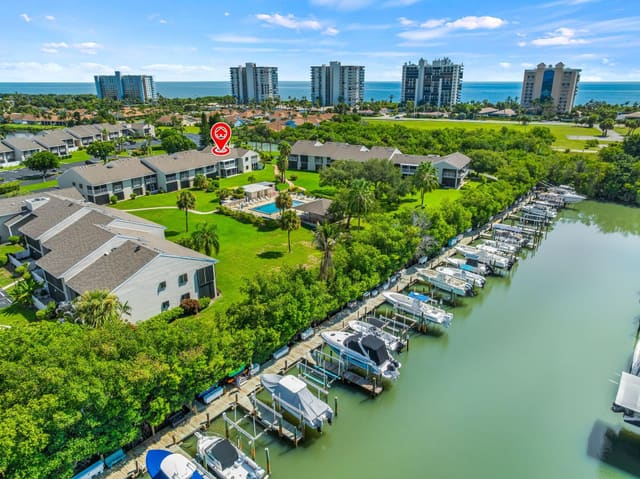
What Hutchinson Island condos cost
The median asking price across Hutchinson Island condo listings is $480,000.
Prices run from $209,000 to $2,100,000, a wide spread covering several distinct kinds of building.
Units on the market cover 792 to 3,054 square feet.
Bedroom counts run from 1 to 3.
How this compares with the rest of Hutchinson Island
Condos ask roughly 19% less than Hutchinson Island as a whole, $480,000 against $595,000. That is usually about the kind of housing rather than the location, and the monthly cost of ownership often narrows the gap that the purchase price suggests.
They are also the dominant form of housing on the market here, about 70% of everything listed, so this is the Hutchinson Island market rather than a slice of it.
The building matters more than the unit
Buying a condo means buying a share of a building, and since Florida tightened its structural inspection and reserve requirements, that share has become the larger part of the decision.
Reserve funding tells you whether the next major repair is already paid for or still coming. A building that kept fees low by deferring is a building with a bill in its future, and buyers now price that.
Monthly maintenance is the quiet variable. A high fee reduces what a buyer can borrow, so two Hutchinson Island units at the same asking price with different fees are not competing on equal terms.
Lender approval status decides the buyer pool. A building that has become difficult to finance loses everyone who needs a mortgage, and a smaller pool means a lower price regardless of the unit.
What to check before buying a Hutchinson Island condo
The budget and reserve schedule, which show what is funded and what is not.
The most recent structural inspection and reserve study where the building's age and height require them.
Recent board minutes, where problems usually appear months before any formal assessment does.
Any pending, proposed or recently levied special assessment, and whether the seller will pay or credit it.
Leasing rules, including minimum terms and any waiting period after purchase, since they decide whether the unit works as an investment.
The declaration on pets, alterations and approvals, each of which narrows who can buy from you later.
What the monthly figure actually covers
Condo fees are compared far too often as bare numbers. A fee that includes building insurance, water, cable, exterior maintenance and reserve contributions is not comparable to a smaller one covering landscaping and a pool, and the larger number is frequently the cheaper home to own.
The parts worth itemising are insurance, since master policies vary widely in what they cover and what the unit owner must insure separately; utilities, since some buildings include water and some include nothing; and reserve contributions, which are the difference between a fee that prevents assessments and one that postpones them.
Lenders count the fee in a buyer's monthly housing cost, which means a high fee directly reduces what someone can borrow. Two Hutchinson Island units listed at the same price with different fees are not competing for the same buyers.
When comparing buildings, work out the total monthly cost of ownership and then ask what each fee buys. The answer frequently reverses which unit looked cheaper on the listing page.
Who buys condos in Hutchinson Island
The buyer pool for a condo is shaped by the building's rules as much as by its price. Leasing restrictions remove investors. Age restrictions remove families. Pet limits remove a surprising number of people. None of these is good or bad in itself, and each one changes who can transact.
Financing shapes it further. A building that lenders will not finance loses everyone who needs a mortgage, which in most price bands is the overwhelming majority of buyers, and the remaining cash pool prices accordingly.
For a buyer this means reading the rules before falling for the unit. For a seller it means knowing which of these apply to your building, because they determine how many people can realistically make an offer and therefore what the unit is worth.
Selling a condo in Hutchinson Island
The association's paperwork is part of what you are selling. A building with completed inspections, funded reserves and no pending assessment is materially easier to sell than one without, and the difference in price can exceed anything a renovation would achieve.
Get the documents before listing rather than during a contract. Whatever they say is what a buyer's lender and attorney will see, and knowing first lets you price deliberately instead of renegotiating later.
Price against units in the same building where you can. Crossing into another building means adjusting for reserves, fees and rules, and those adjustments are larger than most sellers expect.
Frequently Asked Questions
- How many condos are for sale in Hutchinson Island?
- There are 55 condos listed in Hutchinson Island right now, and the count updates from the MLS as units come on the market and go under contract.
- How much does a condo cost in Hutchinson Island?
- The median asking price is $480,000, within a range of $209,000 to $2,100,000. Treat that as a gauge rather than a guide to any one unit, because monthly fees differ substantially between buildings and change what a given price actually costs to own.
- Are condos cheaper than houses in Hutchinson Island?
- On asking price yes, by roughly 19%: a median of $480,000 against $595,000 across the whole Hutchinson Island market. Monthly fees narrow that gap, sometimes substantially, so compare the total cost of ownership rather than the purchase price alone.
- What questions should I ask about a condo association?
- What the fee covers itemised, when it last rose and by how much, whether reserves are funded, whether any assessment is pending, what the leasing rules are, and whether there is current litigation. A seller who can answer those without checking is in a much stronger position than one who cannot.
- Do special assessments affect condo prices in Hutchinson Island?
- Yes, and usually by more than the assessment itself. Buyers subtract the known cost and then discount further for uncertainty about what else the building may need. A completed project with the bill paid is treated very differently from a pending one with an open scope.
- Can I rent out a condo I buy in Hutchinson Island?
- It depends entirely on the building. Minimum lease terms, caps on the number of rented units, and waiting periods after purchase all vary, and some buildings prohibit it. The declaration answers it, and the answer decides whether the unit works as an investment.
- What is a milestone inspection and does it affect my Hutchinson Island condo?
- It is a structural inspection Florida requires for buildings of a certain age and height, paired with a study of what the association should be holding in reserves. Where it applies, the results and the funding decisions that follow are disclosable and buyers now ask about them. A building that has completed the process and funded the outcome sells more easily than one still working through it.
- How do I compare two Hutchinson Island condos at the same price?
- Compare the total monthly cost rather than the asking price, and ask what each fee covers. One that includes insurance, water and exterior maintenance is not comparable to a smaller fee covering landscaping. Then compare reserves, because the building with funded reserves has already paid for repairs the other will assess for later.
- Are older condo buildings in Hutchinson Island harder to finance?
- They can be, though age alone is not the issue. Lenders look at reserve funding, completed inspections, the proportion of owner occupancy and any litigation. A well-maintained older building with its paperwork in order finances normally. One that deferred both the work and the saving is where financing becomes difficult, and that narrows the buyer pool to cash.
Selling in Hutchinson Island?
The building decides much of what your unit is worth
Reserve funding, a completed inspection and whether an assessment is pending move a condo price more than a renovation does. We will price yours against units in the same building where we can.
Get My Home Value