
Buy Land in Florida
Miami-Dade County
Land & Lots for Sale
Residential lots, acreage, agricultural parcels, and investment land in Miami-Dade County, Florida.
Available Land & Lots
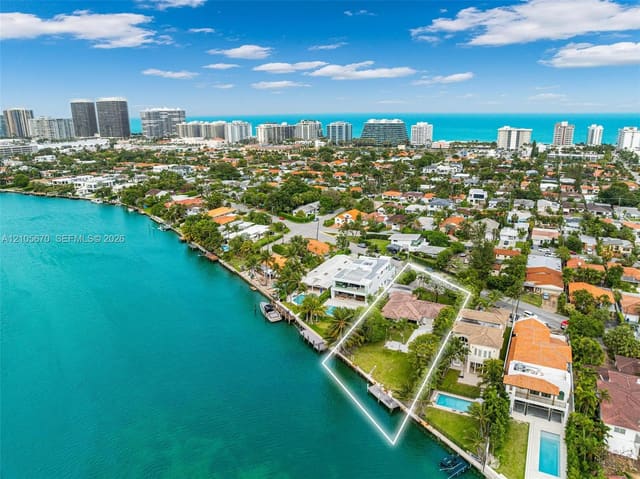
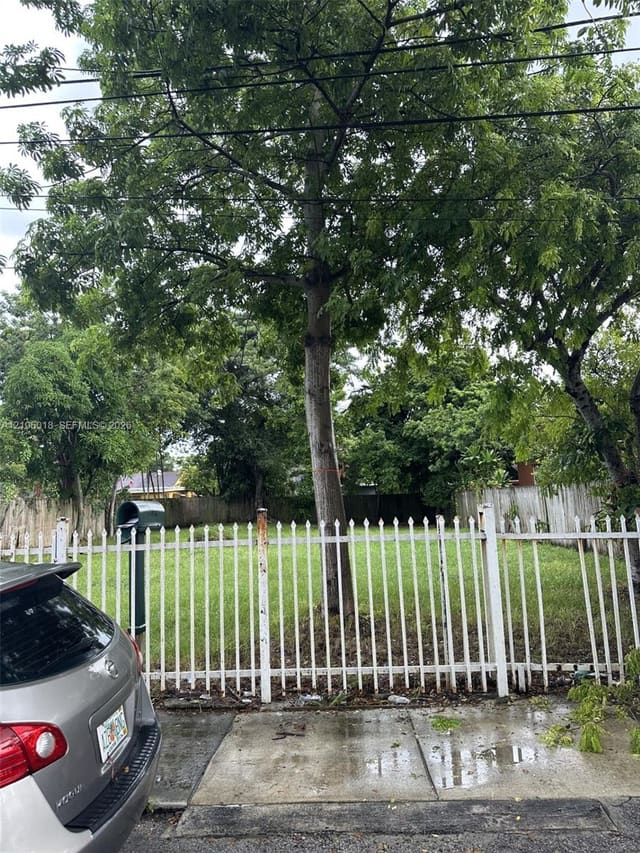
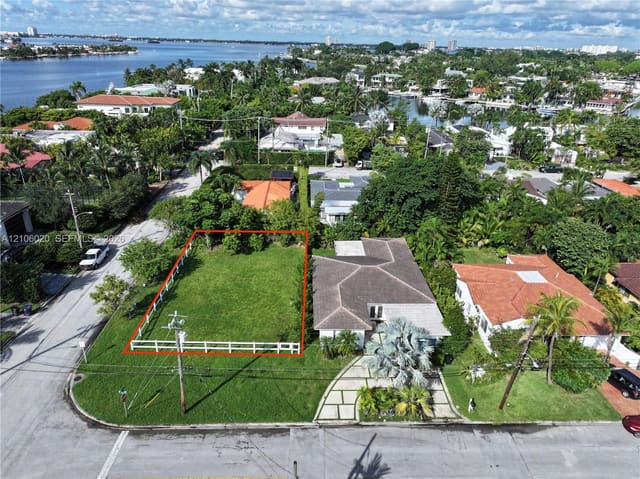
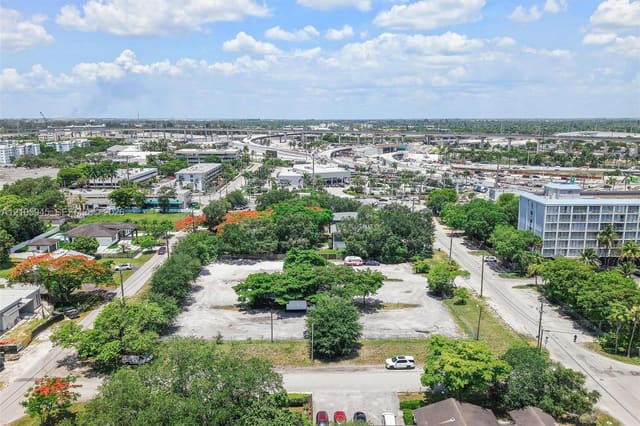
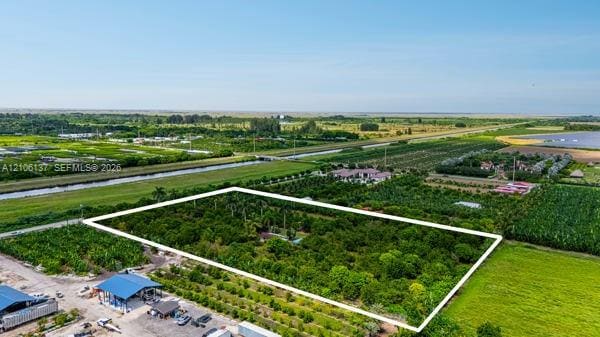
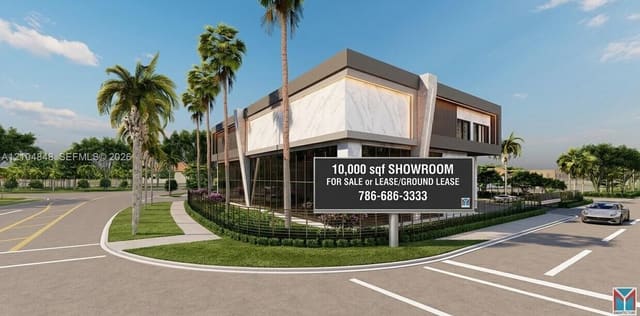
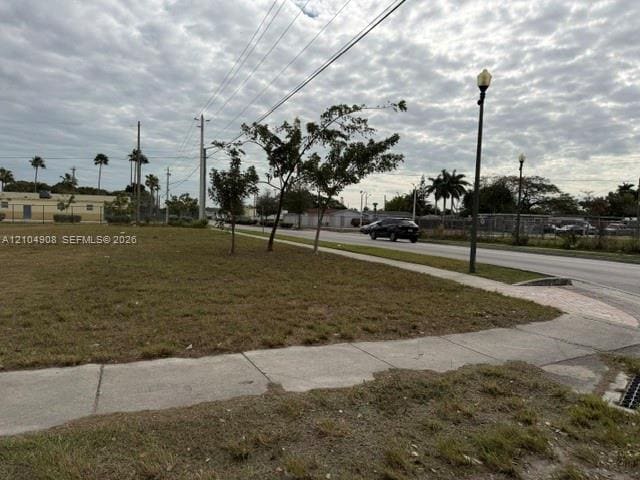
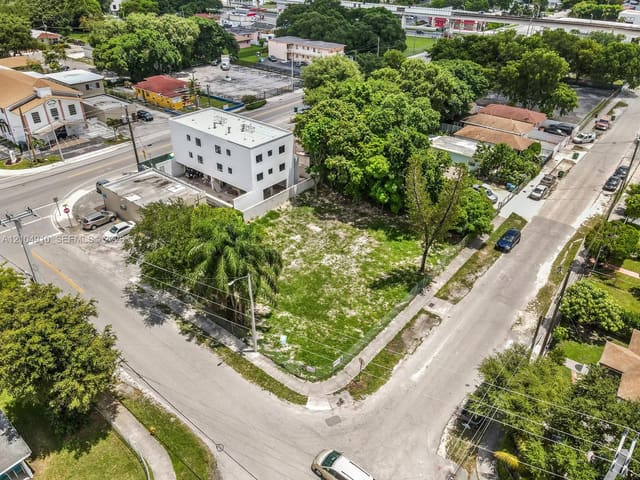
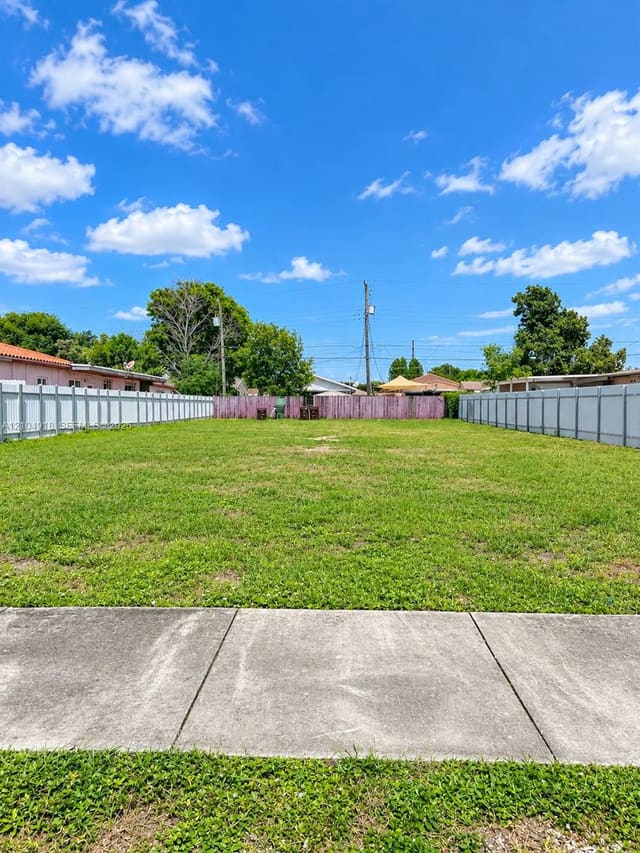
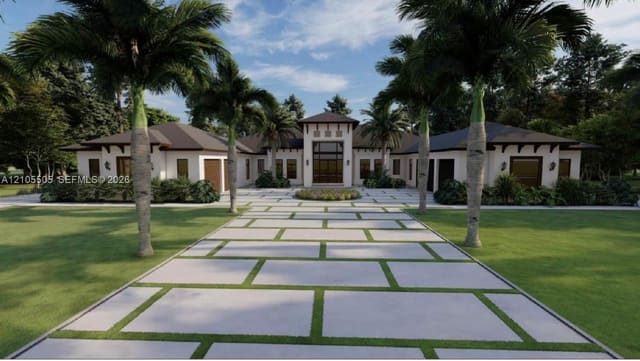
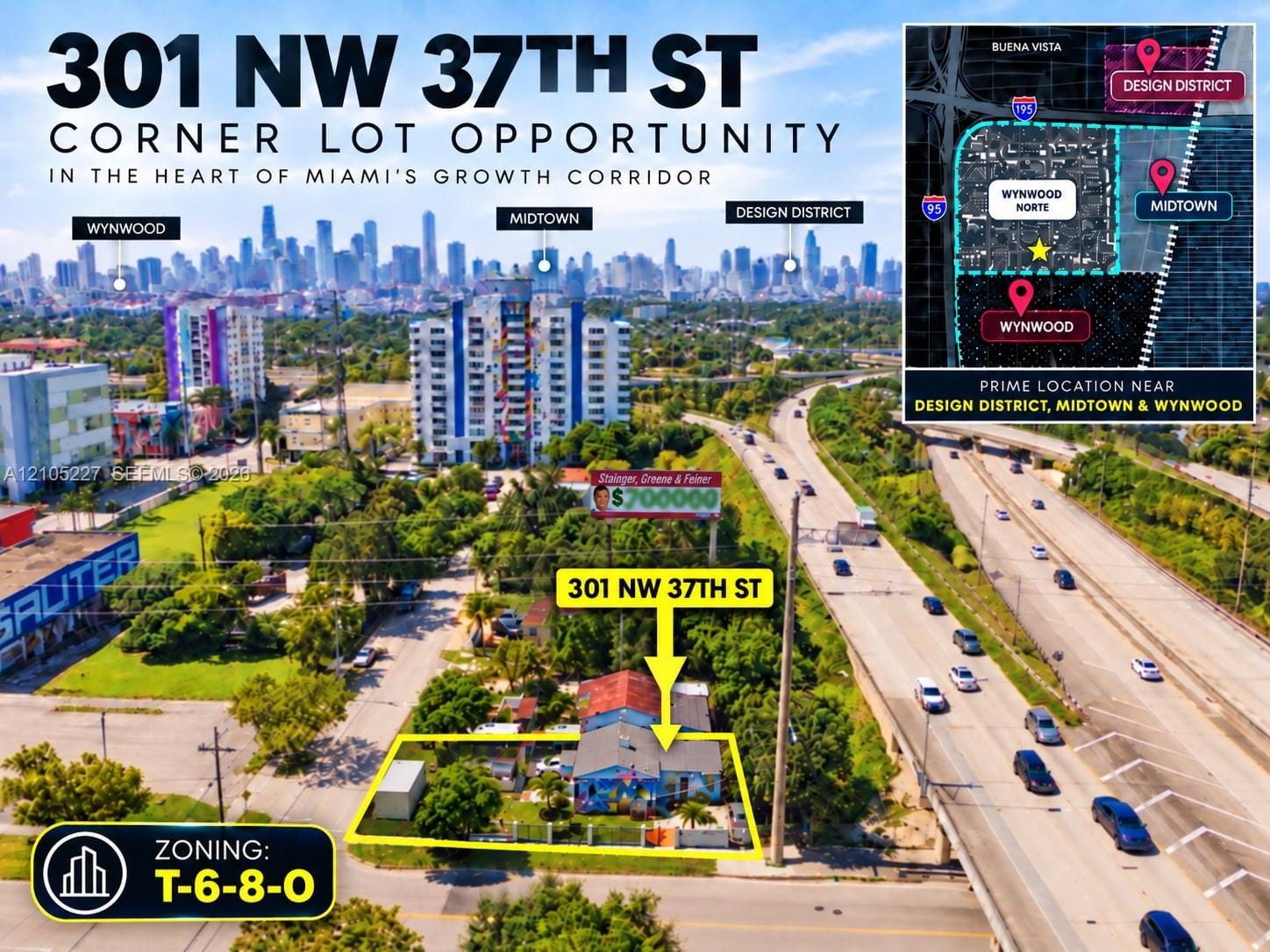
Types of Land Available in Miami-Dade County
About Miami-Dade County Land Market
Buying Land in Miami-Dade County
Miami-Dade is a global real estate market with unmatched energy, diversity, and investment appeal. From the luxury high-rises of Brickell and the Art Deco streets of South Beach to the lush neighborhoods of Coral Gables and Coconut Grove, Miami-Dade offers something for every buyer profile. International capital, year-round tourism, and a no-income-tax environment continue to drive demand across every price point.
Our land specialists can help you evaluate parcels for development potential, agricultural use, or long-term appreciation. We assist with zoning research, environmental considerations, utility availability, and comparable land sales across Miami-Dade County.
Find Land in Miami-Dade County
Tell us what you're looking for and we'll find matching parcels.
Thinking of Selling?
What is your Miami-Dade County home worth?
Online estimates miss what makes a home different. Tell us about yours and a licensed listing agent will send you a pricing opinion based on what has actually closed near you in Miami-Dade County.
Listing agents and seller representation in Miami-Dade County
Thinking about selling in Miami-Dade County? The agent you pick shapes two numbers: what your home closes for, and how long it takes. A listing agent, also called a seller's agent, prices the property against what has actually closed nearby. They also prepare and market it, screen the offers that arrive, and negotiate the terms rather than just the price.
Conditions in Miami-Dade County sit close to balanced, which rewards sellers who price against real closed sales instead of neighboring asking prices.
A county this large contains many separate markets. What is true in one city can be the opposite a few miles away. County-wide figures are therefore a starting point for a pricing conversation. They are not an answer about any specific address.
Pure Equity is a licensed Florida brokerage serving Miami-Dade County. Onias Derilus is the broker of record, Florida Real Estate Broker license BK3276618. A broker holds a higher license than an agent working under one. In practice that means the person advising you on price is also the one legally responsible for the file. That matters most when a deal gets complicated.
More on this: what a listing marketing plan should include · selling when you owe more than the house is worth
Realtors and real estate agents serving Miami-Dade County
People search for realtors, real estate agents, and real estate brokers more or less interchangeably. For most purposes the job title matters less than licensing and representation. Every licensed agent in Florida works under a broker. That broker carries final responsibility for the transaction.
What separates real estate professionals in Miami-Dade County is specificity. Can they answer questions about your street, not just your city? Ask what they have closed nearby and how they arrived at a price. A grounded answer cites particular recent sales. It also explains why those homes compare to yours. Vague reassurance is the warning sign.
More on this: what affects home value in South Florida? · home value after a renovation: what actually adds · what it costs to sell a house here
Buyer's agents in Miami-Dade County
A buyer's agent represents the purchaser rather than the owner. They identify properties that actually fit and research what comparable homes sold for, not what they asked. They also advise on offer strategy. Finally, they manage inspection and financing deadlines through to closing.
Where buyers have room to negotiate, as they do in Miami-Dade County, the leverage is only worth something if you know where it exists and what to ask for. If you are buying and selling at the same time, which is common for people moving within Miami-Dade County, sequencing the two is its own skill: contingencies, timing, and what happens if one closing slips all need planning before either home goes on the market.
What representation costs
Real estate commissions are negotiable. No law, multiple listing service, or association sets them. If an agent tells you there is a standard rate, they are misinforming you. What you pay is agreed between you and the brokerage you hire. Get it in writing before the work begins.
Industry rules changed in 2024. Now a buyer and their agent must put compensation in a written buyer agreement before touring homes together. Sellers may still offer to contribute toward the buyer's side. However, that is negotiated rather than assumed. It is worth thinking through with your listing agent before you go live.
More on this: how commission is actually structured · listing photographs, and why they decide the outcome · what Florida sellers have to disclose
Buying Instead?
Search Miami-Dade County with someone local
We will tell you which listings are worth your time, what comparable homes actually closed for, and how to structure an offer that holds up through inspection and financing.
Frequently asked questions
How do I find a listing agent in Miami-Dade County?
Ask any listing agent you interview two questions. Which homes have they closed near Miami-Dade County, and how did they arrive at their suggested price? A grounded answer names recent closed sales. It also explains why those homes compare to yours. Optimistic pricing costs sellers more than almost any other decision. Verify the license too. Florida licenses are public and searchable through the state's DBPR portal. Pure Equity is a licensed brokerage serving Miami-Dade County. You can reach the broker directly at (561) 835-5400.
What does a seller's agent actually do?
A seller's agent prices the home against comparable closed sales. Before it goes live, they advise on repairs and presentation. Then they handle photography and marketing, and put the home in front of buyers and other agents. When offers arrive, they screen them and negotiate both price and terms. Terms matter as much as the number, because inspection windows, financing contingencies, and closing dates all affect whether an offer reaches the closing table.
How much does a real estate agent cost in Miami-Dade County?
Commissions are fully negotiable. No law or real estate board sets them. What you pay is whatever you and your brokerage agree to in writing before work begins. Since the 2024 rule changes, buyers and their agents must agree compensation in a written buyer agreement before touring homes. Any seller contribution toward the buyer's side is negotiated rather than automatic. Ask any agent you interview to put their fee in writing.
What is the difference between a realtor, a real estate agent, and a broker?
A real estate agent holds a state license to represent buyers and sellers. A broker holds a higher-level license and can operate a brokerage. That broker also carries final legal responsibility for the office's transactions. Realtor is a membership term for agents belonging to the National Association of Realtors. For someone buying or selling in Miami-Dade County, three practical questions matter. Is the person licensed, who do they represent in your transaction, and what can they actually tell you about your local market?
Do I need an agent to buy a home in Miami-Dade County?
You are not legally required to use one, but most buyers in Miami-Dade County do. A buyer's agent handles the parts that are easy to get wrong. That means identifying what comparable homes actually closed for, spotting condition or association issues early, and managing inspection and financing deadlines. Even in a slower market, negotiating room is only useful if you know where it exists.
Can one agent help me sell my current home and buy the next one?
Yes. For people moving within Miami-Dade County it is often the more practical route, because one person coordinates both timelines. Sequencing is the hard part. Should your purchase be contingent on your sale? How would you cover a gap if the closings do not line up? What happens if one side is delayed? Plan all of that before either home is listed, rather than after an offer arrives.
How do I sell land in Miami-Dade County?
Selling vacant land differs from selling a house. Buyers and their lenders care about zoning, permitted use, road and utility access, and whether the parcel has been surveyed, so gathering that documentation before listing shortens the sale considerably. Land also draws a narrower buyer pool than residential property, which means pricing against genuinely comparable parcel sales matters more than it would for a home. We can tell you what similar acreage in Miami-Dade County has actually closed for.
What should I check before buying land in Miami-Dade County?
Start with zoning and permitted use, because they decide what you can legally build. Then confirm utility availability, since running power, water, or sewer to a remote parcel can cost more than the land. Check the flood zone and any wetlands designation, confirm legal road access rather than assuming a path implies a right of way, and review any easements on the title. A survey resolves most boundary questions before they become disputes.
Keep Reading
Related land searches
- Land for sale in Okeechobee County
- Land for sale in Palm Beach County
- Land for sale in St. Lucie County
- Boca Raton listing agents
- Boynton Beach listing agents
- Cooper City listing agents
- Davie listing agents
- Deerfield Beach listing agents
- Delray Beach listing agents
- Florida City listing agents