
South Florida
Owner-Financed Homes for Sale in South Florida
Homes, condos and small rental buildings whose sellers say they will consider owner financing, across Broward, Miami-Dade, Palm Beach and the Treasure Coast.
Get Listings Alerts
Be the first to know when a new owner-financed homes listing hits the market in South Florida.
Browse
Owner-Financed Homes in South Florida

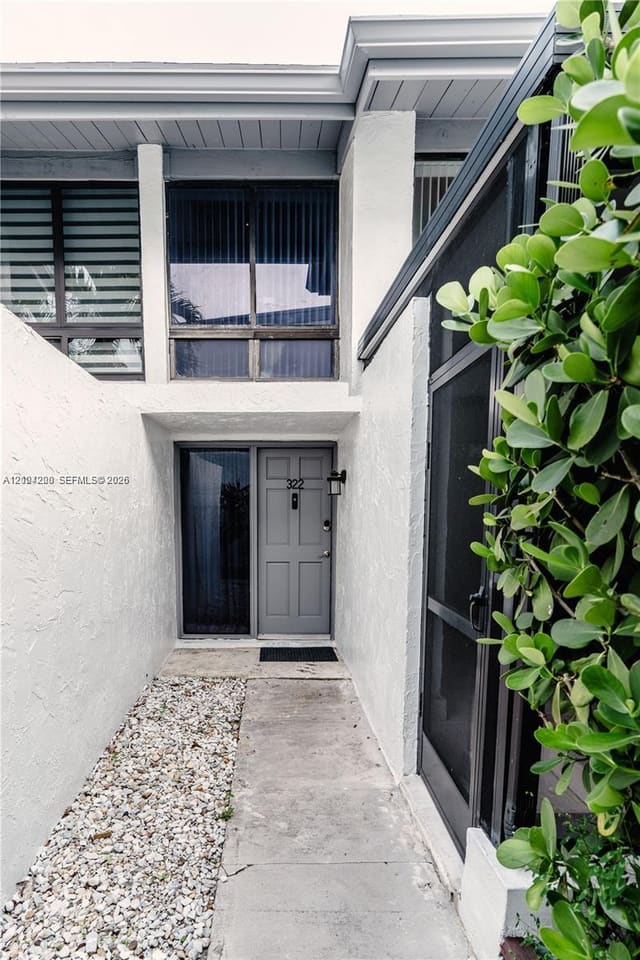
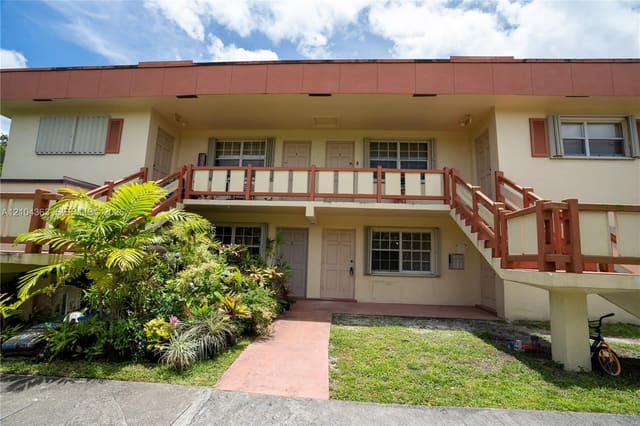

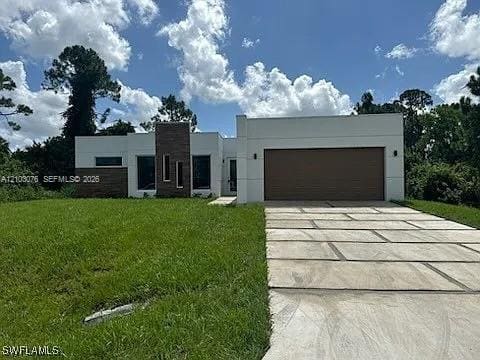
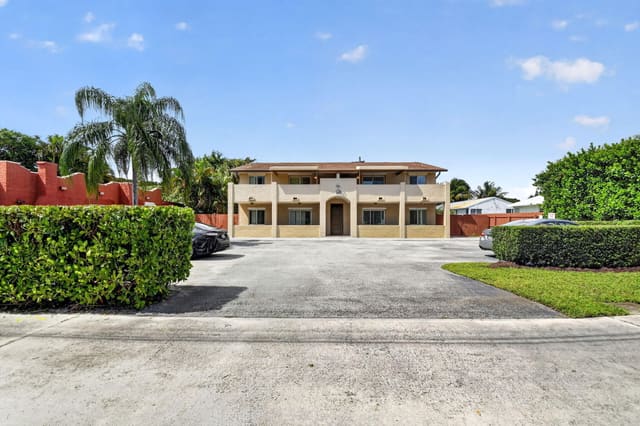
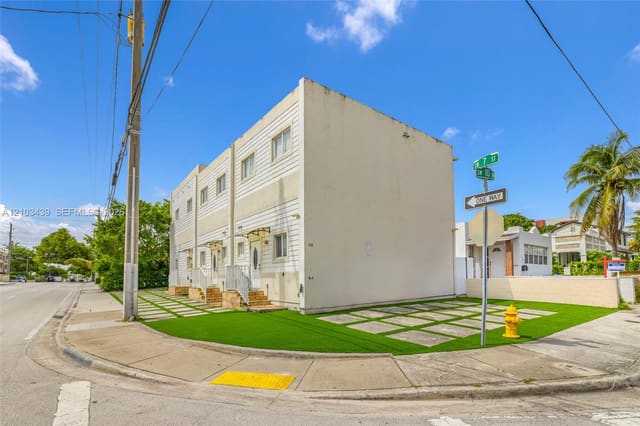
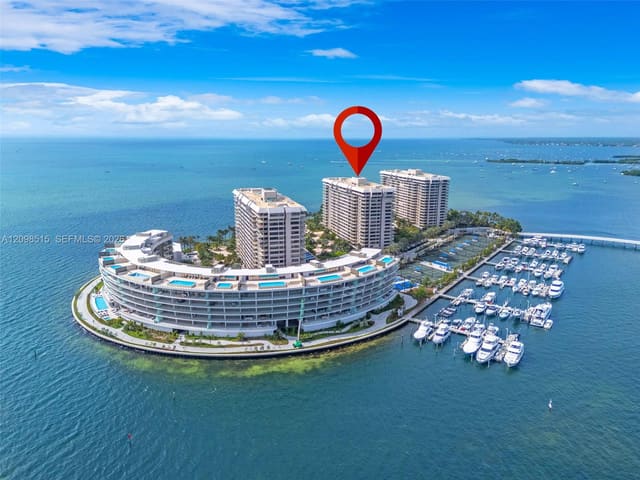
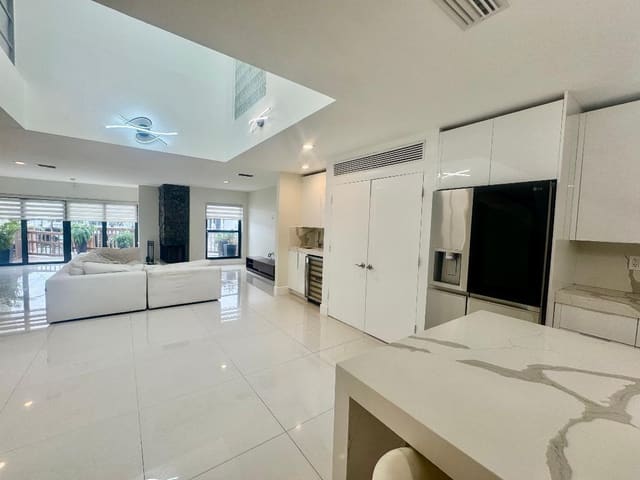
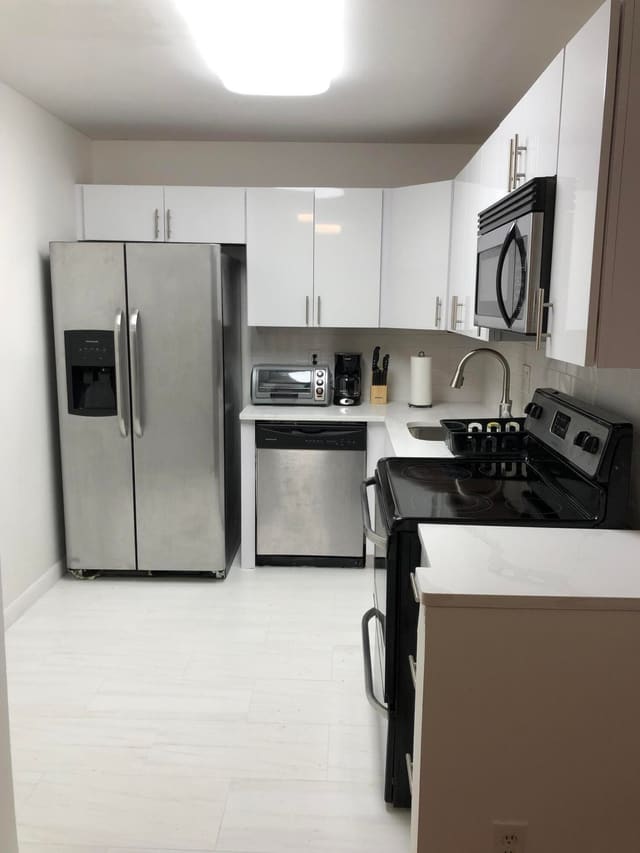
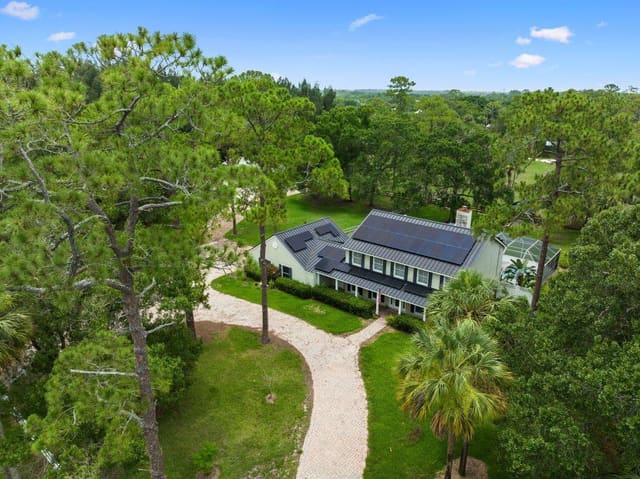
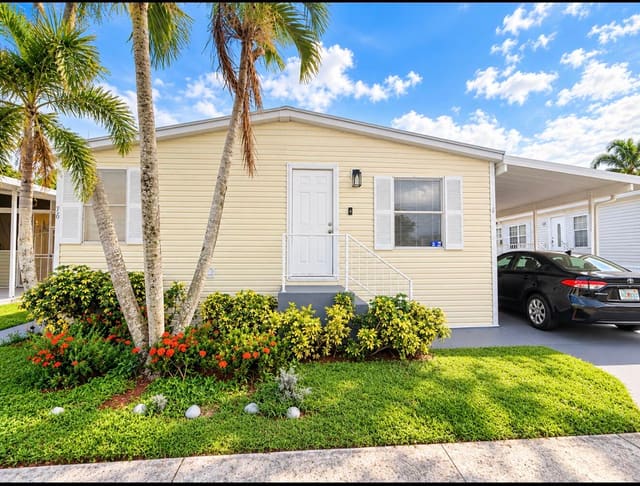
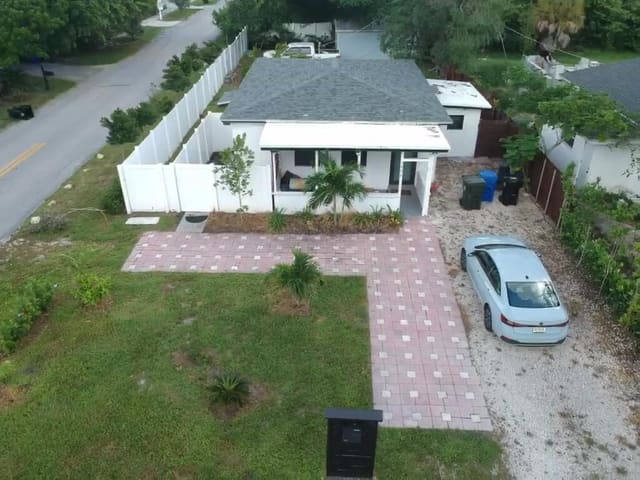
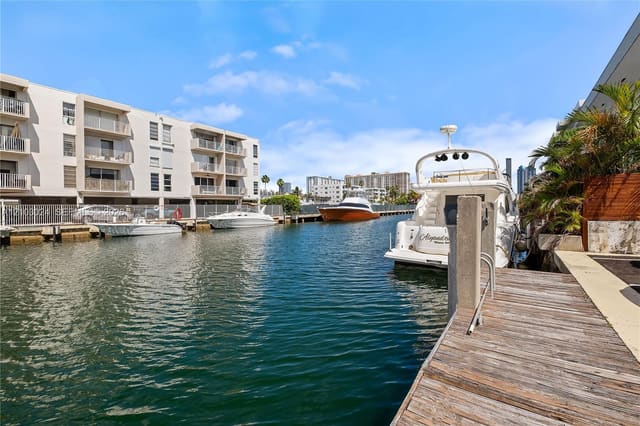

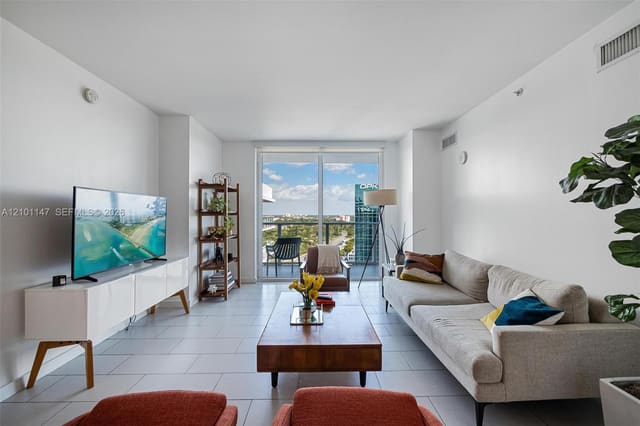
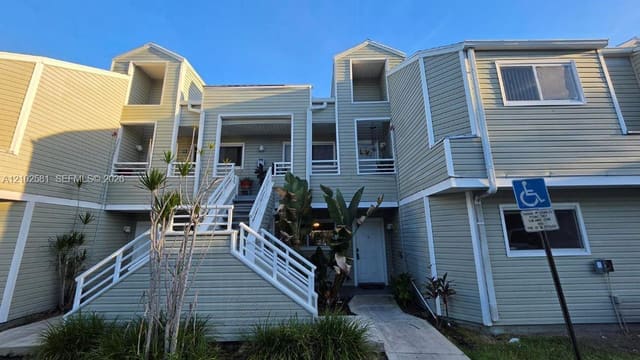
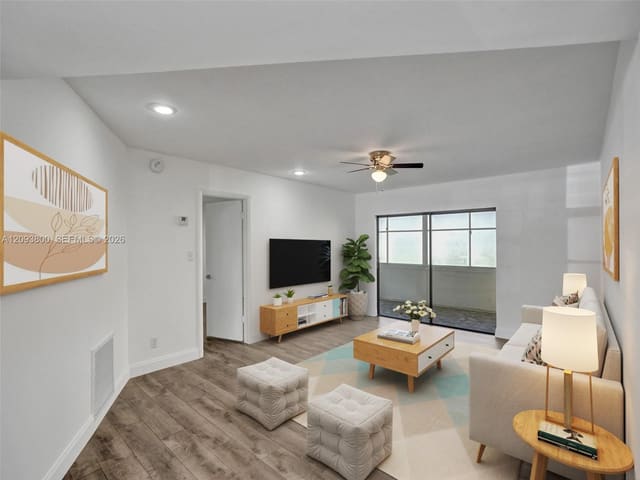
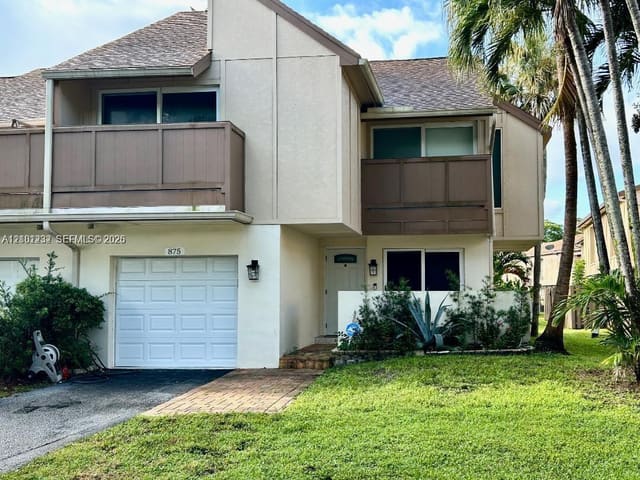
Stay Ahead of the Market
Tell us what you're looking for and we'll send matches as they hit the market.
Explore by County
Featured Communities
Owner-Financed Homes in South Florida
Should you offer owner financing to sell your home
Many people who search this topic are not buyers. They are owners deciding whether carrying the loan will help them sell faster or for a better price. It can. Offering terms widens your pool of buyers. It reaches people who have savings and steady income but do not fit a bank's boxes. Think of self-employed buyers, recent arrivals and investors who already carry several mortgages.
It also helps with property that is hard to finance the usual way. That includes an older condo in a building with lending problems, a co-op, a mobile home or a small multi-family building. When a bank will not lend on the property, the seller who will lend often sets the terms.
The money side has real appeal. Instead of one check at closing, you collect a down payment and then monthly payments with interest. For an owner who does not need all the cash now, that works like an income stream secured by a property you know well. Payments spread over several years are also taxed differently from a lump-sum sale, so talk to your CPA before you agree to anything.
The tradeoffs: steady payments versus default risk
The risk is simple to state. If the buyer stops paying, you are the lender, and your remedy is foreclosure. Florida forecloses through the courts, so getting the property back takes time and legal fees. It can also come back in worse shape than when you sold it. During that stretch you may receive nothing, and you may need to pay the taxes and insurance yourself to protect your position.
There are quieter costs too. Your equity stays tied up in the note until the buyer pays it off, which can take years. If the deal ends in a balloon, the buyer has to refinance or sell by that date. A buyer who can do neither puts you back in the default conversation. Owners who do well with seller financing usually take a large down payment, keep the term short and screen the buyer as seriously as a bank would.
If you still owe on your own mortgage, read it before you list. Most mortgages carry a due-on-sale clause that lets your lender demand full payment when you transfer the property. Selling on terms without paying off that loan can trigger it.
How to vet a buyer and paper the deal
Start with the questions a lender asks. With the buyer's written permission, pull a credit report. Verify income with tax returns or bank statements, and confirm where the down payment comes from. A bigger down payment is your best protection, because a buyer with real money in the property has a reason to keep paying. Ask for references from past landlords, and put the late fee and grace period in writing.
Then hire the right people. A Florida real estate attorney should draft the promissory note and the mortgage that secures it, and both should be recorded in the county records. Federal rules adopted under Dodd-Frank limit how many seller-financed sales an owner can make before loan-originator rules apply. Depending on your situation, a licensed loan originator may need to be involved. Your attorney can tell you which rules reach your sale.
Many sellers also hire a third-party loan servicer to collect payments, keep records and send year-end statements. Require the buyer to insure the home with you named as mortgagee. Decide up front who pays the property taxes and how you will confirm they were paid.
What buyers ask for in an owner-financed deal
Knowing what buyers will push on helps you set terms that sell. Most ask about four numbers: the down payment, the interest rate, the length of the loan and whether there is a balloon. They also ask whether they can pay the loan off early without a penalty. Expect questions about how long they have to refinance before a balloon comes due, too.
Pricing still matters. Seller financing does not fix an overpriced listing, and buyers compare your terms with what a bank would offer them. Price the home from recent sales, say in the listing which terms you will consider, and be ready to show a clean title. If you would rather take a quick cash sale than act as a lender, that is a fair choice. We can lay out both paths side by side so you can compare the net.
How owner financing works for a buyer
In an owner-financed purchase, the seller acts as the lender. You sign a promissory note, which is your promise to repay, and a mortgage that pledges the home as security. Both are recorded, and the deed passes to you at closing just as it would with a bank loan. The down payment, interest rate, term, payment schedule and any balloon are all negotiated between you and the seller.
Many seller-financed loans are short, with a balloon after a few years. The idea is that you build a payment history or fix whatever kept you from a bank loan, then refinance. Plan that exit before you sign. Talk to a lender early about what you would need to qualify later, including non-QM options for self-employed buyers.
Where owner-financed homes are listed in mid-November 2026
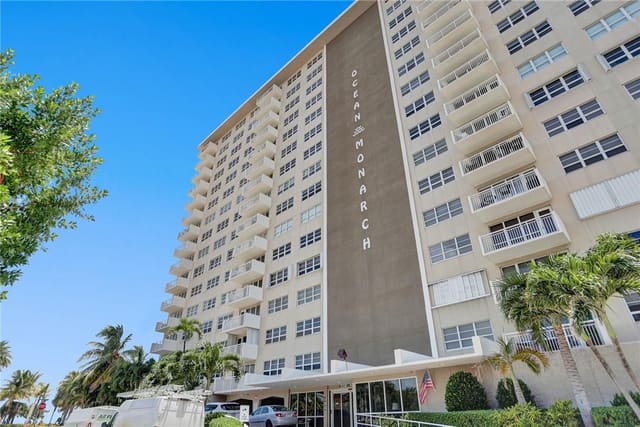
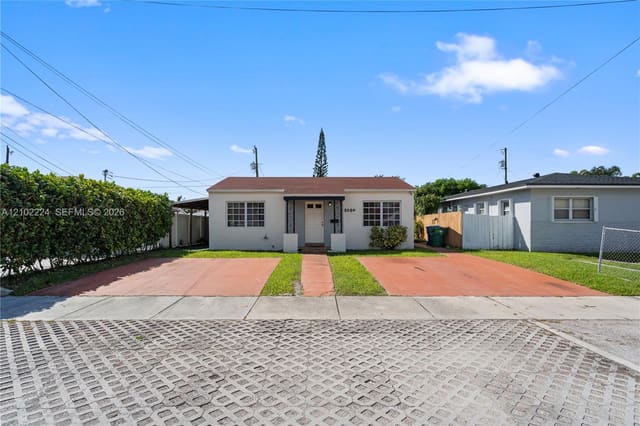
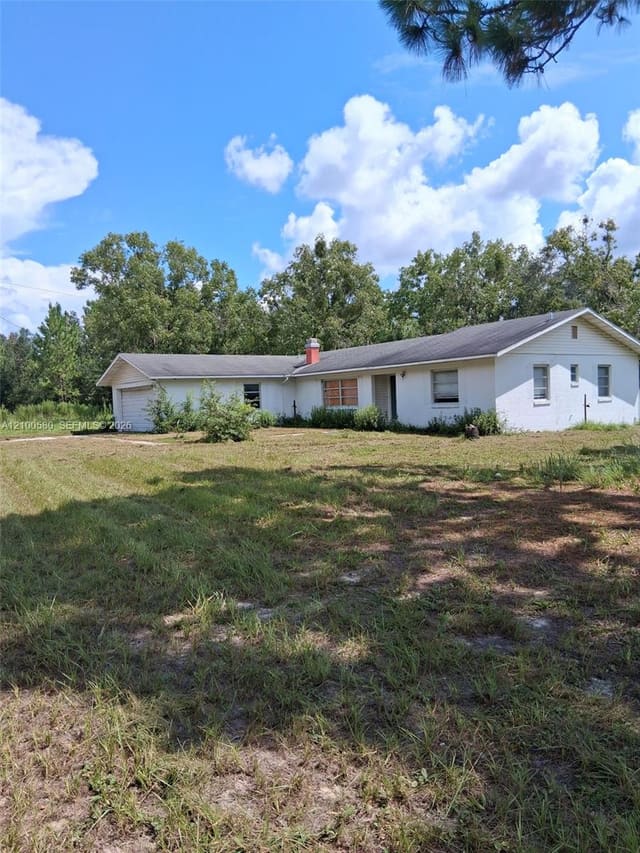
In mid-November 2026 our MLS feed showed 492 active listings offering owner or seller financing. Broward led with 180, followed by Miami-Dade with 150, Palm Beach with 68, Martin with 20 and St. Lucie with 17. By city, Miami had 63, Fort Lauderdale 31, Pompano Beach 22 and Miami Beach 20. Hollywood, Sunny Isles Beach, Hallandale Beach, Pembroke Pines, Delray Beach, Coral Springs, Homestead and Boca Raton each had between 10 and 18.
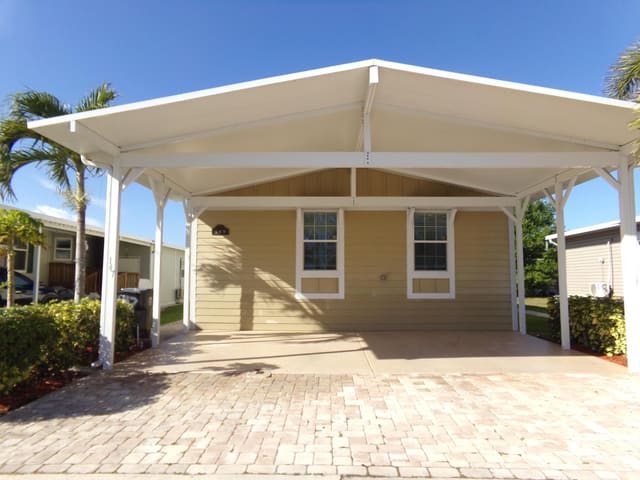
Condos made up about half the supply at 250 listings, alongside 142 single-family homes, 19 townhouses and 8 co-ops. Small income buildings showed up too, with 19 quadplexes and 17 duplexes, plus 15 mobile homes and 12 manufactured homes. The median asking price was about $405,000. Prices ran from roughly $29,000 to $23 million, and the median home was built in 1978. Listings change fast, so ask us to run a fresh search for Davie, Hialeah, Key Biscayne or any other city you have in mind.
When a listing says owner financing is available
Read the listing wording closely. Many say owner financing is available or will be considered. That means the seller is open to a conversation, not that terms are set or guaranteed. The seller may want a large down payment, a short term or a higher price in exchange. Ask your agent to find out the seller's terms before you spend money on inspections.
Also ask whether the seller owns the home free and clear. If there is still a mortgage, the due-on-sale clause in that loan can let the seller's lender call it when title transfers. Some sellers propose structures that leave their own loan in place. Those carry real risk for you as the buyer, so put them in front of a Florida real estate attorney before you agree.
Condos and co-ops add a layer. A co-op sells shares rather than real property and needs board approval of the buyer. Many condo associations screen buyers as well. Confirm the approval process before you count on the financing.
Title insurance, recording and taxes at closing
An owner-financed closing should look like any other closing. Use a title company or an attorney to search the title, clear any liens and issue title insurance. An owner's policy protects the buyer, and the seller can get a lender's policy on the mortgage. Recording the deed and the mortgage in the county records protects both sides against later claims.
Florida charges documentary stamp tax on the promissory note and intangible tax on the new mortgage, on top of the stamps on the deed. Who pays each is negotiable, so settle it in the contract. Ask for a closing statement that lists every cost before anyone signs.
Inspections, investors and owner-financed land
Owner financing changes who lends the money, not what you are buying. Get a full inspection, and on an older home look hard at the roof, plumbing and windows, since insurers ask about all three. An appraisal is optional when no bank is involved, but it tells you whether the price makes sense. Keep proof of every payment you make.
Investors use seller financing on duplexes and quadplexes, where the rent can help carry the payment. If you want acreage or a lot rather than a house, owner-financed land has its own page and its own checks.
Questions
Owner-Financed Homes: Frequently asked questions
What is an owner-financed home?
It is a home where the seller lends the buyer part of the price instead of a bank. The buyer makes a down payment, signs a promissory note and a mortgage in the seller's favor, and pays the seller over time. The deed passes to the buyer at closing, and the recorded mortgage gives the seller the right to foreclose if payments stop. The rate, term and any balloon are negotiated between the two parties.
Why would a seller offer owner financing?
Usually to reach more buyers or to sell a property banks are reluctant to lend on. Some owners also like collecting monthly payments with interest rather than one lump sum. The tradeoff is risk. If the buyer defaults, the seller has to foreclose, which costs time and money. Sellers who offer terms tend to protect themselves with a large down payment, a short loan and careful buyer screening.
Can I offer owner financing if I still have a mortgage?
Possibly, but read your loan first. Most mortgages include a due-on-sale clause that lets the lender demand the full balance when you transfer the property. Selling on terms while your own loan stays open can trigger that clause and put both you and your buyer at risk. Many sellers pay off their loan at closing with the down payment and other funds. A Florida real estate attorney can review your options before you list.
Do I need an attorney or a loan originator to sell with owner financing?
An attorney is strongly advised. A Florida real estate attorney should draft the note and mortgage and make sure they are recorded. Federal rules under Dodd-Frank limit how many seller-financed sales an owner can make before loan-originator rules apply, and some deals need a licensed loan originator involved. The details depend on how many properties you finance and how the loan is set up, so ask an attorney before you agree to terms.
Is owner financing negotiable on every listing that mentions it?
Yes, in practice. A listing that says owner financing is available or considered tells you the seller is open to it, not that terms are fixed. Expect the down payment, interest rate, term and balloon date to be part of the offer. Some sellers will only finance part of the price or only for a short period. Ask for the seller's terms in writing before you pay for an inspection or appraisal.
What taxes and closing costs apply to an owner-financed sale?
The usual closing costs still apply, including title search, title insurance and recording fees. Florida also charges documentary stamp tax on the promissory note and intangible tax on the new mortgage, in addition to the stamps on the deed. Who pays each item is negotiable and should be written into the contract. Ask the title company for a closing statement early so neither side is surprised.
What happens when a balloon payment comes due?
The buyer owes the remaining balance in one payment on the date in the note. Most buyers cover it by refinancing with a bank or by selling the home. If the buyer cannot do either, the seller can agree to extend the loan or treat it as a default. Buyers should talk to a lender well before the date, and sellers should set a balloon long enough for a realistic refinance.
Thinking of Selling?
What is your South Florida home worth?
Online estimates miss what makes a home different. Tell us about yours and a licensed listing agent will send you a pricing opinion based on what has actually closed near you in South Florida.
Listing agents and seller representation in South Florida
Thinking about selling in South Florida? The agent you pick shapes two numbers: what your home closes for, and how long it takes. A listing agent, also called a seller's agent, prices the property against what has actually closed nearby. They also prepare and market it, screen the offers that arrive, and negotiate the terms rather than just the price.
Conditions in South Florida sit close to balanced, which rewards sellers who price against real closed sales instead of neighboring asking prices.
South Florida is not one market. Coastal and inland behave differently, and so do new construction and 1970s stock. Condo sellers face an extra layer, because association finances and reserve funding affect what buyers can borrow.
Pure Equity is a licensed Florida brokerage serving all eight of the South Florida counties we cover. Onias Derilus is the broker of record, Florida Real Estate Broker license BK3276618. A broker holds a higher license than an agent working under one. In practice that means the person advising you on price is also the one legally responsible for the file. That matters most when a deal gets complicated.
More on this: what is an exclusive right of sale listing? · selling when you owe more than the house is worth
Realtors and real estate agents serving South Florida
People search for realtors, real estate agents, and real estate brokers more or less interchangeably. For most purposes the job title matters less than licensing and representation. Every licensed agent in Florida works under a broker. That broker carries final responsibility for the transaction.
What separates real estate professionals in South Florida is specificity. Can they answer questions about your street, not just your city? Ask what they have closed nearby and how they arrived at a price. A grounded answer cites particular recent sales. It also explains why those homes compare to yours. Vague reassurance is the warning sign.
More on this: home value after a renovation: what actually adds · how waterfront homes are valued · when and how to price your home
Buyer's agents in South Florida
A buyer's agent represents the purchaser rather than the owner. They identify properties that actually fit and research what comparable homes sold for, not what they asked. They also advise on offer strategy. Finally, they manage inspection and financing deadlines through to closing.
Where buyers have room to negotiate, as they do in South Florida, the leverage is only worth something if you know where it exists and what to ask for. If you are buying and selling at the same time, which is common for people moving within South Florida, sequencing the two is its own skill: contingencies, timing, and what happens if one closing slips all need planning before either home goes on the market.
What representation costs
Real estate commissions are negotiable. No law, multiple listing service, or association sets them. If an agent tells you there is a standard rate, they are misinforming you. What you pay is agreed between you and the brokerage you hire. Get it in writing before the work begins.
Industry rules changed in 2024. Now a buyer and their agent must put compensation in a written buyer agreement before touring homes together. Sellers may still offer to contribute toward the buyer's side. However, that is negotiated rather than assumed. It is worth thinking through with your listing agent before you go live.
More on this: how commission is actually structured · what you actually walk away with · seller concessions, and when to offer them
Buying Instead?
Search South Florida with someone local
We will tell you which listings are worth your time, what comparable homes actually closed for, and how to structure an offer that holds up through inspection and financing.
Frequently asked questions
How do I find a listing agent in South Florida?
Ask any listing agent you interview two questions. Which homes have they closed near South Florida, and how did they arrive at their suggested price? A grounded answer names recent closed sales. It also explains why those homes compare to yours. Optimistic pricing costs sellers more than almost any other decision. Verify the license too. Florida licenses are public and searchable through the state's DBPR portal. Pure Equity is a licensed brokerage serving South Florida. You can reach the broker directly at (561) 835-5400.
What does a seller's agent actually do?
A seller's agent prices the home against comparable closed sales. Before it goes live, they advise on repairs and presentation. Then they handle photography and marketing, and put the home in front of buyers and other agents. When offers arrive, they screen them and negotiate both price and terms. Terms matter as much as the number, because inspection windows, financing contingencies, and closing dates all affect whether an offer reaches the closing table.
How much does a real estate agent cost in South Florida?
Commissions are fully negotiable. No law or real estate board sets them. What you pay is whatever you and your brokerage agree to in writing before work begins. Since the 2024 rule changes, buyers and their agents must agree compensation in a written buyer agreement before touring homes. Any seller contribution toward the buyer's side is negotiated rather than automatic. Ask any agent you interview to put their fee in writing.
What is the difference between a realtor, a real estate agent, and a broker?
A real estate agent holds a state license to represent buyers and sellers. A broker holds a higher-level license and can operate a brokerage. That broker also carries final legal responsibility for the office's transactions. Realtor is a membership term for agents belonging to the National Association of Realtors. For someone buying or selling in South Florida, three practical questions matter. Is the person licensed, who do they represent in your transaction, and what can they actually tell you about your local market?
Do I need an agent to buy a home in South Florida?
You are not legally required to use one, but most buyers in South Florida do. A buyer's agent handles the parts that are easy to get wrong. That means identifying what comparable homes actually closed for, spotting condition or association issues early, and managing inspection and financing deadlines. Even in a slower market, negotiating room is only useful if you know where it exists.
Can one agent help me sell my current home and buy the next one?
Yes. For people moving within South Florida it is often the more practical route, because one person coordinates both timelines. Sequencing is the hard part. Should your purchase be contingent on your sale? How would you cover a gap if the closings do not line up? What happens if one side is delayed? Plan all of that before either home is listed, rather than after an offer arrives.
Keep Reading
More from Pure Equity
- Owner financing land
- Pending
- Penthouses
- Pool homes
- Preparing to sell your home
- Price reduced
- Probate real estate agent in Florida: selling an inherited house
- Probate and inherited property
- Property management
- Raw land