
Multi-Family Homes · Miami, FL
Miami Multi-Family Homes for Sale
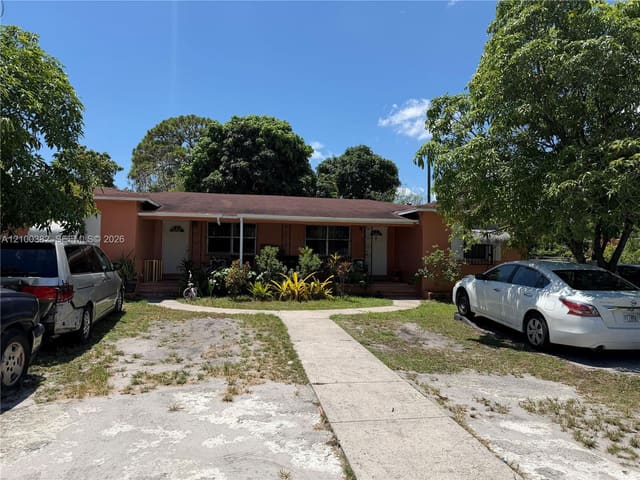
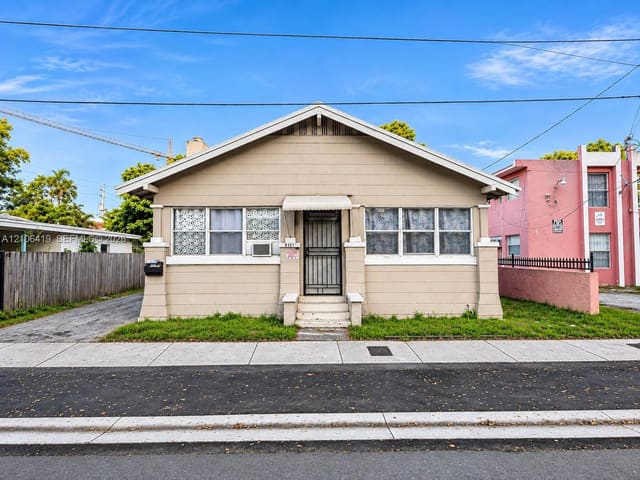
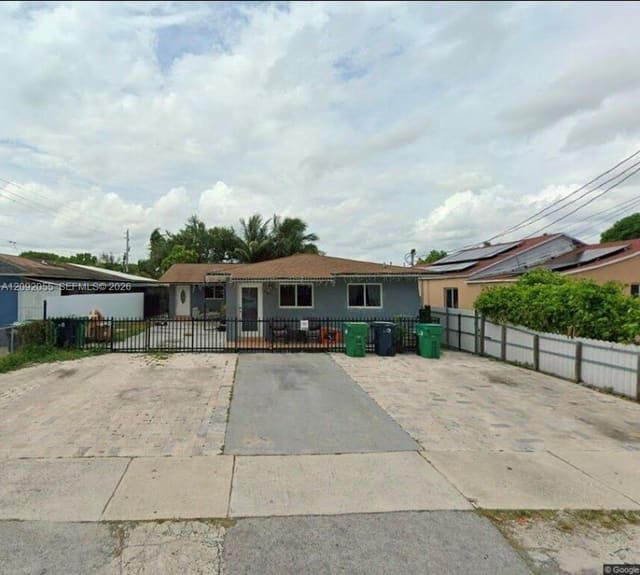
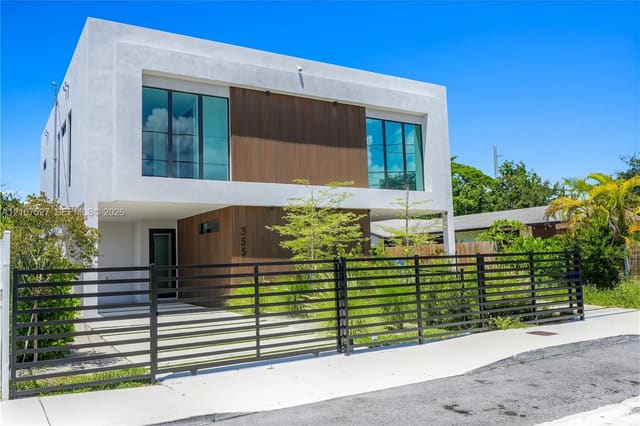
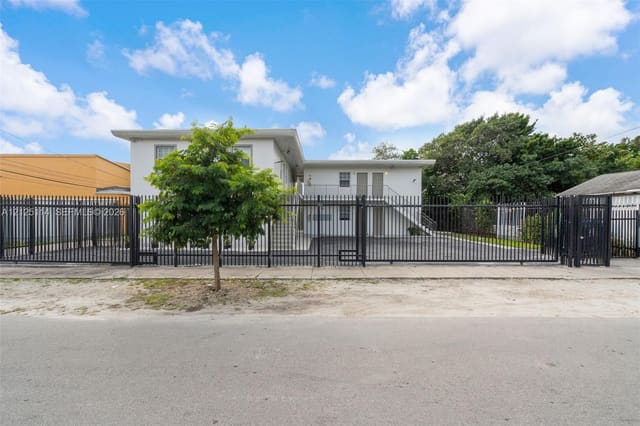
Miami multi-family homes are mostly small buildings, not apartment complexes. In mid-November 2026 the MLS showed 496 for sale in Miami: 333 duplexes, 110 quadruplexes and 53 triplexes. Asking prices ran from about $265,000 to $20 million, with a median near $962,500. The median building dates from 1954 and holds about 2,160 square feet across all of its units. So most of this stock is mid-century, often concrete block, with two modest units side by side. A duplex is the usual entry point. It suits a buyer who wants to live on one side and rent the other. Triplexes and quads cost more and bring more tenants, more meters and more paperwork. They also change how a lender reads the deal. Settle that question before you tour anything, because it decides which buildings you can actually buy.
Get Listing Alerts
Be the first to know when a new multi-family home hits the market in Miami.
Available Now
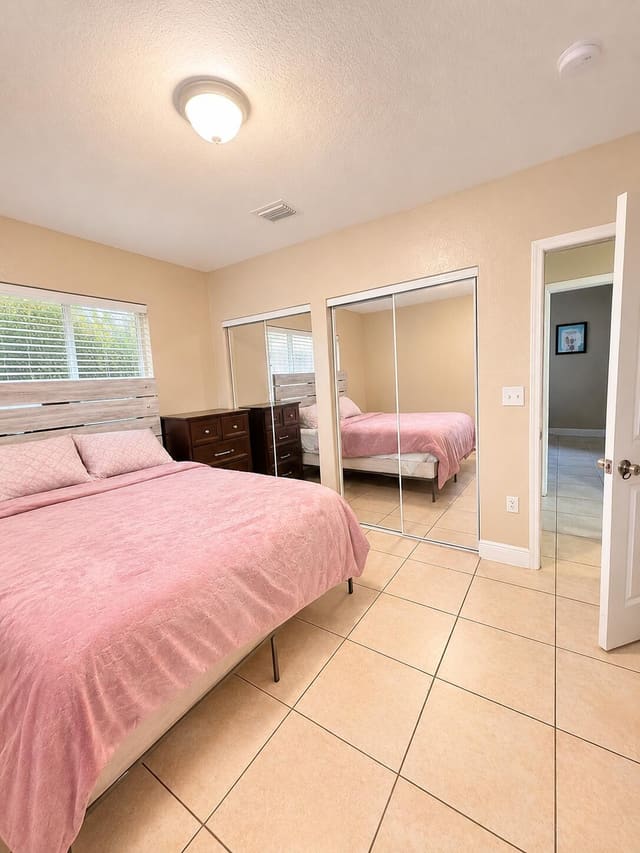
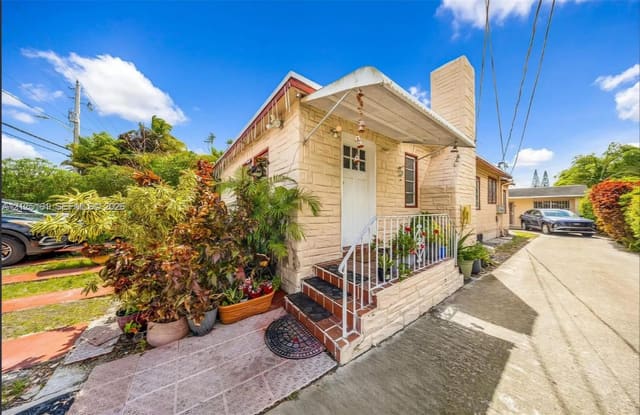
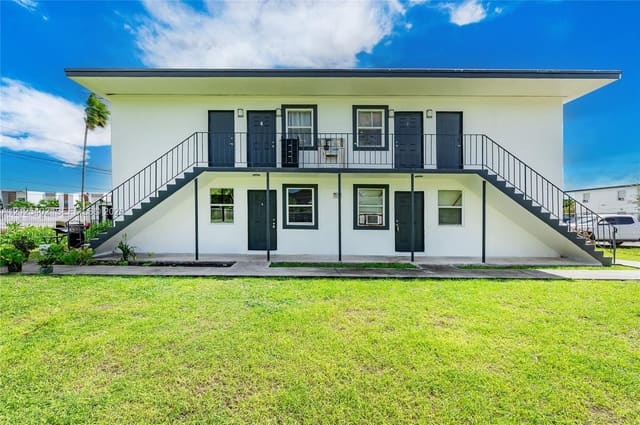
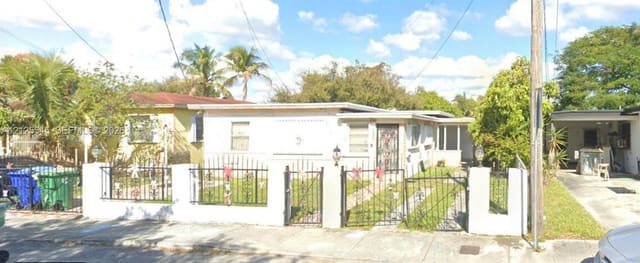
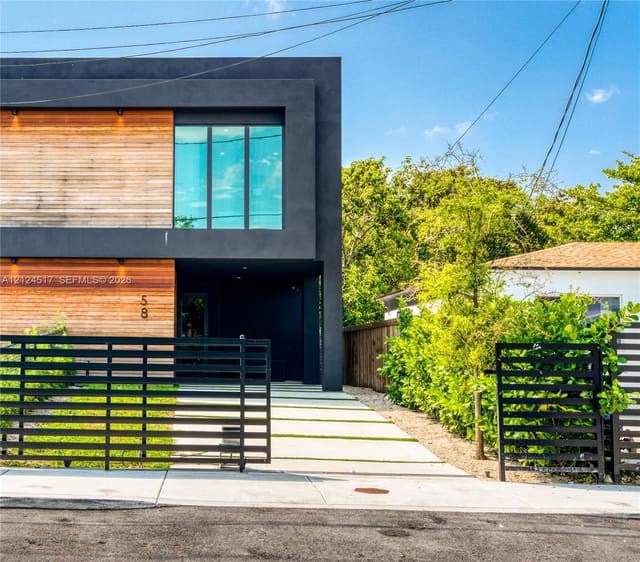
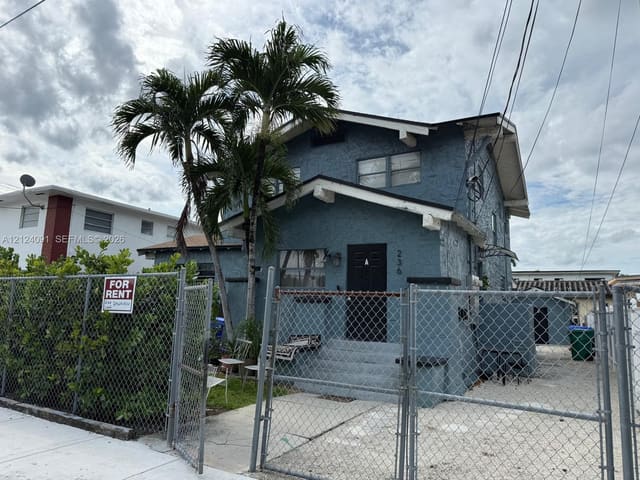
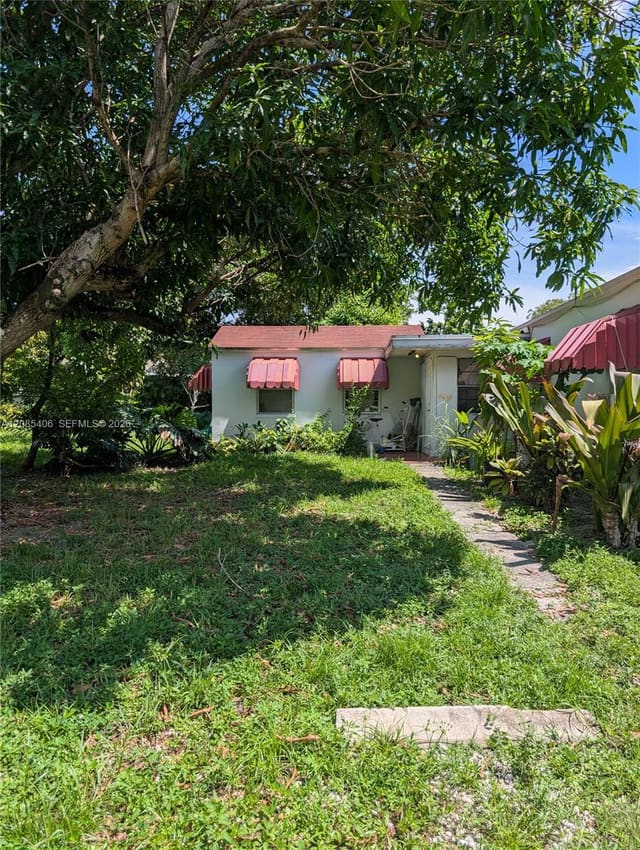
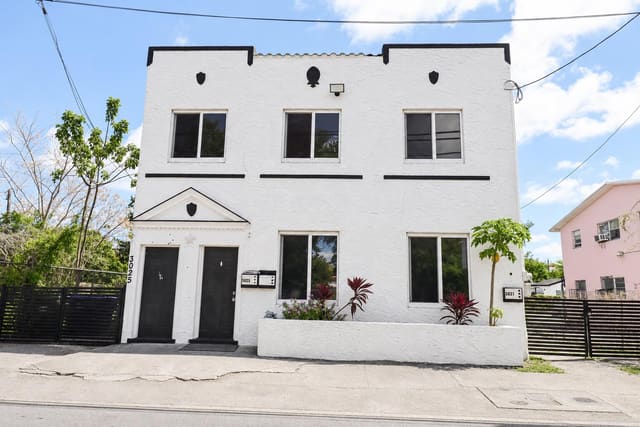
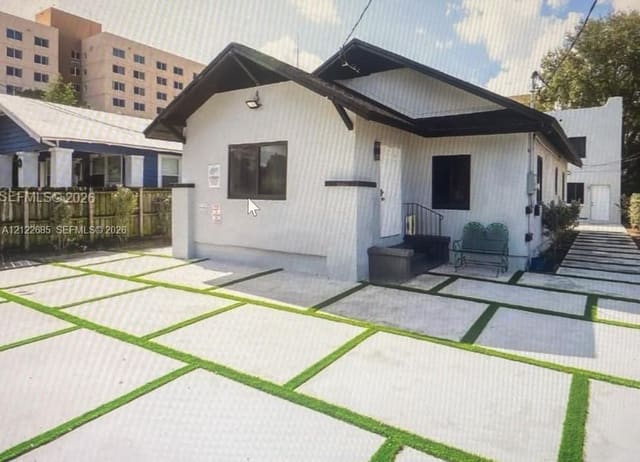
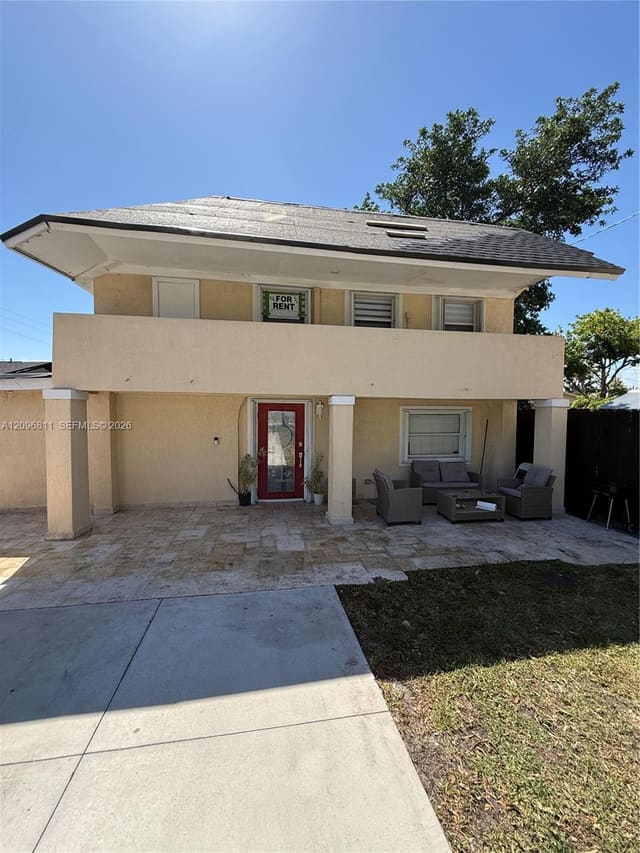
Market Snapshot
The Miami multi-family homes market
There are 496 multi-family homes for sale in Miami right now, with a median list price around $840,000 among the newest listings. Inventory updates nightly from the MLS, so the homes and stats on this page track the live market.
Among the newest multi-family homes on this page, asking prices run from $399,000 to $2,125,000, with 3 to 4 bedroom layouts represented. The current mix leans single-family, with 0 single-family homes and 0 attached residences in this sample of 18. Counts shift as homes go under contract, and the full 496-listing inventory refreshes from the MLS nightly.
Local Guide
Buying multi-family homes in Miami
Where to look
Financing splits into two paths. If you will live in one unit, an FHA loan can cover a 2 to 4 unit building with a low down payment. The rule is firm: you must occupy one of the units as your main home. On a triplex or quad, FHA also tests whether the building's rent can carry the payment, so the numbers have to work on paper. Conventional owner-occupied loans are another route for 2 to 4 units. If you will not live there, you are an investor. That usually means a conventional investment loan with a larger down payment, or a DSCR loan. A DSCR lender qualifies the deal mainly on whether the property's rent covers its debt, not on your personal income. Terms vary widely between lenders. Compare a few quotes before you write an offer, and get the approval for the exact unit count.
Diligence and ownership costs
Verify more in Miami than any listing tells you. Start with the legal unit count. A building sold as a triplex may be a permitted duplex with an added efficiency, and an unpermitted unit can cost you its rent and bring a code case. Check the permit history and the zoning. Inside city limits that means Miami 21, the city's zoning code. Some listings with Miami addresses sit in unincorporated Miami-Dade, which has its own rules, so confirm the jurisdiction on the tax bill. On a 1950s building, look hard at the roof, the electrical panel and the drain lines. Ask whether each unit has its own electric meter. Then get an insurance quote and check the flood zone early. Both depend on the exact location and age of the building, and both can change what you can afford.
Value, timing, and the bottom line
The listings are spread across very different parts of the city. Little River Gardens, Biscayne Shores, Grapeland, 7th Avenue Highlands, Brickell Riverview and the old Lawrence Estate Land Company plat all had buildings for sale. If you own one of these buildings and plan to sell, prepare before you list. Buyers who search for residential income properties for sale Miami will ask for a rent roll on day one. Have it ready, along with a copy of every lease, a ledger of security deposits and twelve months of expenses. Pull your permit history and close any open permits. A clean file lets an investor's lender move quickly, and it keeps an FHA buyer's appraisal from stalling. Price the building against recent sales of similar buildings, not against single-family houses nearby. A listing agent who sells small income buildings can pull those comparisons for you.
Frequently Asked Questions
- How much do miami multi-family homes cost?
- In mid-November 2026, asking prices ran from about $265,000 to $20 million across 496 listings, with a median near $962,500. The low end is mostly older duplexes that need work. The top end includes larger buildings and land with development potential. Price per unit tells you more than the total price, so compare a duplex with other duplexes and a quad with other quads. The live listings on this page show the current spread.
- Can I buy a Miami duplex with an FHA loan?
- Yes, if you will live in one of the units. FHA lends on 2 to 4 unit buildings with a low down payment for owner-occupants. You must move in within the time the loan allows and use the unit as your main home. The building also has to meet FHA property standards. That can be a hurdle on an older Miami duplex with deferred repairs, so inspect early and get preapproved for the exact unit count.
- What is a DSCR loan, and when does it make sense?
- A DSCR loan qualifies an investment property mainly on its rent compared with its debt payment. Your personal income matters less. It can suit buyers who already own rentals or who are self-employed. The tradeoff is usually a larger down payment and a higher rate than an owner-occupied loan. Each lender sets its own minimum ratio, so ask how it counts rent on a building with a vacant unit.
- What is the difference between a rent roll, leases and deposits?
- A rent roll is the seller's summary: unit, tenant, rent and lease dates. Leases are the signed contracts that bind you after closing. Deposits are tenant money the seller holds and must hand over at closing. All three should agree. When they do not, the signed leases control, so read every one. Ask for a tenant estoppel letter on each unit confirming the rent, the deposit and the lease terms before you close.
- How do I check that a Miami triplex is really a legal triplex?
- Pull the permit history and the zoning, then compare both with the units you saw on the tour. Inside city limits, Miami 21 sets what a lot allows. Check the property records for the recorded use as well. An added efficiency without permits can be ordered removed, and a lender may value the building as a duplex. The city's zoning staff or a land use attorney can confirm what is legal.
- Why is insurance a big question on older Miami buildings?
- Carriers price older buildings on the age and condition of the roof, wiring, plumbing and windows. On a building from the 1950s, expect a carrier to ask for a four-point inspection, and a wind mitigation report may help the premium. Flood insurance is a separate policy tied to the FEMA flood zone. Lenders require it in high-risk zones. Get real quotes during your inspection period, while you can still walk away.
- What should I prepare before selling a Miami duplex or quad?
- Start with a current rent roll, copies of all leases, a security deposit ledger and a year of expenses. Add the permit history, any open code cases, recent repair invoices, and the ages of the roof and electrical panels. Buyers and their lenders will ask for all of it. Having it ready on day one shortens the deal and supports your price. It also helps your agent price per unit against recent sales.
Keep Exploring